December 2026 promises a flurry of festive activities, corporate gatherings, and personal celebrations. Mastering the art of event planning for such a busy month requires foresight, strategy, and a meticulous approach. This comprehensive guide will show you how to plan events using a December 2026 calendar efficiently, transforming potential stress into seamless success. Whether you’re orchestrating a grand corporate gala or an intimate family reunion, understanding the nuances of year-end scheduling is your ultimate advantage.
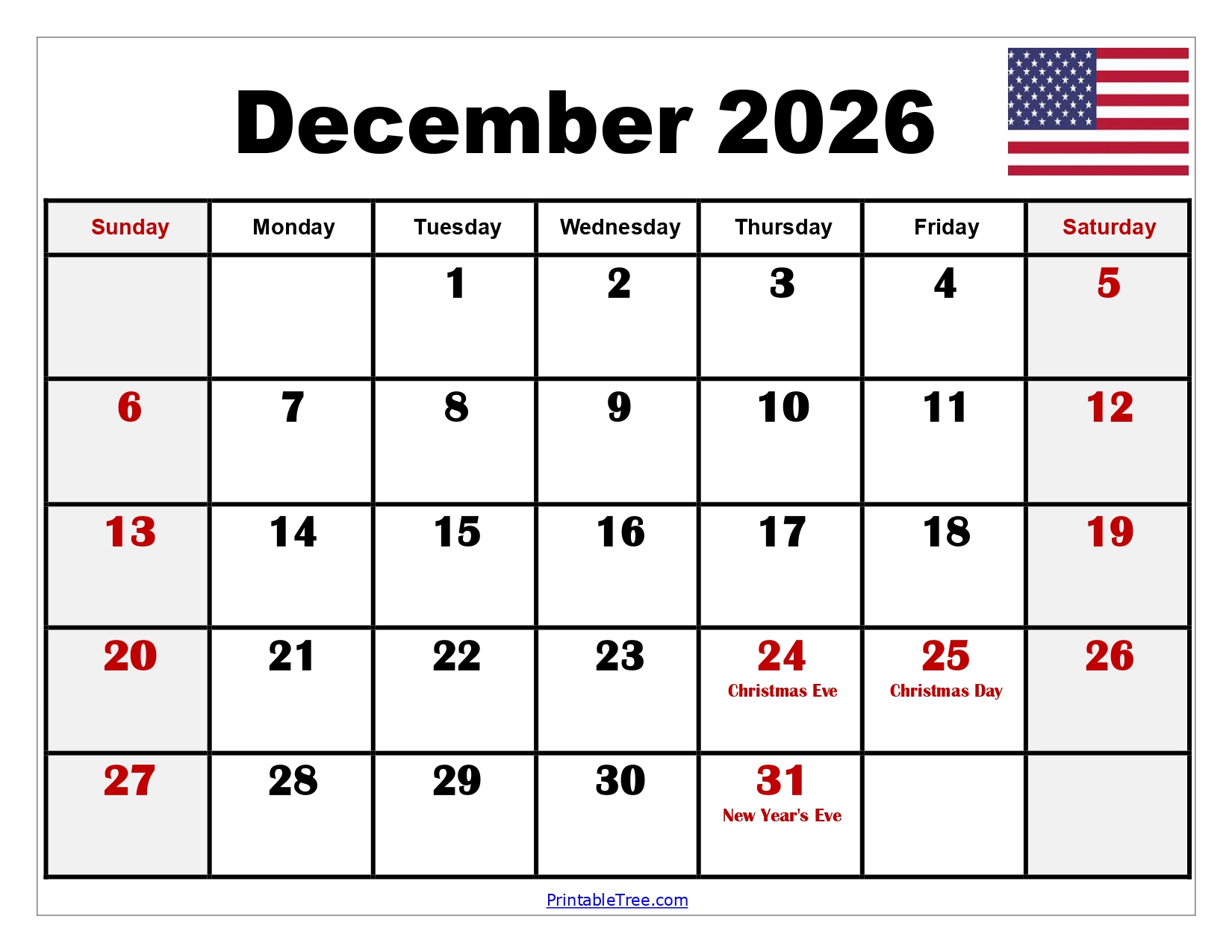
Embrace the December 2026 Event Planning Challenge
December is a month synonymous with joy, reflection, and gathering. However, for event planners, it also presents unique challenges. High demand for venues, vendors, and even guest availability makes early and precise planning absolutely critical. By leveraging a structured approach, you can navigate these complexities with confidence.
Why December 2026 is a Unique Planning Period
The holiday season from late November through January creates a concentrated window of opportunity and competition. Many organizations host year-end parties, client appreciation events, or festive celebrations. Individuals also plan family gatherings, holiday dinners, and New Year’s Eve festivities. This heightened activity means you need to act swiftly and strategically to secure your desired resources and dates.
Furthermore, budgeting for December events often requires careful consideration. Premium pricing for venues and services during peak times is common. Anticipating these cost increases and allocating funds accordingly is a hallmark of successful event budgeting.
Laying the Foundation: The Early Stages of Event Planning
Effective event management begins long before December 2026 arrives. The initial planning phases are crucial for setting the direction and securing the necessary groundwork. Think of this as your strategic blueprint.
Defining Your Event’s Purpose and Vision
Before any bookings are made, clarify the ‘why’ behind your event. What do you hope to achieve? Who is your target audience? A clear purpose will guide every subsequent decision, from theme to venue. My own experience has shown that a well-defined vision prevents scope creep and keeps the team focused.
- Identify your primary objectives: Is it fundraising, networking, celebration, or education?
- Understand your target audience: Tailor content, activities, and communication to their preferences.
- Envision the desired outcome: What feeling or message should attendees leave with?
Establishing Your Budget and Scope
A realistic budget is the backbone of any successful event. Break down potential expenses into categories and allocate funds based on priority. Remember to include a contingency fund for unexpected costs, typically 10-15% of your total budget.
My advice: always get multiple quotes for significant expenses. This competitive approach ensures you’re getting the best value. Setting a clear scope also helps prevent overspending and ensures the event remains manageable.
| Budget Category | Estimated Percentage | Key Considerations for December |
|---|---|---|
| Venue & Equipment | 20-30% | High demand, early booking essential, holiday décor packages. |
| Catering & Beverages | 25-35% | Holiday menus, dietary restrictions, staffing costs. |
| Entertainment & Speakers | 10-15% | Seasonal acts, availability during peak times, travel. |
| Marketing & Promotion | 5-10% | Digital ads, social media, printed invitations for festive touch. |
| Décor & Production | 5-10% | Themed decorations, lighting, AV equipment for festive atmosphere. |
| Staffing & Volunteers | 5-10% | Event day staff, security, holiday bonuses for volunteers. |
| Contingency | 10-15% | Crucial for December’s unpredictability. |
Assembling Your Core Planning Team
No event, especially a complex year-end celebration, can be planned alone. Build a dedicated team with clear roles and responsibilities. This could include specialists in logistics, marketing, sponsorship, and guest relations. Effective communication within this team is paramount to success.
My best advice here is to assign a single point of contact for each major area. This streamlines decision-making and avoids confusion. Regular check-ins ensure everyone is aligned and on schedule.
Harnessing the Power of Your December 2026 Calendar
Your December 2026 calendar isn’t just a grid of dates; it’s your strategic weapon. Using it effectively means more than just circling the event date. It involves meticulous backward planning and identifying potential pitfalls.
Key Milestones and Backward Planning
Start with your event date in December 2026 and work backward. What are the major deadlines you need to hit? This approach, a cornerstone of project management best practices, ensures that critical tasks are completed on time. I always find a visual timeline incredibly helpful for keeping everything on track.
- 6-9 Months Out (March-June 2026): Define purpose, budget, team. Research and secure venue. Initial vendor outreach.
- 4-6 Months Out (July-September 2026): Finalize major vendors (catering, entertainment). Develop marketing plan. Draft guest list.
- 2-4 Months Out (October-November 2026): Send out ‘Save the Dates’ or initial invitations. Launch marketing campaign. Detail event logistics.
- 1 Month Out (November 2026): Finalize menu, run-of-show. Confirm RSVPs. Final vendor meetings.
- 1-2 Weeks Out (Early December 2026): Final guest count. Confirm all deliveries and setup times. Brief staff/volunteers.
Identifying Critical Dates and Conflicts
December is packed with holidays and potential conflicts. Be aware of major public holidays like Christmas Day, Boxing Day, and New Year’s Eve. Also, consider cultural observances such as Hanukkah and Kwanzaa. These dates can impact vendor availability, pricing, and guest attendance.
When I was planning a corporate event one December, we almost overlooked a major local charity gala happening on the same night. A quick check of local event listings saved us from significantly reduced attendance. Always research local calendars.
- Check national and local public holidays.
- Research major religious observances and cultural events.
- Investigate other significant local events or conferences that might compete for guests or resources.
Utilizing Digital Calendar Tools for Collaboration
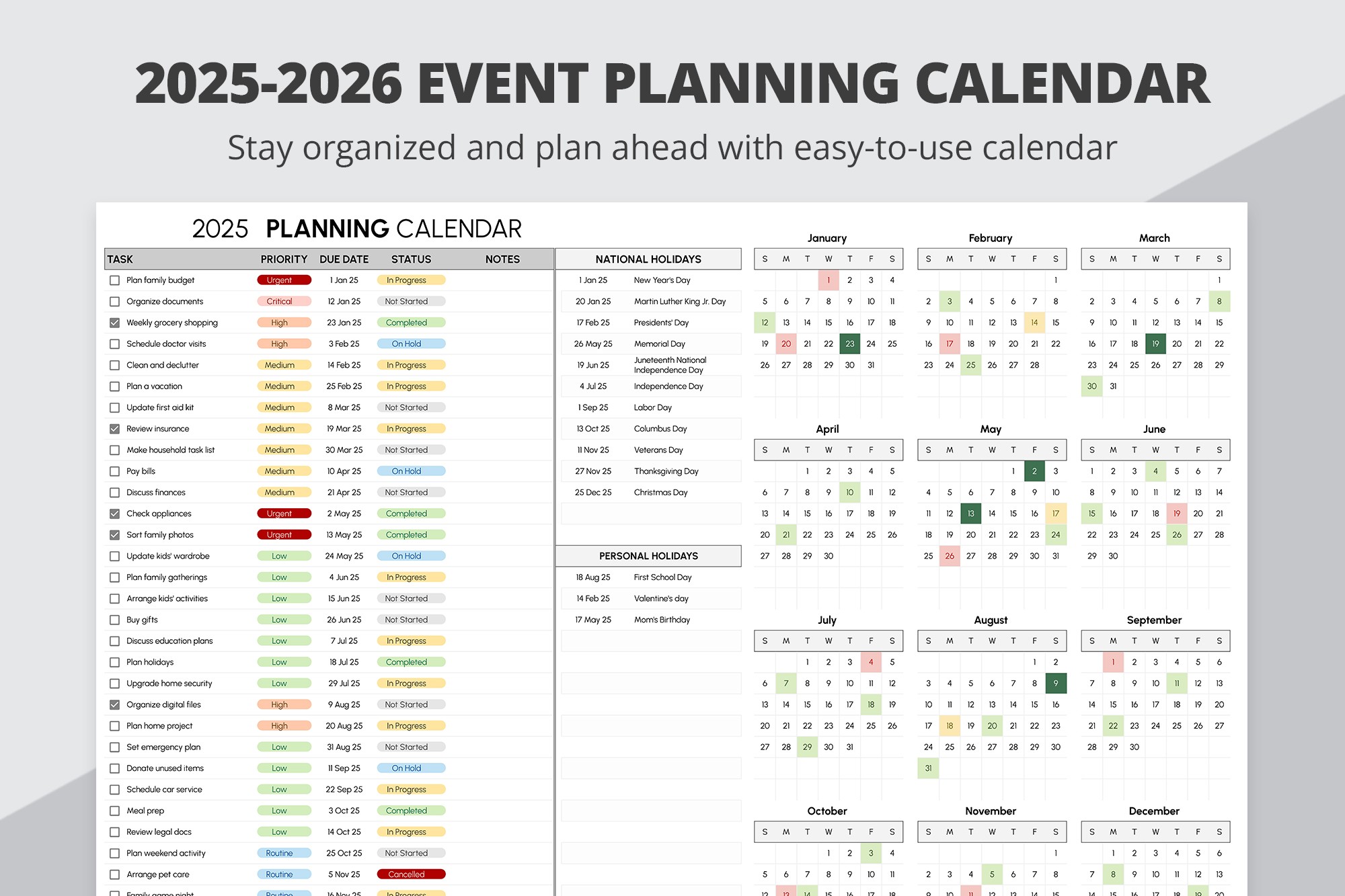
Modern event scheduling is simplified by digital tools. Platforms like Google Calendar, Microsoft Outlook, Asana, or Monday.com allow for shared calendars, task assignments, and real-time updates. This collaborative environment is invaluable for a distributed team.
I find that color-coding tasks by team member or priority provides an immediate visual overview of progress. Setting automated reminders for deadlines also helps keep everyone accountable. These tools are indispensable for strategic event planning.
Source: https://img.thegoodocs.com
The Nitty-Gritty: Vendor Management and Logistics
Once your calendar is set, the detailed work of securing services begins. This phase is about translating your vision into tangible arrangements, coordinating external partners, and managing all the moving parts. It’s where the event logistics really come into play.
Venue Selection and Booking
For December 2026, venue booking is one of the first and most critical tasks. Popular venues get booked up well in advance, sometimes a year or more out. Consider the venue’s capacity, ambiance, amenities, and its ability to accommodate your chosen theme or activities.
Always tour prospective venues in person if possible. Discuss their holiday season policies, including any mandatory decor packages or increased staffing costs. Securing a signed contract with clear terms and cancellation policies is non-negotiable.
Catering and Menu Planning
Food and beverages are often highlights of any event. For December, consider seasonal menus that incorporate festive flavors. Be diligent about collecting dietary restrictions and allergies from your guests during the RSVP process.
My personal tip: always schedule a tasting session! It’s a great way to ensure the quality meets your expectations and make any necessary adjustments. Discuss staffing, bar options, and presentation with your caterer in detail.
Entertainment and Activities
Engaging entertainment can elevate your event from good to unforgettable. Whether it’s live music, a DJ, a photo booth, or interactive games, choose options that align with your event’s purpose and audience. For holiday events, seasonal entertainment is often a big hit.
Book entertainers early, especially if you have specific acts in mind. Discuss setup requirements, performance times, and any special requests. A clear timeline for entertainment ensures a smooth flow throughout the event.
Decorations and Ambiance
Creating the right atmosphere is key to an immersive guest experience. For a December event, holiday decorations are often a given. However, ensure they complement your event’s theme rather than overpowering it.
Consider lighting, floral arrangements, signage, and special touches that reflect your brand or personal style. A well-designed space enhances the overall impact. I always create a mood board to visually articulate the desired ambiance to my décor team.
Managing Invitations and RSVPs
Your invitation strategy needs to be clear and timely. For December events, send ‘Save the Dates’ even earlier than usual due to busy schedules. Follow up with formal invitations that include all necessary details: date, time, location, dress code, and RSVP deadline.
Utilize online RSVP platforms for ease of tracking. Clearly communicate how guests can inform you of dietary needs or accessibility requirements. Timely follow-ups are essential for an accurate headcount.
Marketing, Communication, and Guest Experience
An event isn’t truly successful until people know about it and want to attend. This section focuses on spreading the word effectively and ensuring your attendees have a fantastic experience from start to finish. This is where your event promotion and communication strategies shine.
Crafting Your Event’s Promotional Strategy
Develop a multi-channel marketing strategy to reach your target audience. This could include social media campaigns, email newsletters, local print ads, or partnerships with relevant organizations. Tailor your message to highlight what makes your December 2026 event unique.
For corporate events, emphasize networking opportunities or year-end achievements. For social gatherings, focus on the festive atmosphere and unique entertainment. Consistent branding across all platforms reinforces your event’s identity.
Clear Communication with Attendees
Beyond the invitation, maintain regular communication with your guests. Send reminder emails closer to the date, including any important pre-event information like parking details, accessibility notes, or a link to a frequently asked questions page. Clear communication reduces stress for both you and your attendees.
My advice is to preemptively answer common questions. A well-structured email outlining the schedule, what to expect, and contact information for inquiries can significantly improve the guest experience. Transparency builds trust.
Enhancing the Guest Journey
Think about the entire guest journey, from their arrival to their departure. How can you make each touchpoint memorable and smooth? This includes clear signage, a welcoming registration process, comfortable seating, and readily available assistance.
Small personal touches can make a huge difference. Consider welcome drinks, small favors, or interactive elements that encourage engagement. The goal is to create an experience that resonates long after the event concludes.
Day-Of Execution and Post-Event Follow-Up
The big day has arrived! This phase is all about executing your meticulously laid plans, managing any unexpected issues, and ensuring a strong close to your event. A detailed event checklist is your best friend here.
The Pre-Event Checklist: Final Confirmations
In the days leading up to your event, run through a comprehensive checklist. Confirm all vendor arrivals and setup times. Brief your entire team on their roles, the schedule, and contingency plans. Test all AV equipment and lighting.

Source: https://static.wixstatic.com
Confirm the final guest count with catering and ensure all special requests have been accommodated. Having a printed copy of all vendor contracts and emergency contacts readily available is a smart move. Trust me, these final checks are non-negotiable.
On-Site Management and Problem Solving
On event day, your role shifts from planner to conductor. Be present, visible, and proactive. Regularly check in with vendors, staff, and key attendees. Expect the unexpected – things rarely go 100% according to plan. Your ability to calmly and effectively problem-solve in real-time is crucial.
Empower your team to make minor decisions on the spot. This allows you to focus on the bigger picture and address critical issues. A good event manager is always a few steps ahead, anticipating potential bottlenecks.
Post-Event Evaluation and Appreciation
The event isn’t over until the follow-up is complete. Send thank-you notes to your team, vendors, sponsors, and attendees. Collecting feedback through surveys can provide invaluable insights for future events. This continuous improvement mindset is key to long-term success in event planning.
Conduct a debrief with your core team to discuss what went well and what could be improved. Analyze your budget against actual expenses. These steps not only foster goodwill but also refine your processes for your next successful endeavor.
Conclusion: Your Successful December 2026 Event Awaits
Planning an event, especially during the bustling December month, requires dedication, precision, and a proactive mindset. By following a structured approach, utilizing your December 2026 calendar as your guiding tool, and embracing the challenge with creativity, you are well-equipped for success. From defining your vision to executing on the day and following up afterward, every step is an opportunity to craft a memorable experience. You now have the strategies and insights to confidently plan events using a December 2026 calendar, ensuring your gatherings are not just organized, but truly extraordinary. Go forth and create something wonderful!
Frequently Asked Questions
Why is planning for December 2026 events particularly challenging?
December presents unique challenges due to high demand for venues and vendors during the holiday season, increased costs, and potential conflicts with other personal or professional holiday commitments. Early planning is essential to secure resources and ensure good attendance.
What are the most critical first steps when planning an event for December 2026?
The most critical first steps involve defining your event’s clear purpose and vision, establishing a realistic budget and scope, and assembling a core planning team. These foundational elements guide all subsequent decisions and prevent costly changes later on.

How far in advance should I start booking vendors and venues for a December 2026 event?
For popular venues and high-demand vendors (like caterers or specific entertainment), it’s highly recommended to start booking 9-12 months in advance, ideally by early 2026. For smaller events or less in-demand services, 4-6 months can suffice, but earlier is always safer for December.
What digital tools can help with planning an event using a December 2026 calendar?
Digital calendar and project management tools like Google Calendar, Microsoft Outlook Calendar, Asana, Trello, or Monday.com are invaluable. They facilitate shared timelines, task assignments, real-time updates, and collaborative planning, helping teams stay organized and on schedule.