Welcome, fellow garden enthusiasts! As the days grow longer and the sun warms our soil, June unfurls as a pivotal month in the gardening calendar. It’s a time of rapid growth, abundant blooms, and the promise of a bountiful harvest. Whether you’re a seasoned green thumb or just starting your journey, having a clear roadmap for this vibrant season is essential. This comprehensive June 2026 Gardening Calendar Planting Guide is designed to help you navigate the opportunities and challenges of early summer, ensuring your garden thrives.
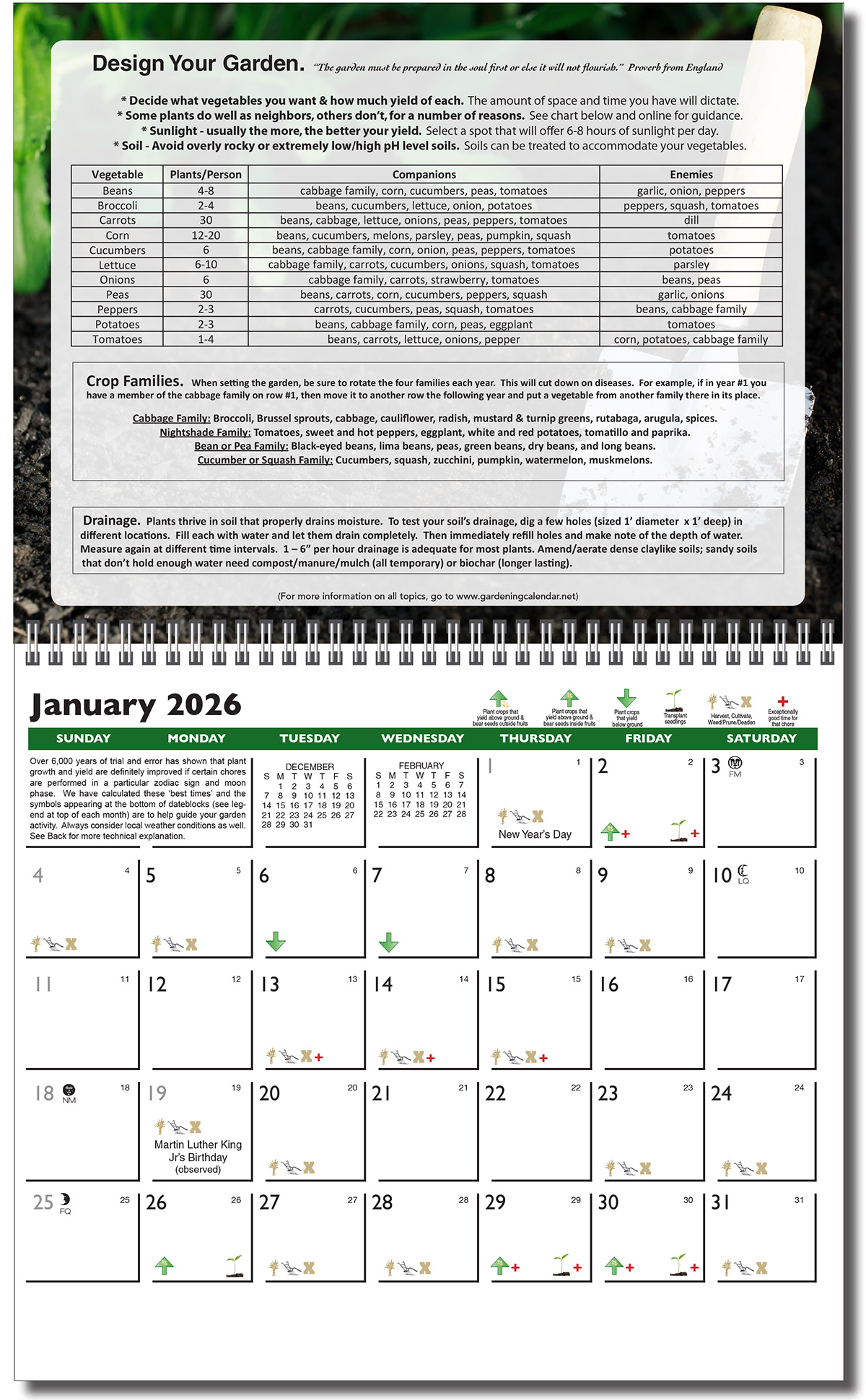
From sowing seeds to smart watering, and from pest vigilance to timely harvesting, June demands attention and rewards diligence. My own garden, a constant source of joy and occasional head-scratchers, has taught me that preparation is key. Following a seasonal plan helps manage tasks efficiently, allowing you to enjoy the process rather than feeling overwhelmed. Let’s dive into making June 2026 your most productive and beautiful gardening month yet.
Embracing June’s Unique Growing Conditions
June brings a distinct set of environmental conditions that greatly influence what and how we garden. Understanding these nuances is the first step towards a successful month. The shift from spring’s mildness to summer’s intensity requires adaptable strategies.
Regional Climate Variations and USDA Zones
Gardening is never a one-size-fits-all endeavor. What thrives in a cooler northern climate might struggle in the heat of the south. Your USDA Plant Hardiness Zone plays a crucial role in determining planting times and crop suitability. In June, many regions are firmly in their warm-season planting window, while others might still be transitioning.
- Zones 3-5 (Cooler Climates): You might still be planting cool-season crops for a quick harvest, alongside your main warm-season plantings. Frost risk is generally past, but cooler nights can persist.
- Zones 6-8 (Temperate Climates): This is prime time for warm-season vegetables, flowers, and herbs. Growth is vigorous, and consistent watering becomes critical.
- Zones 9-11 (Warmer Climates): Heat management is paramount. Consider shade cloth for sensitive plants and focus on heat-tolerant varieties. Some areas might even be preparing for a second, cooler season planting in late summer/fall.
Always consult your local extension office or a trusted regional gardening guide for specific recommendations tailored to your microclimate. The key is to match your plant choices and care routines to your unique environment.
Understanding Soil Health and Preparation
Healthy soil is the foundation of a healthy garden. In June, as plants are actively growing, their nutrient demands increase. Ensuring your soil is rich and well-drained is paramount for robust plant development. I always advocate for soil testing every few years to truly understand its composition.

- Compost & Organic Matter: If you haven’t already, top-dressing your beds with a layer of rich compost will slowly release nutrients and improve soil structure. It acts like a slow-release fertilizer and helps retain moisture.
- Mulching Benefits: Applying a layer of organic mulch (straw, shredded leaves, wood chips) around your plants is a game-changer. It conserves soil moisture, suppresses weeds, and moderates soil temperature, keeping roots cool during hot spells.
- Nutrient Boost: For heavy feeders like tomatoes and corn, a mid-season boost with a balanced organic fertilizer might be necessary. Watch for signs of nutrient deficiency, such as yellowing leaves.
Remember, your soil is a living ecosystem. Nurturing it will pay dividends in the health and productivity of your garden.
What to Plant in June for a Bountiful Harvest
June is an exciting month for planting, especially for those craving summer’s fresh flavors. This is when many of our favorite warm-season crops really hit their stride. My personal philosophy is always to plant a little more than you think you need – you can always share the surplus!
Delicious Vegetables for June Sowing
For most regions, June marks the perfect time to plant or sow seeds for vegetables that love the heat. These plants need plenty of sunshine and consistent moisture to produce well.
- Tomatoes and Peppers: If you’re still transplanting, June is your last call for these heat-loving favorites. Choose sturdy, healthy starts. Ensure they have adequate staking or support as they grow.
- Beans (Bush & Pole): Direct sow bush beans every couple of weeks for a continuous harvest. Pole beans offer higher yields in less space and need a trellis to climb. They germinate quickly in warm soil.
- Squash (Summer & Winter): Summer squash varieties like zucchini and yellow squash can be direct sown. For winter squash (butternut, acorn), plant now to give them ample time to mature before fall.
- Corn: Plant in blocks rather than single rows for better wind pollination. Corn is a heavy feeder, so prepare your soil well.
- Cucumbers: Direct sow seeds or plant starts. Provide a trellis for climbing varieties to keep fruits clean and save space.
- Eggplant: Plant out sturdy seedlings. Eggplant thrives in warmth and full sun.
- Okra: A fantastic choice for hotter climates, okra loves the heat and humidity.
Don’t forget succession planting for crops like bush beans, lettuce (heat-tolerant varieties), radishes, and even some faster-growing herbs. This ensures a steady supply rather than a single, overwhelming harvest.
Fragrant Herbs and Vibrant Flowers to Plant
June isn’t just for vegetables; it’s also a fantastic time to get herbs and flowers into the ground, adding beauty and biodiversity to your garden.
- Herbs: Direct sow or plant starts of basil, cilantro, dill, mint, oregano, rosemary, and thyme. Many herbs thrive in containers, making them perfect for patio gardens.
- Annual Flowers: For a burst of continuous color, plant annuals like marigolds, petunias, zinnias, cosmos, impatiens, and sunflowers. They’ll bloom all summer long.
- Perennials: You can still plant many perennials in June, especially if you ensure consistent watering. Consider daylilies, coneflowers, hostas, and salvias. Planting now gives them time to establish roots for next year’s show.
- Flowering Vines: Morning glories, moonflowers, and climbing nasturtiums add vertical interest and beauty.
Companion planting with flowers can also benefit your vegetable garden by attracting pollinators and deterring pests. Marigolds are known for repelling nematodes, for example.
Essential June Garden Tasks and Maintenance
Beyond planting, June requires consistent attention to various maintenance tasks. These are the routines that keep your plants healthy, productive, and looking their best. I often find a quiet morning spent on garden chores to be incredibly meditative.

Mastering Watering Techniques
As temperatures rise, water becomes the most critical resource. Efficient watering is not just about quantity but also about technique. My golden rule is to water deeply and infrequently, encouraging roots to grow deeper.
- Deep Watering: Aim to soak the soil to a depth of 6-8 inches. This is far more effective than shallow, frequent sprinkles which only encourage surface roots.
- Morning is Best: Water in the early morning to minimize evaporation and allow foliage to dry before nightfall, reducing the risk of fungal diseases.
- Drip Irrigation & Soaker Hoses: These systems deliver water directly to the plant roots, minimizing waste and keeping foliage dry. They are invaluable for busy gardeners.
- Container Gardens: Pots dry out much faster than in-ground beds. Check them daily, sometimes twice on very hot, windy days.
Always check the soil moisture before watering. Stick your finger about an inch or two into the soil; if it feels dry, it’s time to water.
Feeding Your Growing Plants
Vigorously growing plants in June are hungry! Providing supplemental nutrients can significantly boost their health and yield.

- Balanced Fertilizers: Use a balanced organic liquid fertilizer for a quick boost or a slow-release granular product. Follow package directions carefully.
- Targeted Feeding: Tomatoes and peppers benefit from fertilizers higher in phosphorus and potassium once they start setting fruit. Leafy greens appreciate a nitrogen boost.
- Compost Tea: This nutrient-rich liquid is a gentle way to feed your plants and introduce beneficial microbes to the soil.
Over-fertilizing can be as detrimental as under-fertilizing. Observe your plants and let their growth be your guide.
Weed Control and Pest Management
Weeds compete for resources, and pests can decimate a garden quickly. June is a prime time for both, so vigilance is key. I’ve learned that consistency in these tasks saves a lot of heartache later on.
- Mulching: As mentioned earlier, a thick layer of mulch is your best defense against weeds.
- Hand-Weeding: Pull weeds when they are small and the soil is damp. Get to the root to prevent regrowth.
- Integrated Pest Management (IPM): This approach prioritizes prevention and non-chemical solutions.
- Daily Scouting: Inspect your plants regularly for signs of pests or disease. Catching problems early makes them much easier to manage.
- Organic Solutions: Hand-picking larger pests, using insecticidal soap for aphids, or introducing beneficial insects (like ladybugs) are effective organic strategies.
- Disease Prevention: Ensure good air circulation, avoid overhead watering, and remove any diseased foliage promptly.
A healthy, diverse garden is generally more resilient to pest and disease pressure.
Pruning, Deadheading, and Providing Support
These tasks encourage stronger growth, more blooms, and better fruit production.
- Deadheading Flowers: Remove spent blooms from annuals and perennials to encourage continuous flowering.
- Pruning Tomatoes: For indeterminate varieties, ‘suckers’ (shoots growing in the crotch of a leaf and main stem) should be pinched out to direct energy into fruit production.
- Trellising & Staking: Provide sturdy support for tall plants like tomatoes, peas, beans, and cucumbers. This prevents disease, keeps fruit clean, and saves space.
A well-supported plant is a happy and productive plant.
Harvesting Your Early Summer Bounty
This is arguably the most rewarding part of gardening! June often brings the first substantial harvests of the season. Knowing when and how to harvest ensures the best flavor and encourages more production.
- Leafy Greens: Continue harvesting outer leaves of lettuce, spinach (if still producing in your climate), and Swiss chard.
- Radishes and Turnips: Harvest when roots are firm and of good size.
- Peas: Pick snap peas and snow peas when pods are plump and sweet.
- Herbs: Harvest herbs frequently to encourage bushier growth. Snip what you need, leaving enough for the plant to recover.
- Strawberries: If you have June-bearing varieties, enjoy the sweet bounty! Pick ripe berries in the morning.
Frequent harvesting signals to the plant to produce more, extending your harvest season. Don’t be afraid to pick! If left on the plant, many vegetables will signal the plant to stop producing and focus on seed production instead.
Looking Ahead: Planning for Late Summer and Fall
Gardening is an ongoing cycle. While we’re enjoying June’s abundance, it’s wise to start thinking about future plantings. This forward-thinking approach is a hallmark of an experienced gardener.
Succession Planting for Extended Harvests
June is an ideal time to plan and execute succession plantings for crops you want to enjoy into late summer and fall. Consider crops that mature quickly.
- Bush Beans & Peas: Plant another round for a late summer crop.
- Heat-Tolerant Greens: Varieties of lettuce, Swiss chard, and kale that can tolerate summer heat.
- Carrots & Beets: Direct sow for fall harvest.
By staggering your plantings, you avoid the feast-or-famine cycle and ensure a continuous supply of fresh produce.
Preparing for Fall Vegetables
If you plan on a fall garden, June is when you might start seeds indoors for crops like broccoli, cauliflower, Brussels sprouts, and cabbage. These need a head start to be ready for transplanting as summer begins to wane.
Your June 2026 Gardening Calendar Planting Guide Checklist
To help you stay organized and ensure no task is overlooked, here’s a comprehensive checklist for your June 2026 Gardening Calendar Planting Guide. This table breaks down key activities by week, allowing you to pace yourself throughout the month.
| Week of June | Garden Tasks | Planting Guide | Notes / Focus |
|---|---|---|---|
| Week 1 (June 1-7) | Transplant warm-season vegetables (tomatoes, peppers, eggplant). Install supports (stakes, trellises). Apply initial layer of mulch. Monitor for early pests. | Direct sow bush beans, cucumbers, summer squash. Plant annual flowers (marigolds, zinnias). | Focus on establishing new plants. Ensure adequate initial watering. |
| Week 2 (June 8-14) | Begin deep watering regimen. Fertilize heavy feeders (tomatoes, corn). Pinch out tomato suckers. Weed thoroughly. | Direct sow a second round of bush beans, cilantro. Plant heat-tolerant herbs (basil, oregano). | Increase watering frequency as temperatures rise. Vigilant pest checks. |
| Week 3 (June 15-21) | Deadhead spent flowers. Continue weeding. Harvest early crops (radishes, lettuce, peas, strawberries). Check container plants daily. | Direct sow winter squash, okra (in warm zones). Plant a final wave of annuals for continuous color. | Enjoy first significant harvests! Monitor plant health closely. |
| Week 4 (June 22-30) | Replenish mulch as needed. Continue watering and fertilizing. Scout for any signs of late-month pests or diseases. Plan for fall garden. | Start seeds indoors for fall brassicas (broccoli, cabbage). Direct sow carrots, beets for fall. | Prepare for the peak of summer heat. Maintain diligence. |
Conclusion: Savoring Your June Garden
June is truly a magical time in the garden, a period of rapid growth, abundant promise, and the first taste of summer’s bounty. By following this June 2026 Gardening Calendar Planting Guide, you’re not just performing tasks; you’re nurturing life, enhancing your surroundings, and cultivating a deeper connection with nature. Remember, gardening is a journey, not a destination. There will be successes and learning opportunities, but every moment spent among your plants is a gift. Keep observing, keep learning, and most importantly, keep enjoying the process. Here’s to a flourishing and joyful June in your garden!
Frequently Asked Questions
What are the most important plants to focus on planting in June?
In June, the primary focus for planting is warm-season crops that thrive in intense heat and sunlight. This includes vegetables like tomatoes, peppers, bush beans, pole beans, summer squash, cucumbers, corn, and eggplant. For herbs, consider basil, dill, and cilantro. For continuous color, annual flowers such as marigolds, zinnias, and petunias are excellent choices.
How often should I water my garden in June?
Watering frequency in June depends on your climate, soil type, and plant needs, but the general rule is to water deeply and less frequently. Aim to soak the soil to a depth of 6-8 inches every few days, rather than light daily sprinkles. Early mornings are best to minimize evaporation and allow foliage to dry. Container plants will likely need daily checks and more frequent watering.
What are key maintenance tasks for a June garden?
Essential June maintenance includes consistent weeding to reduce competition for nutrients and water, applying mulch to conserve moisture and suppress weeds, and regular pest and disease scouting for early intervention. It’s also crucial to prune indeterminate tomatoes, deadhead spent flowers for continuous blooms, and provide stakes or trellises for climbing plants.
When should I start thinking about my fall garden plantings?
June is an ideal time to begin planning for your fall garden. For many regions, this means starting seeds indoors for cool-season crops like broccoli, cauliflower, Brussels sprouts, and cabbage, which need a longer growing season. You can also direct sow shorter-season fall crops like carrots, beets, and heat-tolerant greens for a later harvest.