As an early childhood educator with years of experience, I’ve seen firsthand the magic that well-chosen themes can bring to a preschool classroom. The excitement of little learners discovering new concepts through play and exploration is truly unparalleled. Planning engaging activities is key, and getting a head start on your curriculum for the coming year is always a smart move. Let’s dive into some wonderful possibilities for February 2026 preschool themes that will captivate young minds and foster crucial developmental skills.
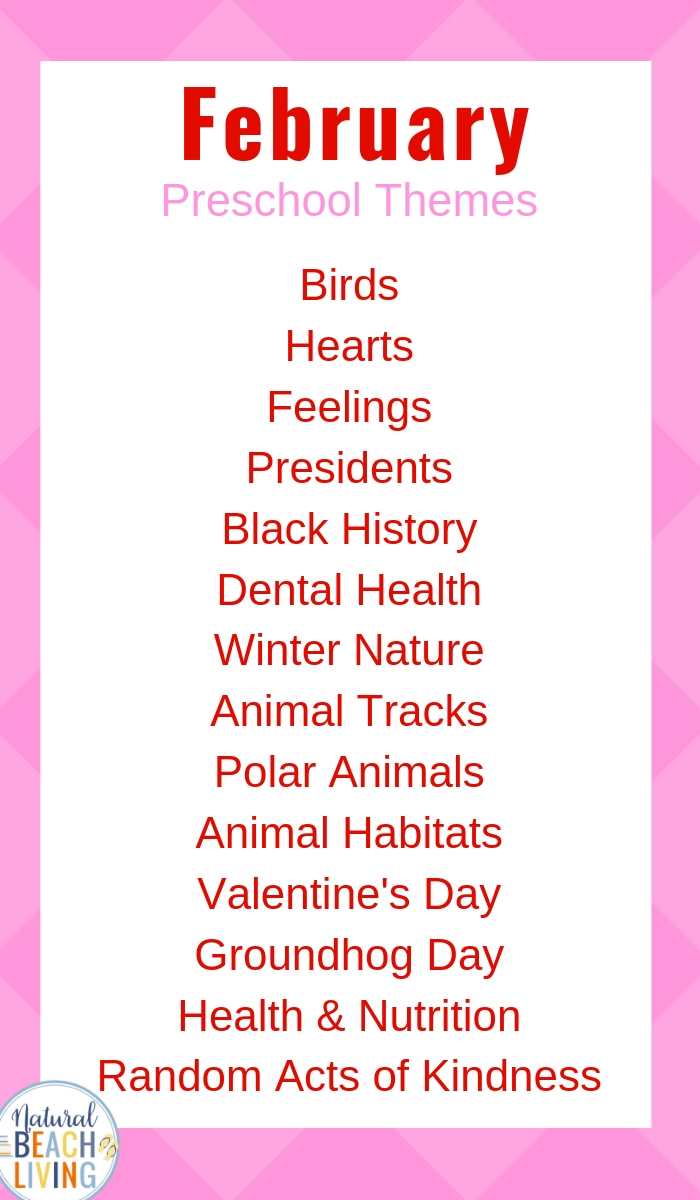
February, though the shortest month, is packed with opportunities for rich, diverse, and engaging learning. From celebrating historical figures to exploring the wonders of winter, these themes provide a fantastic framework for your early learning curriculum.
The Importance of Themed Learning in Early Childhood
Themes offer a cohesive structure that helps preschoolers make sense of the world around them. They connect various subjects, making learning more meaningful and less fragmented. When children can see how different activities relate to a central idea, their comprehension and retention improve dramatically.
Fostering Holistic Development Through Themes
A well-designed theme doesn’t just focus on one skill. It weaves together literacy, math, science, art, and social-emotional learning into a vibrant tapestry. For instance, a ‘Friendship’ theme encourages social skills, while counting hearts in a craft activity reinforces early math concepts. This integrated approach is fundamental to holistic early childhood development.
Themes also spark curiosity and imagination. When children are immersed in a topic, they’re more likely to ask questions, explore, and create. This active engagement is crucial for building a lifelong love of learning, laying the groundwork for kindergarten readiness and beyond.
Core February 2026 Preschool Themes: A Deep Dive
February is a treasure trove of inspiring ideas. Here are some of the most popular and impactful themes you can integrate into your preschool February activities schedule.
Love and Friendship: Celebrating Connections
With Valentine’s Day at its heart, a ‘Love and Friendship’ theme is perfect for nurturing social-emotional skills. Children learn about kindness, empathy, sharing, and what it means to be a good friend. It’s an ideal time for social-emotional learning activities.
My own experience tells me that these discussions lead to some of the most profound learning moments. Watching children express appreciation for one another is incredibly rewarding. Simple acts of kindness can be highlighted and celebrated.

Activities for Love & Friendship Theme:
- Friendship Bracelets: Practicing fine motor skills while creating gifts for friends.
- Kindness Jar: Collecting notes about acts of kindness observed in the classroom.
- Heart Art: Exploring various art mediums to create heart-themed crafts, working on creative expression.
- “My Friends and I” Book: Drawing pictures or dictating sentences about classmates.
- Cooperative Games: Activities that require teamwork and communication.
Black History Month: Celebrating Heroes and Heritage
February is Black History Month, offering a vital opportunity to introduce young children to diverse cultures and inspiring figures. It’s about celebrating contributions and fostering an understanding of different backgrounds, a crucial aspect of inclusive early education.

It’s important to approach this theme in an age-appropriate way. Focus on positive stories, achievements, and the concept of fairness and equality. Visuals like books and simple stories about notable individuals are very effective.
Activities for Black History Month Theme:
- Read Alouds: Books featuring diverse characters and stories of bravery.
- Community Helpers: Discussing how different people contribute to our communities, including inventors and leaders.
- Art Inspired by Diverse Cultures: Exploring different art forms and colors.
- Music & Movement: Introducing music from various cultural traditions.
- “I Have a Dream” Activity: Discussing children’s hopes and dreams in simple terms, inspired by Martin Luther King Jr.
Groundhog Day & Weather: Exploring Seasonal Changes
Groundhog Day, while whimsical, offers a fantastic springboard into discussions about seasons, weather, and predictions. It’s a gentle introduction to scientific observation and forecasting for preschool science activities.
I always love seeing the children’s faces light up as they learn about shadows and ponder whether spring will come early. It connects them to natural phenomena in a fun, accessible way.
Activities for Groundhog Day & Weather Theme:
- Shadow Play: Experimenting with light and shadows.
- Weather Chart: Tracking daily weather patterns and discussing seasonal changes.
- Groundhog Craft: Creating groundhog puppets or drawings.
- Predicting the Weather: Simple discussions about what makes weather change.
- Dress for the Weather: A dramatic play area with different seasonal clothing, promoting practical life skills.
President’s Day: Understanding Leadership and Country
President’s Day provides an opportunity to introduce basic concepts of leadership, community, and national identity. It can be simplified into understanding who helps lead our country and the importance of rules and community roles.
I’ve found that focusing on the roles presidents play and celebrating the idea of service to others resonates well with young children. They can relate it to leaders in their own lives, like parents or teachers.
Activities for President’s Day Theme:
- American Flag Craft: Learning about colors and shapes.
- “What Would You Do?” Scenarios: Discussing simple leadership choices.
- Money Exploration: Introducing coins and their values (Abraham Lincoln, George Washington).
- Presidential Portraits: Simple drawing or coloring activities.
- Pledge of Allegiance: Practicing the pledge and discussing its meaning.
Dental Health Month: Healthy Smiles
February is also National Children’s Dental Health Month. This theme is crucial for teaching preschoolers about oral hygiene and making healthy choices, reinforcing public health awareness from a young age.
Getting children excited about brushing their teeth can be a challenge, but through fun activities, it becomes an engaging lesson in self-care. It’s a fantastic opportunity for healthy habit formation.
Activities for Dental Health Theme:
- Brush Your Teeth Song: Incorporating music and movement.
- “Germ” Experiment: Using glitter to show how germs spread and how washing hands/brushing helps.
- Healthy vs. Unhealthy Foods Sort: Discussing food choices for strong teeth.
- Dental Tools Exploration: Learning about a dentist’s instruments through play.
- Toothbrush Painting: Using toothbrushes to paint, making the tool fun.
Winter Wonderland & Animals: Exploring Nature’s Beauty
Depending on your climate, a ‘Winter Wonderland’ or ‘Winter Animals’ theme can be explored throughout February. It’s perfect for preschool nature exploration and sensory play.
I remember one year, we brought snow into the classroom, and the sheer delight on the children’s faces as they touched and played with it indoors was unforgettable. It provides a rich sensory experience.

Activities for Winter Wonderland & Animals Theme:
- Snowflake Science: Observing snowflakes (if possible) or creating snowflake art.
- Penguin Waddle: Gross motor skill activity imitating penguins.
- Hibernation Station: Creating a cozy corner to learn about animals that hibernate.
- Igloo Building: Using sugar cubes or blocks to build structures.
- Arctic Animals Sensory Bin: Exploring textures and animal figures in a themed bin.
Structuring Your February 2026 Curriculum: Weekly Themes
To keep things fresh and manageable, it’s often best to break down your monthly theme into weekly sub-themes. This allows for deeper exploration of specific concepts without overwhelming the children.
Example Weekly Breakdown for February 2026:
As an experienced planner, I typically structure a month like this, ensuring a good mix of core themes and specific observances. This structured approach helps ensure all February curriculum ideas are covered efficiently.
- Week 1 (Feb 2-6): Groundhog Day & Winter Weather – Focus on predictions, shadows, and seasonal changes.
- Week 2 (Feb 9-13): Love & Friendship – Build up to Valentine’s Day with kindness activities and celebrating relationships.
- Week 3 (Feb 16-20): President’s Day & Community Heroes – Introduce basic concepts of leadership and civic duty, coinciding with President’s Day on Feb 16th.
- Week 4 (Feb 23-27): Black History Month & Diverse Cultures – Introduce age-appropriate stories of diverse figures and cultural contributions, which can extend throughout the month. Also integrate Dental Health Month activities throughout the month.
This kind of rotation ensures that important observances are acknowledged, while providing ample time for foundational skills and engaging learning opportunities.
Integrating Learning Domains Across Themes
The beauty of themed learning is its ability to seamlessly integrate various academic and developmental areas. Each activity, no matter how simple, can touch upon multiple learning domains.
Cross-Curricular Connections:
- Literacy: Reading books related to the theme, tracing letters (L for Love, H for History), dictating stories, developing vocabulary skills.
- Mathematics: Counting hearts, sorting colored items, recognizing shapes in crafts, patterning activities, promoting early math concepts.
- Science: Observing weather patterns, discussing animal habitats, experimenting with shadows, fostering scientific inquiry.
- Art & Sensory: Creating themed crafts, exploring different textures in sensory bins, expressing creativity through drawing and painting, vital for fine motor development.
- Gross Motor: Themed obstacle courses (e.g., ‘waddle like a penguin’), movement games, outdoor exploration, enhancing physical development.
- Social-Emotional: Discussing feelings, practicing sharing and cooperation, role-playing scenarios related to friendship, building emotional intelligence.
Making Themes Come Alive: Practical Tips from Experience
Bringing a theme to life requires more than just a set of activities. It’s about creating an immersive and stimulating environment. My biggest advice is always to involve the children in the process as much as possible.
Creating an Immersive Environment:
- Classroom Decor: Change bulletin boards and learning centers to reflect the current theme.
- Themed Books: Stock your reading corner with books related to your weekly sub-themes.
- Dramatic Play Area: Transform your dramatic play area to encourage imaginative role-playing (e.g., a post office for Valentine’s letters, a dentist’s office).
- Music & Movement: Incorporate songs and movement activities that align with the theme.
Remember, the goal is to make learning an adventure. When children feel connected to the theme, their engagement skyrockets, leading to deeper understanding and longer-lasting memories. This hands-on approach is key to effective preschool educational themes.
Maximizing Engagement with Sensory and Play-Based Learning
Preschoolers learn best through play and sensory exploration. Integrating these elements into your February themes is non-negotiable for true engagement and effective developmentally appropriate activities.
Sensory Bins & Hands-On Explorations:
Sensory bins are a cornerstone of early childhood education. For February, you might create a “Winter Wonderland” bin with cotton balls, glitter, plastic animals, and scoopers. A “Heart-themed” bin could use red and pink dried pasta, small plastic hearts, and tongs for fine motor practice. These activities are perfect for exploring textures and developing fine motor skills.
Similarly, a play dough station with themed cutters (hearts, stars, animals) or loose parts can provide hours of creative, open-ended play. It allows children to express their understanding of the theme in their own unique ways.
Planning for Success: A Quick Reference for February Themes
To help you visualize and plan your February 2026 preschool themes, here’s a helpful overview of popular themes, their focus, and key developmental benefits. This table summarizes the broad strokes of seasonal learning plans.
| Theme Focus | Key Learning Concepts | Suggested Activities | Developmental Benefits |
|---|---|---|---|
| Love & Friendship | Kindness, Empathy, Social Skills, Sharing | Friendship Bracelets, Kindness Jar, Heart Art, Cooperative Games | Social-Emotional Growth, Fine Motor Skills, Creative Expression |
| Black History Month | Diversity, Contributions, Fairness, Heroes | Read Alouds (diverse characters), Community Helper discussions, Art from different cultures | Cultural Awareness, Language Development, Empathy, Critical Thinking |
| Groundhog Day & Weather | Seasons, Prediction, Observation, Shadows | Shadow Play, Weather Chart, Groundhog Craft, Predicting activities | Scientific Inquiry, Gross Motor Skills, Language, Sensory Exploration |
| President’s Day | Leadership, Community Roles, National Symbols | Flag Craft, Simple leadership discussions, Coin exploration | Civic Awareness, Fine Motor Skills, Early Math, Historical Context |
| Dental Health Month | Oral Hygiene, Healthy Habits, Body Awareness | Brushing songs, Germ experiments, Healthy food sorts, Dentist dramatic play | Self-Care Skills, Health Literacy, Science Concepts, Practical Life Skills |
| Winter Wonderland/Animals | Nature, Seasons, Animal Habitats, Sensory | Snowflake art, Penguin waddle, Hibernation corners, Arctic animal sensory bin | Nature Exploration, Sensory Integration, Gross Motor Skills, Language Development |
This overview serves as a starting point for crafting your unique preschool curriculum planning for February 2026. Remember to adapt activities to the specific needs and interests of your group.
Empowering Educators and Parents with Themed Learning
Whether you’re a seasoned preschool teacher, a new educator, or a parent homeschooling your little one, these themes offer a fantastic foundation. They simplify planning while maximizing engagement. The key is to be flexible and observe your children’s interests.
Tips for Seamless Implementation:
- Prepare Materials in Advance: Gathering supplies for a week’s worth of activities saves time and stress.
- Be Flexible: Children’s interests can shift; be ready to adapt or extend an activity if they are deeply engaged.
- Involve Families: Share your weekly theme with parents so they can reinforce learning at home through books or discussions. This creates a stronger home-school connection for early childhood education resources.
- Reflect and Adjust: After each theme, consider what went well and what could be improved for next time.
The beauty of working with young children is their boundless curiosity. By providing them with rich, stimulating environments through carefully chosen themes, we empower them to become confident, engaged learners. These creative preschool themes are designed to do just that.
Final Thoughts on February 2026 Preschool Themes
Planning for February 2026 preschool themes doesn’t have to be overwhelming. By breaking down the month into manageable weekly concepts, incorporating diverse learning domains, and focusing on play-based activities, you can create a truly enriching experience for young children. Remember the core values of love, kindness, diversity, and healthy habits. This month provides a unique opportunity to instill these important lessons through fun and engaging activities.
Embrace the challenge of crafting a dynamic and responsive curriculum. The joy and learning you’ll witness in your preschoolers will be your greatest reward. These thoughtfully chosen themes ensure that February is not just a short month, but a time of significant growth and discovery for every child in your care, fostering a strong foundation for future learning with well-executed February 2026 preschool themes.
” , “excerpt”: “Discover engaging February 2026 preschool themes! Explore activities for love, Black History Month, Groundhog Day, President’s Day, dental health, and winter fun.