As we step into a new year, the meticulous task of payroll management reclaims its spotlight. For businesses of all sizes, ensuring a smooth start to the fiscal calendar is paramount. This makes January 2026 payroll schedule planning not just a routine task, but a strategic imperative. From navigating holiday impacts to embracing new regulatory shifts, proactive preparation is your best defense against potential disruptions and penalties. My experience over years in financial and HR roles has shown me firsthand that a well-orchestrated payroll schedule underpins employee satisfaction and business stability. Let’s dive into how you can make your January 2026 payroll operations seamless and efficient.
The Critical Importance of January 2026 Payroll Schedule Planning
Getting your payroll right from the start of the year sets a crucial precedent. It impacts employee morale, maintains compliance, and safeguards your company’s financial health. Neglecting the intricacies of the new year can lead to costly errors and frustrated team members. This is why a dedicated focus on payroll planning 2026 is non-negotiable.
Why Proactive Planning Isn’t Just Good, It’s Essential
Imagine the ripple effect of a delayed payday or an incorrect tax withholding. It erodes trust, triggers complaints, and consumes valuable HR and finance resources in damage control. Proactive planning helps identify potential bottlenecks before they become critical issues. It allows ample time for adjustments, software updates, and team training.
A well-thought-out plan ensures that all necessary data, from time sheets to benefit deductions, is collected and verified well in advance. This approach minimizes last-minute rushes and reduces the likelihood of errors. It’s about building a robust system that can withstand unforeseen challenges.
Understanding the Calendar: January 2026 Specifics
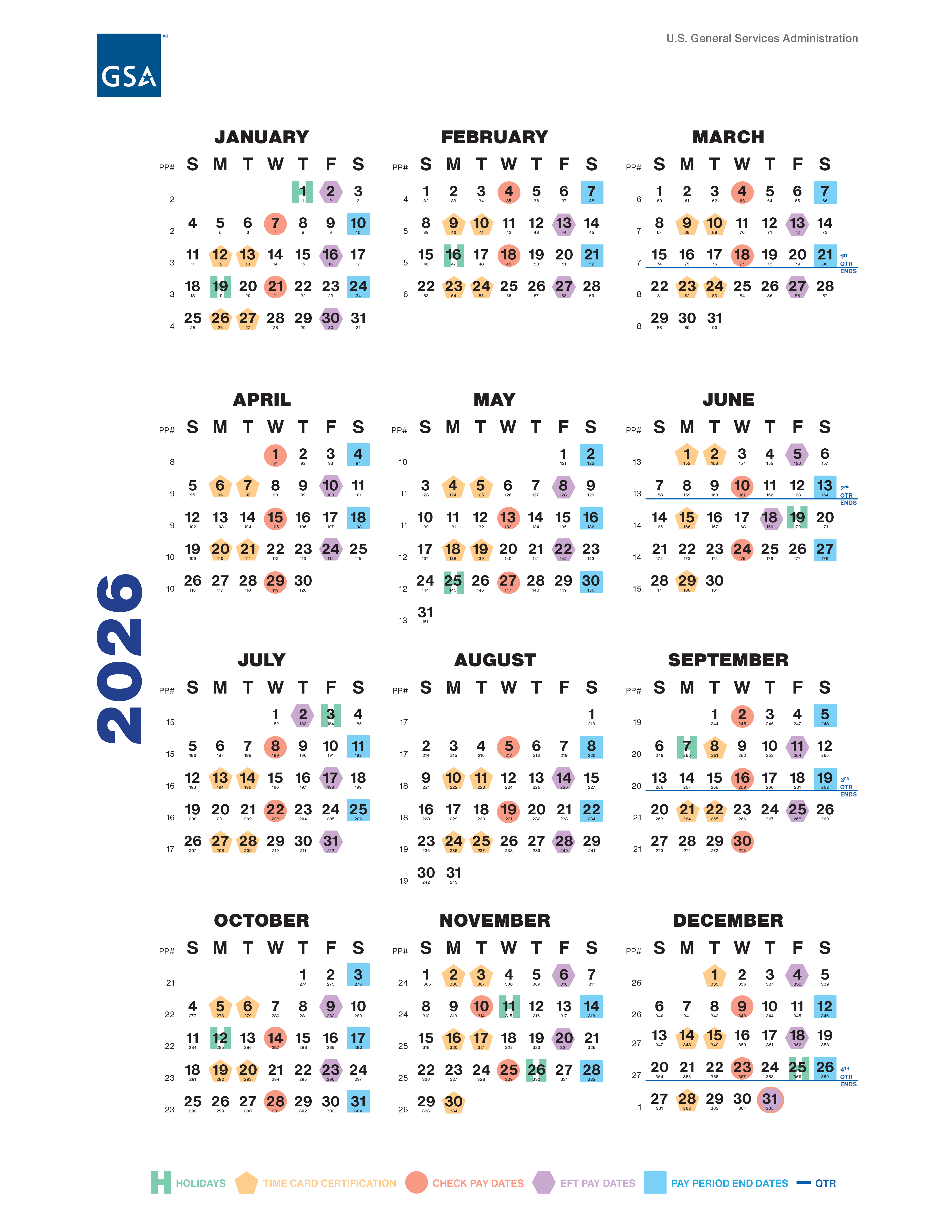
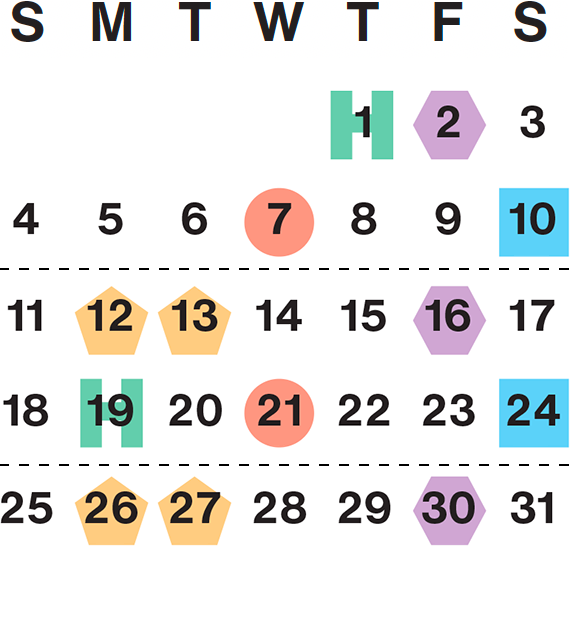
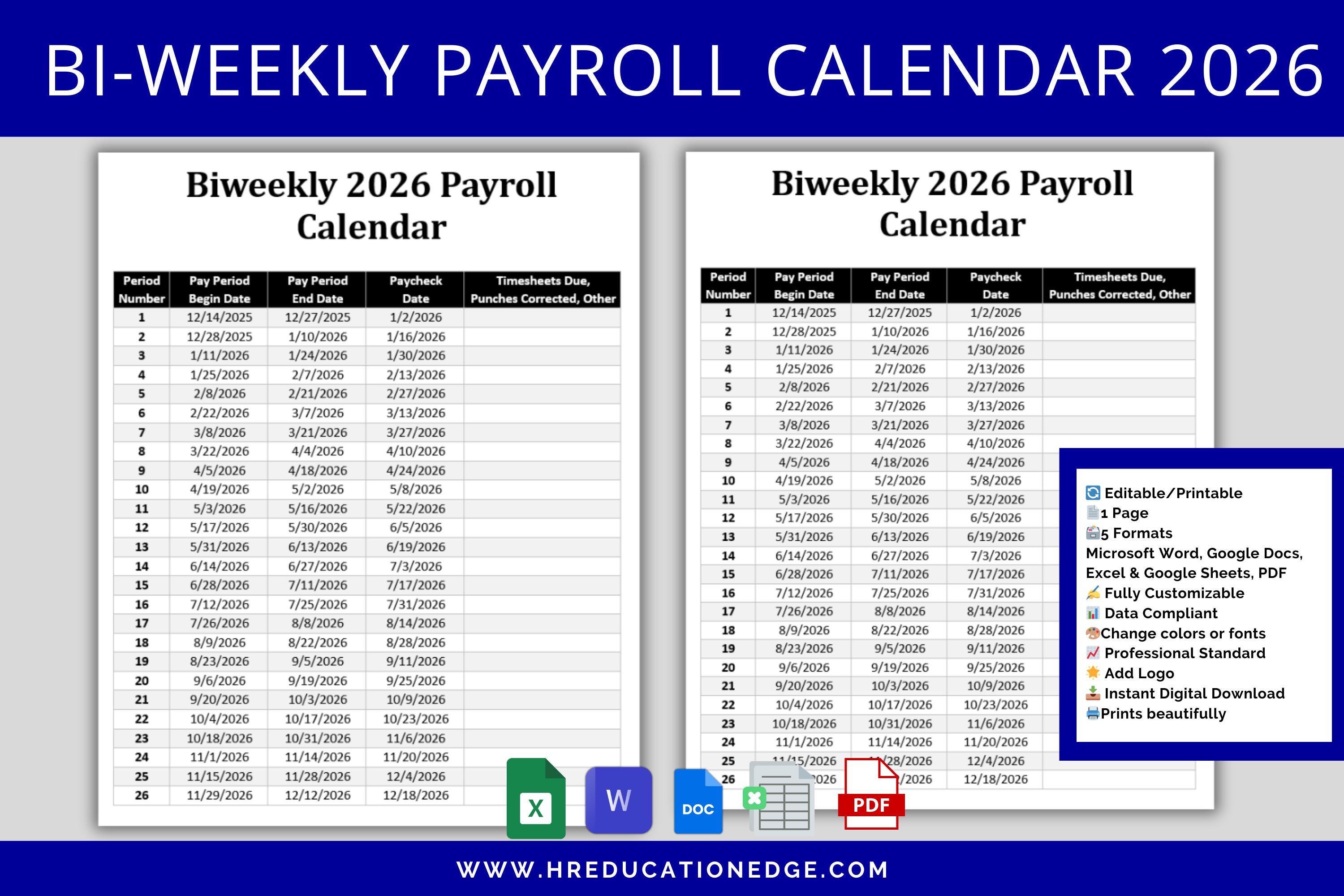
January 2026 presents unique considerations for payroll. New Year’s Day falls on a Thursday, which can impact businesses with weekly or bi-weekly pay cycles that typically fall on a Friday. This specific holiday placement requires early attention to processing deadlines and bank holidays. It’s a prime example of why examining the detailed 2026 payroll calendar is critical.
Understanding bank holidays and their impact on fund transfers is key. Direct deposits often require processing several business days in advance. Factor in potential delays, especially around public holidays, to ensure timely payments. Confirming bank cut-off times for electronic funds transfers (EFTs) is another vital step.
Key Steps to Building Your January 2026 Payroll Calendar
Crafting an effective payroll calendar involves several layers of detailed planning. It’s about mapping out every significant date and deadline. This systematic approach forms the backbone of efficient payroll processing 2026.
Identifying Pay Frequencies and Cycles
Every business operates on a specific pay frequency: weekly, bi-weekly, semi-monthly, or monthly. Your existing cycles dictate the number of pay runs in January. For example, a bi-weekly schedule might involve two paydays in January, while a weekly schedule could mean four or five. Clearly define your pay periods and corresponding pay dates for the month.
Documenting these cycles ensures clarity for both your payroll team and your employees. It also helps in forecasting cash flow and managing budgetary allocations. Consistency in pay frequency is a cornerstone of good payroll management.
Marking Public Holidays and Their Impact (New Year’s Day 2026)
As mentioned, New Year’s Day on Thursday, January 1, 2026, is a federal holiday. This means banks will be closed, affecting direct deposit processing times. If your typical payday is Friday, January 2nd, you’ll need to adjust your processing schedule accordingly. This often means running payroll a day or two earlier.
Consider other holidays or company-specific closures that might fall in January. Always build in a buffer for processing, especially when holidays are involved. Employee communication about altered pay dates is also crucial to prevent confusion.
Setting Internal Deadlines: Timekeeping to Direct Deposit
Effective payroll management relies on a strict internal timeline. This schedule should outline deadlines for every step of the payroll process. From employees submitting their time sheets to managers approving them, each stage needs a clear cut-off. Here’s a typical flow and how holidays can shift it:
| Payroll Step | Standard Deadline | Adjusted Deadline (New Year’s Impact Example) | Notes |
|---|---|---|---|
| Employee Timesheet Submission | Monday 5 PM | Monday 5 PM (No Change) | Ensure employees are aware of early manager approval needs. |
| Manager Approval | Tuesday 12 PM | Monday 5 PM (Earlier) | Crucial to expedite for early processing. |
| Payroll Data Entry/Review | Tuesday 5 PM | Tuesday 12 PM (Earlier) | Verify all deductions and earnings carefully. |
| Bank File Submission (Direct Deposit) | Wednesday 10 AM | Tuesday 2 PM (Significantly Earlier) | Account for bank holiday closures on Jan 1st. |
| Payday | Friday | Thursday (If Friday is Jan 2nd) | Communicate new payday clearly to employees. |
Establishing these internal payroll deadlines 2026 helps streamline workflow and ensures timely payments. Communication of these deadlines to all stakeholders, especially managers and employees, is paramount.
Navigating Regulatory Compliance and Tax Updates for 2026
The turn of a new year often brings a fresh wave of regulatory changes. Staying informed and compliant is non-negotiable for any business. Payroll compliance 2026 demands vigilance and proactive adaptation.
Federal and State Tax Withholding Changes
Tax laws are dynamic, with federal and state governments often adjusting withholding tables, minimum wage rates, and tax credits annually. January 2026 will likely introduce new IRS guidelines for tax withholding 2026, along with potential state-specific updates. It’s crucial to consult official IRS publications and your state’s revenue department websites.
Update your payroll software or manual calculations to reflect these changes before the first payroll run of January. Failure to implement correct withholding can lead to underpayment penalties for employees and potential audits for your business. My recommendation is always to double-check official government sources.
Wage and Hour Laws: Staying Compliant
Beyond taxes, federal and state wage and hour laws are critical. Minimum wage increases, overtime rules, and specific pay requirements (e.g., final paychecks for departing employees) can change. The Department of Labor provides federal guidance, but state labor departments often have their own specific regulations. Keep an eye on any new legislation that could impact your pay practices. Ensure your employee classifications (exempt vs. non-exempt) are still accurate under current laws.
Quarterly and Annual Reporting Requirements
January is not just about paying employees; it’s also a key month for year-end reporting from the previous year. While planning for January 2026, remember that January 2025’s W-2s and 1099s are due by January 31, 2026. This requires careful reconciliation of all 2025 payroll data. Ensuring accuracy for these forms is vital for both employees and IRS compliance. For the upcoming 2026 year, plan for quarterly filings of Form 941 (Employer’s Quarterly Federal Tax Return) and relevant state tax forms. These are often due by the end of the month following the quarter’s end, so the first quarter of 2026 will be due by April 30, 2026.
Optimizing Payroll Processing: Best Practices and Technology
Efficiency is the cornerstone of effective payroll. Adopting best practices and leveraging technology can transform your HR payroll management. It moves you from reactive problem-solving to proactive, strategic operations.
Embracing Automation: Payroll Software Solutions
Manual payroll processing is prone to human error and time-consuming. Modern payroll software solutions like ADP, Gusto, QuickBooks Payroll, or Paychex offer automation for calculations, tax filings, and direct deposits. These systems integrate with timekeeping, HR, and accounting platforms, creating a seamless data flow. Investing in a robust system can significantly reduce processing time and improve accuracy.
When selecting a system, consider your business size, complexity, and specific needs. Look for features like automated tax updates, employee self-service portals, and detailed reporting. My personal experience has shown that the initial investment pays off quickly in saved time and reduced compliance risks.
Data Accuracy and Verification Techniques
Garbage in, garbage out. The accuracy of your payroll output directly depends on the quality of your input data. Implement rigorous verification techniques. Cross-reference new hire information against W-4 forms and E-Verify. Regularly audit employee records for correct addresses, bank details, and benefit deductions. Before final processing, perform a reconciliation. Compare current payroll totals to previous periods and investigate any significant variances. A second pair of eyes on final reports can catch subtle errors.
Employee Communication: Clarity is Key
Transparent communication fosters trust and reduces inquiries. Inform employees about the January 2026 payroll schedule planning and any changes, especially around holidays. Clearly communicate pay dates, any shifts due to bank closures, and deadlines for submitting time off or expense reports. Use multiple channels: email announcements, internal memos, or updates on your employee self-service portal. Provide clear instructions on how employees can access their pay stubs and tax documents. Proactive communication saves your payroll team from answering repetitive questions.
Common Pitfalls and How to Avoid Them
Even with the best intentions, payroll can be a minefield of potential errors. Recognizing common pitfalls allows you to implement preventative measures. This is especially true for small business payroll, where resources might be stretched thin.
Missing Deadlines: The Cost of Delays
Missing payroll deadlines, whether for employee payments or tax remittances, incurs penalties. Late direct deposits lead to employee dissatisfaction. Late tax payments can result in substantial fines from the IRS and state agencies. Use a master calendar that includes all payroll processing dates, tax due dates, and reporting deadlines. Set automated reminders within your payroll software or calendar applications. My tip: always aim to complete tasks a day before the actual deadline to build in a buffer.
Data Entry Errors: Impact on Employees and Business
Manual data entry is a primary source of errors. A misplaced decimal point, an incorrect number of hours, or a miscoded deduction can have significant repercussions. Implement dual-verification processes for critical data entry. Utilize integrations between timekeeping systems and payroll software to minimize manual transcription. Encourage employees to review their pay stubs promptly and report any discrepancies. A prompt correction process is essential.
Ignoring Regulatory Changes: Penalties Await
As discussed, tax and labor laws change frequently. Assuming that last year’s rules still apply is a dangerous gamble. Designate a person or team to monitor official government websites and subscribe to updates from payroll associations. Regular training for your payroll staff on new regulations is a wise investment. Failing to keep up can lead to fines, back payments, and even legal action. Don’t let your business fall victim to ignorance of the law.
Building Resilience: Contingency Planning for Payroll
Even the most meticulously planned systems can face unexpected challenges. A robust contingency plan ensures that payroll continues uninterrupted, even in adverse circumstances. This foresight is a mark of strong financial management.
Backup Systems and Disaster Recovery
What if your payroll software crashes? What if a natural disaster impacts your office? Having a backup system for your payroll data is critical. Cloud-based payroll solutions often include robust data backup and recovery features. If you use on-premise software, ensure regular, secure backups are performed and stored offsite. Document your disaster recovery plan, outlining steps to restore operations quickly. This plan should include contact information for all essential vendors and team members.
Cross-Training Your Payroll Team
Relying on a single individual for all payroll knowledge creates a single point of failure. Cross-train multiple team members on all aspects of payroll processing. This ensures continuity if a key person is absent due to illness, vacation, or departure. Document all payroll procedures and workflows meticulously. This shared knowledge base makes onboarding new team members easier and reduces operational risks.
Final Thoughts on a Smooth January 2026
Effective payroll management is more than just cutting checks; it’s about safeguarding your business, ensuring compliance, and fostering employee trust. By embracing proactive January 2026 payroll schedule planning, staying informed on regulatory changes, leveraging technology, and building resilience, you can navigate the complexities of the new year with confidence. My years in this field have taught me that diligent preparation today leads to seamless operations tomorrow. A smooth start to 2026 will set a positive tone for your entire year.
Frequently Asked Questions
What are the key dates for January 2026 payroll schedule planning?
For January 2026, New Year’s Day falls on a Thursday, meaning any typical Friday paydays will likely need adjustment. You’ll need to move up processing deadlines for time sheet approvals and bank file submissions to ensure timely direct deposits. Always confirm specific bank cut-off times for electronic transfers. Additionally, January 31, 2026, is the deadline for issuing 2025 W-2 and 1099 forms.
How do I ensure tax compliance for payroll in 2026?
To ensure tax compliance, actively monitor official IRS and state revenue department websites for new withholding tables, tax rates, and any changes to federal or state payroll taxes for 2026. Update your payroll software or manual calculations accordingly before your first payroll run. Designate someone to stay informed about regulatory shifts and provide regular training to your payroll team.
What are the best practices for communicating payroll changes to employees?
Clear and proactive communication is vital. Inform employees well in advance about any changes to pay dates, especially due to holidays like New Year’s Day 2026. Explain any new tax withholdings or benefit deductions. Utilize multiple channels such as email, internal announcements, or your employee self-service portal. Also, provide guidance on how employees can access their pay stubs and tax documents.
Can payroll software really simplify my 2026 payroll process?
Absolutely. Modern payroll software solutions can significantly simplify and streamline your payroll process. They automate calculations, tax filings, and direct deposits, reducing manual errors and saving time. Features like automated tax updates, integration with timekeeping systems, and employee self-service portals enhance accuracy, compliance, and overall efficiency, allowing your team to focus on more strategic tasks.