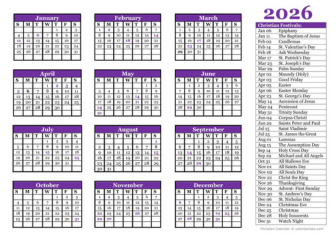
As we gaze forward to the calendar of April 2026, a tapestry of vibrant religious holidays and deeply meaningful observances unfurls across the globe. Understanding these sacred dates isn’t just about marking a calendar; it’s about fostering global cultural travel, respect, and appreciation for the rich diversity of human faith. This month promises a unique intersection of spiritual reflection, joyous celebration, and cherished traditions for countless individuals worldwide. Let’s embark on a journey to explore the significant April 2026 Religious Holidays and their profound impact.

Understanding the Dynamic Nature of Religious Calendars
One of the fascinating aspects of religious observances is their often dynamic placement on the Gregorian calendar. Many major faiths, including Islam and Judaism, follow lunar or lunisolar calendars. This means that their holy days shift annually relative to the solar-based Gregorian system.
For instance, Islamic holidays like Eid al-Fitr are determined by lunar sightings, leading to slight variations year to year. Similarly, Jewish festivals such as Passover are based on a lunisolar calendar, ensuring they fall within specific seasons.
This dynamic nature necessitates a keen awareness for those planning events, travel, or simply seeking to understand their neighbors’ traditions. It highlights the intricate systems developed over millennia to honor specific spiritual cycles.
Key Religious Holidays and Observances in April 2026
April 2026 is poised to host a significant number of sacred days from various faith traditions. While specific dates can be subject to official declarations, we can project the likely timing of several important festivals and commemorations.
Christian Observances in April 2026
While Western Christianity typically celebrates Easter in March or early April, Eastern Orthodox Christianity often follows a different Paschal calendar. In 2026, Orthodox Easter is expected to fall on Sunday, April 12th. This makes April a particularly significant month for Eastern Christian communities.
The week leading up to Orthodox Easter, known as Holy Week, includes profound observances like Lazarus Saturday, Palm Sunday, and Great Friday. These days are marked by deep spiritual reflection, church services, and family gatherings.
Other Christian denominations may observe various saints’ days or local traditions. The overarching theme during this period is often resurrection, renewal, and hope.
Jewish Holidays in April 2026
In April 2026, the major Jewish holiday of Passover (Pesach) is a prominent observance. Passover commemorates the liberation of the Israelites from slavery in ancient Egypt, a cornerstone event in Jewish history. The holiday typically begins on the 15th day of the Hebrew month of Nisan.
In 2026, Passover is expected to begin at sundown on Saturday, April 4th, and conclude at sundown on Saturday, April 11th. Families gather for Seder meals, recounting the Exodus story, and consume matzah (unleavened bread) for the duration of the holiday. It is a period of immense cultural significance and family unity.
Following Passover, the Jewish calendar also features Yom HaShoah (Holocaust Remembrance Day), expected around late April/early May, and Yom Ha’Atzmaut (Israel’s Independence Day), offering moments of solemn remembrance and national celebration respectively.
Islamic Observances in April 2026
The Islamic holy month of Ramadan, a period of fasting, prayer, reflection, and community, will likely be concluding in early April 2026. This culminates in Eid al-Fitr, the ‘Festival of Breaking the Fast’, one of the most important Islamic festivals. It’s a joyful occasion marked by communal prayers, charitable giving (Zakat al-Fitr), feasts, and visiting family and friends.

As the lunar calendar dictates, the exact start and end dates of Ramadan and Eid al-Fitr are confirmed by moon sighting. However, current projections place Eid al-Fitr around Tuesday, April 7th, 2026. This celebration holds immense spiritual importance for Muslims globally.
Hindu Festivals in April 2026
April is often a vibrant month for Hindu celebrations. Rama Navami, celebrating the birth of Lord Rama, a revered deity, typically falls in late March or early April. In 2026, it is projected to be around Sunday, April 5th. This day is marked by special prayers, devotional singing (bhajans), and readings from the Ramayana.
Another significant observance is Hanuman Jayanti, which celebrates the birth of Lord Hanuman, a devout follower of Rama. This festival, anticipated around Tuesday, April 14th, involves prayers, offerings, and recitations of the Hanuman Chalisa.
Many regional Hindu new year celebrations also occur in April, such as Vaisakhi (for some communities in North India), Puthandu (Tamil New Year), and Vishu (Malayalam New Year). These diverse Hindu holidays reflect the rich tapestry of beliefs and customs within Hinduism.
Sikh Celebrations in April 2026
For the Sikh community, April is a profoundly significant month due to Vaisakhi. This festival commemorates the formation of the Khalsa brotherhood by Guru Gobind Singh in 1699, marking a pivotal moment in Sikh history. It is also a traditional harvest festival.
Vaisakhi is celebrated with great fervor, including processions (Nagar Kirtans), prayers, kirtan (devotional music), and communal meals (langar) at Gurdwaras. In 2026, Vaisakhi will be celebrated on Tuesday, April 14th, offering a powerful demonstration of Sikh spirituality and community.
Buddhist Observances in April 2026
While Vesak (Buddha Purnima), which celebrates the birth, enlightenment, and passing of Gautama Buddha, often falls in May, some traditions (particularly in Southeast Asia) may observe it in late April, depending on their specific lunar calendar. This day is marked by devotion, reflection, and acts of charity.
For Buddhist communities, these sacred days offer opportunities for deep meditation, temple visits, and reaffirming commitment to the Dharma. The focus is on peace, wisdom, and compassion.
Other Spiritual and Cultural Events
Beyond these major religions, April 2026 may also see observances from smaller faith groups, indigenous spiritual traditions, and secular cultural festivals. For example, the Baha’i Faith has its own calendar of holy days, some of which may fall within April. These moments contribute to the global diversity of human experience.
Navigating Diversity: Tips for Individuals and Workplaces
Understanding the April 2026 Religious Holidays is crucial for fostering an inclusive environment, whether in personal interactions, educational settings, or professional workplaces. Here’s how to promote respect and understanding:

Promoting Inclusivity and Respect
A simple gesture of acknowledging a holiday can go a long way. Educate yourself about the significant religious observances of your colleagues, friends, and community members. This demonstrates empathy and genuine interest in their spiritual life.
Avoid making assumptions about how someone observes their faith. Instead, ask open-ended questions if appropriate, or simply offer well wishes. Respecting differing beliefs is fundamental to a harmonious society.
Workplace Accommodations and Planning
For businesses and organizations, being aware of April 2026 Religious Holidays is vital for effective event planning management and operational continuity. Proactive planning allows for fair accommodation of time-off requests.
Consider creating an inclusive calendar that highlights major religious festivals for all employees. This helps in scheduling meetings, deadlines, and project timelines, preventing conflicts and fostering a supportive work environment. It’s about respecting the need for spiritual reflection.
| Date (Approximate) | Holiday/Observance | Religion/Faith | Significance |
|---|---|---|---|
| April 4th (Sundown) – April 11th (Sundown) | Passover (Pesach) | Judaism | Commemorates the Exodus from Egypt, freedom and liberation. |
| April 5th | Rama Navami | Hinduism | Celebrates the birth of Lord Rama, marked by prayers and devotion. |
| April 7th | Eid al-Fitr | Islam | Marks the end of Ramadan, a joyous festival of feasting and charity. |
| April 12th | Orthodox Easter | Eastern Orthodox Christianity | Celebration of the resurrection of Jesus Christ. |
| April 14th | Hanuman Jayanti | Hinduism | Celebrates the birth of Lord Hanuman, with prayers and offerings. |
| April 14th | Vaisakhi | Sikhism (also some Hindu communities) | Commemorates the formation of the Khalsa; a harvest festival. |
Educational Opportunities and Intercultural Dialogue
These religious holidays offer fantastic opportunities for learning and dialogue. Schools can integrate lessons about different faiths into their curriculum during these times. This helps younger generations develop an appreciation for interfaith understanding.
Community centers and religious institutions can host open houses or interfaith panels. Such initiatives break down barriers and build bridges of understanding between diverse groups. It’s a chance to share traditions and learn about others’ cultural impact.
Planning Ahead: Practical Considerations for April 2026
With a clearer picture of the April 2026 Religious Holidays, individuals and organizations can plan more effectively. This foresight can prevent scheduling conflicts and enhance participation in meaningful events.
Travel and Tourism Impact
For those considering global travel in April 2026, being aware of major religious holidays is essential. Destinations celebrating Eid al-Fitr, Passover, or Orthodox Easter may experience increased local travel, closures of certain businesses, or special public events.
Booking flights and accommodations in advance is always a wise strategy during peak holiday seasons. Respecting local customs and dress codes, especially when visiting religious sites, is paramount for a meaningful experience. This applies to any cultural travel.
Family Gatherings and Community Engagement
Many religious festivals are deeply rooted in family and community gatherings. For those observing, this often means traveling to be with loved ones or hosting special meals and ceremonies. Understanding these commitments allows for better personal and social planning.
Community organizations might also plan special events, parades, or charity drives around these holidays. Engaging with these initiatives can be a fulfilling way to connect with the broader community and experience the richness of shared traditions. It’s an opportunity for collective spiritual reflection.
The Enduring Spiritual Significance
Beyond the practicalities of scheduling, the April 2026 Religious Holidays carry profound spiritual significance. They are not merely dates on a calendar but markers of faith, heritage, and identity. These days offer opportunities for:
- Reflection and Renewal: Many holidays involve fasting, prayer, or meditation, encouraging introspection and spiritual growth.
- Community and Belonging: Shared rituals and celebrations strengthen communal bonds and provide a sense of belonging.
- Connecting with Heritage: Observing these holidays often connects individuals to generations of ancestors and enduring traditions.
- Acts of Charity and Compassion: Many faiths emphasize giving back to the less fortunate during their holy periods.
- Expressing Gratitude: Celebrations often include expressing thanks for blessings, freedom, or divine guidance.
These core themes resonate across diverse belief systems, highlighting universal human desires for meaning, connection, and hope. They underscore the importance of cultural impact and spiritual guidance.
Conclusion
As we anticipate April 2026, the convergence of significant religious holidays across multiple faiths reminds us of the beautiful diversity of our world. From the solemn reflection of Orthodox Holy Week to the joyous feasting of Eid al-Fitr, and the deep historical commemoration of Passover and Vaisakhi, this month is a vibrant testament to human spirituality.
By understanding and respecting these sacred days, we contribute to a more inclusive, harmonious, and knowledgeable society. Let the April 2026 Religious Holidays be a catalyst for learning, dialogue, and mutual appreciation among all people. Embracing this rich tapestry of religious observances enriches our collective human experience.
Frequently Asked Questions
Which major religious holidays are expected in April 2026?
April 2026 is projected to include several significant religious holidays such as Orthodox Easter (April 12th), Passover (April 4th-11th), Eid al-Fitr (around April 7th), Rama Navami (around April 5th), Hanuman Jayanti (around April 14th), and Vaisakhi (April 14th).

Why do some religious holiday dates shift each year on the Gregorian calendar?
Many religious holidays, particularly in Islam and Judaism, follow lunar or lunisolar calendars rather than the solar-based Gregorian calendar. This causes their dates to shift annually, requiring careful monitoring and updates for accurate scheduling.
How can workplaces accommodate diverse religious observances in April 2026?
Workplaces can foster inclusivity by creating an interfaith calendar, allowing flexible time-off requests, and promoting open communication about religious needs. This ensures employees can observe their holy days while maintaining productivity.
What is the spiritual significance of these April 2026 holidays?
These holidays offer profound opportunities for spiritual reflection, renewal, and strengthening community bonds. They often involve prayer, fasting, feasts, acts of charity, and connecting with ancestral heritage, reinforcing core tenets of faith.