When you think of April, what comes to mind? Perhaps the gentle warmth of spring, April showers, or the joyous anticipation of new beginnings. For those celebrating a birthday in this vibrant month, there’s an extra layer of sparkle: the April birthstone meaning is deeply intertwined with one of the most magnificent gemstones known to humanity – the diamond. This precious stone isn’t just a symbol of luxury; it carries profound meanings that resonate with purity, strength, and everlasting love.

The Enduring Allure of the April Birthstone: Diamond
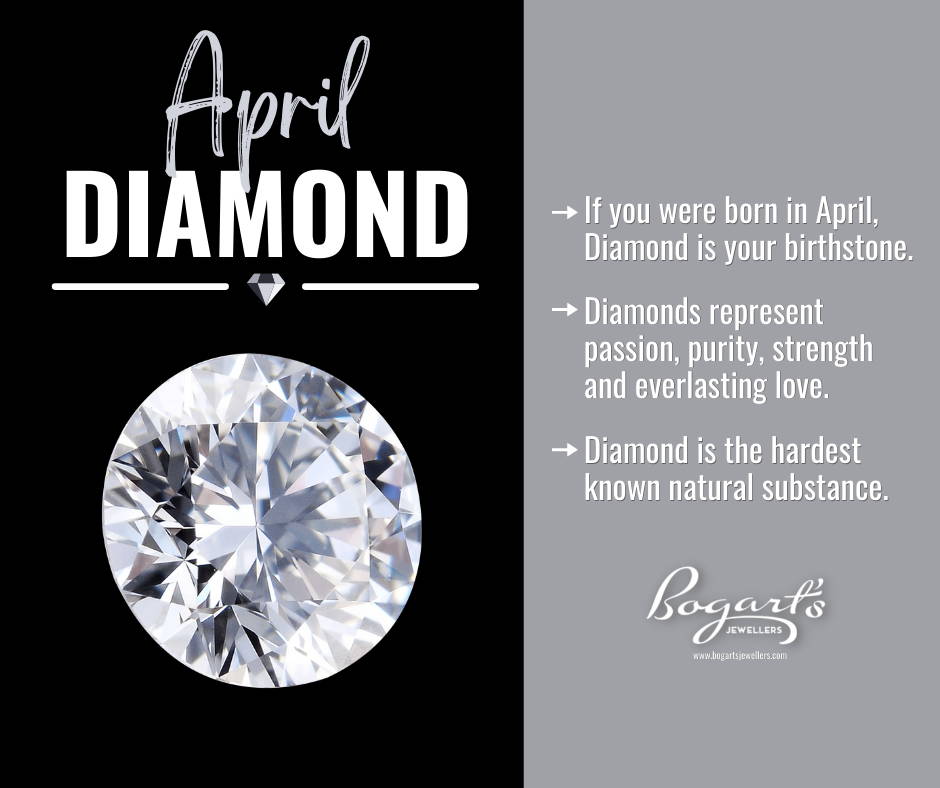
The April birthstone, the diamond, has captivated hearts and minds for millennia. Its unparalleled brilliance and incredible hardness have made it a treasured possession throughout history. For April celebrants, wearing a diamond is more than a fashion statement; it’s a connection to timeless traditions and powerful symbolism. Understanding the April birthstone meaning allows us to appreciate this gem not just for its physical beauty but also for the deep emotional and spiritual significance it holds.
A Glimpse into Diamond’s Rich History and Lore
Diamonds have a fascinating history, stretching back to ancient India where they were first discovered and revered. Early cultures believed diamonds were tears of the gods or splinters from fallen stars, bestowing courage and strength upon their wearers. The word ‘diamond’ itself comes from the Greek ‘adamas,’ meaning ‘invincible’ or ‘unbreakable,’ a testament to its legendary durability. Throughout the ages, diamonds adorned royalty, symbolized power, and were believed to offer protection and bring good fortune. My grandmother always told me that wearing a diamond was like carrying a piece of forever, a sentiment that truly captures its enduring spirit.
Symbolism That Shines Bright: Purity, Love, and Eternity
The April birthstone meaning is primarily centered around its powerful symbolism. Diamonds are universally recognized as symbols of purity and innocence. Their clear, unblemished appearance often represents clarity of thought and new beginnings. But perhaps most famously, diamonds are the ultimate emblem of eternal love and commitment. This is why they are the traditional choice for engagement rings, signifying a bond that is as strong and enduring as the stone itself. Beyond romance, diamonds also symbolize inner strength, courage, and invincibility, empowering those who wear them to overcome challenges with resilience.
Unveiling the Science Behind Diamond’s Brilliance
What makes a diamond so special? It’s not just its beauty, but its unique physical properties. A diamond is the hardest natural substance on Earth, scoring a perfect 10 on the Mohs scale of mineral hardness. This incredible durability makes it resistant to scratches, ensuring its longevity as a cherished heirloom. Its high refractive index and dispersion are responsible for its dazzling sparkle, known as brilliance and fire. These scientific marvels contribute to the diamond’s reputation as a truly extraordinary gemstone.
The Four Cs: Your Guide to Diamond Quality
Understanding the value and beauty of a diamond often comes down to the “Four Cs”: Cut, Color, Clarity, and Carat weight. These characteristics are universally recognized standards established by organizations like the GIA (Gemological Institute of America) to assess diamond quality. When I was learning about gemstones, grasping the nuances of the Four Cs was an eye-opener, revealing the intricate artistry and science behind each stone.
Cut: The Art of Sparkle and Brilliance
The cut of a diamond is arguably the most crucial factor influencing its beauty and sparkle. It refers not to the shape of the diamond (like round or princess) but to how well its facets interact with light. An expertly cut diamond will maximize its brilliance (white light reflection), fire (dispersion of light into spectral colors), and scintillation (flashes of light and dark areas as the diamond moves). A poor cut, even on a high-quality raw stone, can make a diamond appear dull. This is where a skilled diamond cutter truly makes magic, transforming a rough stone into a masterpiece of light.
Color: The Spectrum of White Diamonds
When we talk about the color of a white diamond, we’re actually referring to the absence of color. The GIA color scale ranges from D (colorless) to Z (light yellow or brown). D-grade diamonds are the rarest and most valuable, prized for their exceptional transparency. However, near-colorless diamonds (G-J grades) can still appear white to the untrained eye and offer excellent value. My first diamond engagement ring was a G-color, and it sparkled beautifully without breaking the bank. It’s a reminder that beauty comes in many forms within this spectrum.
Clarity: Nature’s Unique Fingerprint
Clarity refers to the absence of inclusions (internal characteristics) and blemishes (external characteristics) in a diamond. Most diamonds have tiny imperfections, often invisible to the naked eye. The GIA clarity scale ranges from Flawless (FL), meaning no inclusions or blemishes visible under 10x magnification, to Included (I1, I2, I3), where inclusions are visible to the naked eye. While flawless diamonds are exceedingly rare and expensive, many diamonds with slight inclusions (VS1, VS2, SI1, SI2) still present incredible beauty without compromising durability or brilliance.
Carat: The Weight of a Diamond
Carat (ct) is the standard unit of weight for diamonds and other gemstones. One carat is equal to 200 milligrams. It’s important to remember that carat weight primarily indicates size, but it doesn’t solely determine a diamond’s value or beauty. A larger carat diamond with a poor cut, color, or clarity may be less valuable or less visually appealing than a smaller diamond with excellent grades in the other three Cs. Often, I’ve seen clients prioritize a balanced combination of the Four Cs rather than just chasing the largest carat weight.
To help visualize these crucial factors, here’s a quick overview of the 4Cs:

| Characteristic | Description | Key Impact on Appearance |
|---|---|---|
| Cut | How well a diamond’s facets interact with light. | Brilliance, fire, scintillation (overall sparkle). |
| Color | The absence of color in a white diamond (D-Z scale). | How white or yellow the diamond appears. |
| Clarity | Absence of inclusions (internal) and blemishes (external). | The presence or absence of tiny natural imperfections. |
| Carat | The unit of weight for a diamond. | The perceived size of the diamond. |
Choosing Your Perfect April Birthstone Diamond
Selecting a diamond can be an exciting yet daunting experience. Whether it’s for an April birthday gift, an engagement ring, or a personal indulgence, there are several factors to consider beyond just the Four Cs. I always advise my friends to start by setting a budget and then prioritizing which of the Four Cs is most important to them. Do you want the largest stone, or is absolute colorless perfection your priority?
Budgeting for Brilliance: Making Smart Choices
Diamonds come in a wide range of prices, influenced by their unique combination of the Four Cs. Setting a clear budget before you start shopping will help narrow down your options significantly. Remember, you don’t always need a perfect D Flawless diamond to get stunning beauty. Often, a well-cut diamond with a G or H color and VS2 or SI1 clarity can offer incredible sparkle and value, especially if purchased from a reputable jeweler. It’s about finding the right balance that suits your financial comfort and aesthetic preferences.
Certification: Your Guarantee of Quality and Value
When purchasing a diamond, always look for independent certification from highly respected gemological laboratories. The GIA (Gemological Institute of America) and AGS (American Gem Society) are the most trusted names in diamond grading. A detailed grading report from one of these authorities provides an unbiased assessment of your diamond’s characteristics, including its specific grades for cut, color, clarity, and carat weight. This report is your assurance of quality and helps confirm the diamond’s authenticity and value. Never buy a significant diamond without one; it’s like buying a car without a title.
Ethical Sourcing: Diamonds with a Clear Conscience
In today’s world, the ethical sourcing of diamonds is more important than ever. The term “conflict diamonds” refers to diamonds that are mined in war zones and sold to finance armed conflicts. Reputable jewelers and suppliers adhere to the Kimberley Process, an international certification scheme that prevents conflict diamonds from entering the legitimate diamond market. Always inquire about the origin of your diamond and choose a retailer committed to ethical and responsible sourcing. This ensures your beautiful gem carries a clear conscience along with its sparkle.
Caring for Your April Birthstone: Keeping it Radiant
Diamonds are durable, but they still require proper care to maintain their dazzling appearance. Regular cleaning and careful handling will ensure your April birthstone continues to sparkle for generations. I’ve seen many beautiful pieces lose their luster simply because they weren’t cleaned regularly, so a little effort goes a long way.
Everyday Care and Cleaning Tips
- Gentle Cleaning: The best way to clean your diamond jewelry at home is with a soft brush (like a toothbrush), warm water, and a mild dish soap. Gently scrub the diamond and its setting to remove dirt and oils.
- Avoid Harsh Chemicals: Keep your diamond away from chlorine bleach, household cleaners, and other harsh chemicals, as these can damage the metal setting, even if they don’t harm the diamond itself.
- Regular Professional Check-ups: Take your diamond jewelry to a professional jeweler for cleaning and inspection at least once a year. They can check the security of the setting and perform a thorough cleaning.
Storing Your Diamond Jewelry Safely
Because diamonds are so hard, they can scratch other jewelry items, including other diamonds! Always store your diamond jewelry separately in a fabric-lined jewelry box or soft pouch. This prevents scratches and keeps your precious pieces in pristine condition. Preventing tangles and scratches is key to preserving their beauty. I learned this the hard way after a necklace got scratched by a loose earring in my jewelry box.
Beyond the White Diamond: A World of Color and Alternatives
While white diamonds are the classic April birthstone, it’s worth noting that diamonds also come in a stunning array of natural colors, known as “fancy color diamonds.” These include vibrant yellows, blues, pinks, reds, and even greens, each with its own rarity and allure. However, for those seeking an alternative to the traditional diamond, especially considering budget or personal preference, rock crystal quartz has historically been considered an alternative April birthstone. While not as brilliant or hard as a diamond, rock crystal is a beautiful, clear gemstone often associated with clarity and healing properties.
Rock Crystal: An Historical April Alternative
Historically, before diamonds became widely accessible, clear quartz, or rock crystal, was sometimes used as an April birthstone. Rock crystal is a transparent variety of quartz known for its purity and glassy appearance. It was believed to bring protection, clarity of mind, and healing. While it doesn’t possess the same fire and brilliance as a diamond, its serene beauty offers a different kind of charm and is significantly more affordable. It represents a simpler, yet equally meaningful, connection to nature’s beauty for those born in April.
The Enduring Significance of Your April Birthstone
Whether you’re celebrating a birthday, an anniversary, or simply cherishing its timeless beauty, the diamond as the April birthstone carries a profound and rich history. Its symbolism of purity, unwavering strength, and eternal love makes it more than just a beautiful gem; it’s a powerful emblem of enduring qualities. From its fiery brilliance to its remarkable durability, the diamond truly embodies the spirit of those born in April – resilient, radiant, and deeply cherished. Owning a diamond is like holding a piece of eternity in your hand, a constant reminder of life’s most precious values.

Frequently Asked Questions
What is the primary April birthstone and its main meaning?
The primary April birthstone is the diamond. Its main meanings include purity, eternal love, invincibility, and strength. It symbolizes enduring relationships and resilience, making it a powerful and cherished gem.
What are the ‘Four Cs’ and why are they important when choosing a diamond?
The ‘Four Cs’ stand for Cut, Color, Clarity, and Carat weight. They are the universal standards used to assess the quality and value of a diamond. Understanding them helps consumers make informed decisions, ensuring they choose a diamond that balances beauty, quality, and budget.
How should I care for my diamond jewelry to maintain its brilliance?
To care for your diamond jewelry, clean it regularly with warm water, mild dish soap, and a soft brush. Avoid harsh chemicals and store it separately from other jewelry to prevent scratches. Professional cleaning and inspection by a jeweler once a year are also recommended.
Are there any alternative April birthstones besides diamond?
While the diamond is the modern and traditional April birthstone, historically, rock crystal (a clear variety of quartz) was also considered an alternative. Rock crystal is associated with clarity, healing, and protection, offering a more affordable option with a different aesthetic.