Welcome, fellow nature enthusiasts, to your comprehensive December 2026 Nature Observation Guide! As the days grow shorter and the air turns crisp, December unveils a uniquely tranquil and often breathtaking side of the natural world. Far from being a dormant period, this month offers incredible opportunities for quiet discovery, from tracking elusive wildlife in a fresh blanket of snow to marveling at the brilliant tapestry of winter constellations under incredibly dark skies. Join me as we prepare to explore the subtle yet profound beauty that winter brings, connecting deeply with the rhythms of our planet.

Understanding December’s Natural Canvas
December ushers in a distinctive transformation across our landscapes. The vibrant greens of summer and the fiery hues of autumn recede, giving way to a more subdued palette. This shift, however, reveals intricate details often overlooked during busier seasons.
The Quiet Transformation of Landscapes
Bare tree branches sketch delicate patterns against pale skies. The ground, often softened by fallen leaves or a dusting of snow, presents a fresh canvas. This quiet beauty invites a slower, more contemplative pace of observation.
Look for the structural elegance of trees. Their bare forms truly highlight their unique shapes and branching habits. It is a fantastic time for botanical identification without the clutter of foliage.
Winter Wildlife Resilience: How Animals Adapt
Many creatures brave the winter months with remarkable adaptations. Some migrate to warmer climates, while others enter periods of hibernation or torpor. A fascinating group, however, remains active, showcasing incredible survival strategies.

You can observe changes in their diet and behavior. Many animals grow thicker coats or change their fur color. Understanding these adaptations deepens our appreciation for their tenacity.
Identifying Evergreen Trees: A Splash of Green
While deciduous trees shed their leaves, evergreens stand as steadfast beacons of green. Pines, spruces, firs, and cedars become particularly prominent in the winter landscape. Learning to distinguish them adds a rich layer to your observations.
Pay attention to needle length, cone shape, and bark texture. Each species has its unique characteristics. Their vibrant presence provides vital shelter and food for winter wildlife.
The Role of Frost and Snow
Frost and snow are nature’s sculptors in December. A frosty morning can transform a familiar scene into a sparkling wonderland. Snowfall creates a pristine, hushed environment, perfect for revealing hidden stories.
Frost on branches creates ephemeral art. Snow provides a clear record of animal movements. It also acts as insulation, protecting delicate plants and burrowing animals.
Wildlife Watching in December 2026
December offers unique opportunities for wildlife encounters. With fewer leaves obstructing views, observations can be more rewarding. Patience and quiet movement are your best allies.
Birding Adventures: Migratory and Resident Species
Winter birding is a true joy. Many northern species migrate south, bringing new visitors to your area. Resident birds, too, become more visible as they forage for food.
Look for hardy species like juncos, chickadees, and nuthatches. Waterfowl gather on unfrozen ponds and rivers. Keep an eye out for larger raptors like rough-legged hawks.
Optimizing Bird Feeder Activity: Attracting Feathered Friends
A well-maintained bird feeder can be a lifeline for birds in winter. It also provides fantastic observation opportunities right from your window. Offer a variety of seeds, suet, and fresh water.
Clean feeders regularly to prevent disease. Place feeders where birds feel safe from predators. This simple act can bring immense joy and learning.
Tracking Animal Signs in Snow: Decoding Nature’s Footprints
Fresh snow is like an open book, revealing the secret lives of animals. Learning to interpret tracks, trails, and other signs is a thrilling aspect of winter observation. You become a detective of the wild.
Look for patterns of movement. A bounding rabbit leaves a distinctive trail. A deer’s hooves show direction and gait. Even subtle marks tell a story.
Mammal Tracks: Deer, Rabbit, Fox
Deer tracks are often heart-shaped. Rabbit tracks show larger hind feet landing in front of smaller front feet. Fox tracks are usually straight and purposeful, often appearing as a single line of prints.
Identifying these tracks helps you understand which animals are active in your area. It connects you to their daily routines. Each print is a moment captured in time.
Scat and Browse Marks
Beyond tracks, look for scat (animal droppings) and browse marks on plants. Scat can tell you about an animal’s diet. Gnaw marks on twigs or tree bark indicate feeding activity.
Deer often leave ragged browse marks on twigs. Rabbits make clean, angular cuts. These subtle clues paint a fuller picture of the winter ecosystem.
Understanding Nocturnal Wildlife: When the World Sleeps
While many animals are dormant, some thrive under the cover of darkness. December’s long nights offer an excellent chance to observe or hear nocturnal creatures. Owls, coyotes, and various small mammals are active.
Listen for the hoot of an owl or the distant howl of a coyote. Look for the glint of eyes in your flashlight beam. Remember to move quietly and respectfully.
Owls, Voles, and Subtle Sounds
Great horned owls are often vocal in winter. Voles and mice tunnel under the snow, creating intricate networks. Their presence supports a variety of predators.
The night reveals a different symphony of sounds. The rustle of dry leaves, the soft crunch of snow, and the calls of unseen creatures become amplified. It’s a truly immersive experience.
Stargazing & Celestial Wonders of December 2026
December skies are often among the clearest and darkest of the year. The long nights provide extended opportunities to gaze upon the universe. It is a spectacular time for astronomy enthusiasts.
The Magic of Dark Winter Skies
Cold air holds less moisture, leading to crisper views of the stars. With fewer leaves on trees, your lines of sight are often improved. Bundling up is a small price to pay for such celestial beauty.
Venture away from city lights if possible. The difference in sky darkness is profound. A truly dark sky reveals countless stars and even the faint glow of the Milky Way.
Light Pollution Challenges and Solutions
Light pollution remains a challenge for stargazers. Even small amounts of artificial light can obscure fainter objects. Seek out designated dark sky preserves or remote locations.
When observing in your backyard, turn off unnecessary outdoor lights. Allow your eyes at least 20-30 minutes to adapt to the dark. Use a red-light flashlight to preserve your night vision.
Key Celestial Events: Geminid Meteor Shower and Beyond
December is renowned for one of the most reliable and spectacular meteor showers: the Geminids. Originating from asteroid 3200 Phaethon, these meteors are often bright and plentiful. This makes it a highlight of the December 2026 Nature Observation Guide.
The Geminids typically peak around mid-December. Look for them after midnight, away from city lights. The moon phase in 2026 will be crucial for optimal viewing, so check a specific astronomy calendar closer to the date.
Planning December Stargazing Trips: Best Dates and Times
Beyond meteor showers, plan observations around new moon phases for maximum darkness. Clear, still nights offer the best conditions. Check local weather forecasts for cloud cover and temperature.
Consider going out during the coldest parts of the night. This is when the air is often most stable. Early evening or pre-dawn hours can also be rewarding for specific celestial phenomena.
Planetary Alignments and Moon Phases
Keep an eye on planetary movements throughout December 2026. Sometimes, planets appear close together in the sky, creating beautiful conjunctions. The moon’s phases also offer varied observing experiences.
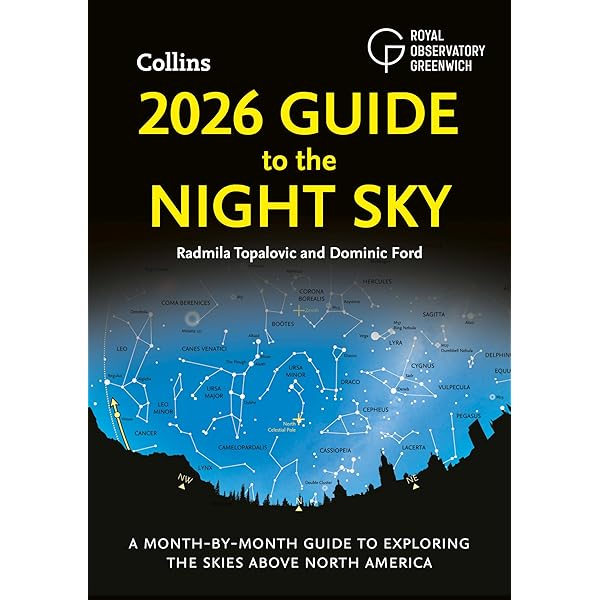
A crescent moon offers stunning views of craters and mountains along the terminator line. A full moon, while bright, illuminates the landscape beautifully. Always consult an up-to-date sky chart or astronomy app.
Navigating Winter Constellations
The winter sky is home to some of the most recognizable and striking constellations. Learning to identify these stellar patterns is a rewarding skill. They act as signposts in the vast celestial sphere.

Orion the Hunter dominates the winter sky. Its bright stars Betelgeuse and Rigel are easy to spot. Follow Orion’s belt to find other famous constellations.
Orion, Taurus, Canis Major
Orion leads you to Taurus, with its distinctive V-shaped Hyades cluster and the bright red giant Aldebaran. Also, locate the Pleiades, a beautiful open star cluster. Sirius, the brightest star in the night sky, gleams in Canis Major, Orion’s faithful hunting dog.
These constellations hold rich mythology and are a joy to find. They provide a foundational understanding of the winter sky. Practice identifying them in a dark location.
Essential Gear and Preparation for Your December Outings
Being well-prepared is key to enjoying your winter nature observations. The right gear ensures comfort and safety, allowing you to focus on the wonders around you.
Staying Warm and Safe
Cold weather demands careful layering. Start with a moisture-wicking base layer, add insulating middle layers, and finish with a waterproof and windproof outer shell. Protect your extremities with warm hats, gloves or mittens, and insulated boots.
Always bring more warm clothing than you think you will need. A hot drink in a thermos is a true luxury. Inform someone of your plans, especially if venturing into remote areas.
Safe Winter Hiking Tips: Navigating Icy Terrain
Winter trails can be slippery and unpredictable. Wear appropriate footwear with good traction. Consider using trekking poles for added stability, especially on uneven or icy ground.
Be aware of daylight hours; winter days are short. Carry a headlamp or flashlight, even for daytime excursions. Stick to marked trails and avoid venturing onto frozen bodies of water unless absolutely certain of their safety and thickness.
Best Binoculars for Nature Observation and Other Equipment
Binoculars are arguably the most versatile piece of equipment for both wildlife and stargazing. A good pair can bring distant objects into sharp focus. Look for models with 8x or 10x magnification and a 42mm objective lens for a good balance of power and light gathering.
For deeper celestial views, a telescope is invaluable. A sturdy tripod is essential for steady observations. Don’t forget a camera to capture those memorable moments.
Telescopes, Cameras, Field Guides
A beginner-friendly telescope can open up incredible views of the moon, planets, and even some nebulae. Digital cameras, especially those with good low-light capabilities, can capture stunning astrophotography. Always carry relevant field guides for identifying birds, plants, and tracks.
A reliable compass or GPS device is also useful. Pack snacks and water to stay energized. A small notebook and pencil are perfect for jotting down observations and thoughts.
Ethical Observation Practices
Respect for nature and its inhabitants is paramount. Always maintain a safe distance from wildlife. Never feed wild animals, as it can harm their natural behaviors and health.
Minimize your impact on the environment. Stay on marked trails to avoid disturbing delicate habitats. The principle of ‘leave no trace’ should guide all your outdoor adventures.
Ethical Nature Photography: Minimizing Disturbance
When photographing wildlife, prioritize the animal’s well-being over the perfect shot. Use long lenses to get close-up images from a distance. Avoid sudden movements or loud noises that might startle creatures.
Never bait animals for a photo. Be mindful of nesting or denning sites. Your presence should enhance, not disrupt, the natural world.
Connecting with Nature: More Than Just Observing
Nature observation in December is not just about seeing things; it’s about experiencing and connecting. It’s a chance to slow down and appreciate the subtle wonders around us. This deep connection offers profound benefits.
Mindful Exploration and Journaling
Practice mindful observation. Engage all your senses: listen to the sounds, feel the crisp air, notice the subtle scents. Let go of distractions and be fully present in the moment.
Keep a nature journal. Jot down what you see, hear, and feel. Draw sketches of birds, tracks, or constellations. This practice enhances memory and deepens your understanding.
Connecting Children with Nature in Winter: Engaging Young Minds
Winter offers wonderful opportunities to spark a child’s curiosity about nature. Simple activities like tracking animal prints, building a snowman, or identifying evergreen trees can be educational and fun. Make it an adventure.
Encourage them to ask questions and explore. Provide kid-friendly binoculars or a magnifying glass. A nature scavenger hunt can be a great way to engage their senses and attention.
Winter Solstice Reflections: A Time for Quiet Contemplation
The winter solstice, marking the shortest day of the year, is a powerful moment for reflection. It symbolizes renewal and the return of light. Take time to quietly observe the turning of the seasons.
Consider a silent walk at dawn or dusk on the solstice. Reflect on nature’s cycles and your place within them. It is a time for introspection and gratitude.
Local Nature Spots: Discovering Hidden Gems
You don’t need to travel far to find natural wonders. Explore local parks, nature reserves, or even your own backyard. Every green space holds potential for discovery.
Check with local conservation groups or park services. They often have guided walks or events specifically for winter observations. Discover the hidden gems right in your community.
December 2026 Observation Highlights
To help you plan your excursions, here’s a curated list of highlights for December 2026. Remember to check local conditions and specific dates closer to the month.
| Observation Type | Key Highlights for December 2026 | Best Time/Conditions |
|---|---|---|
| Bird Watching | Migratory waterfowl, hardy winter residents (juncos, chickadees), active feeder birds. Raptor sightings possible. | Early mornings, near water bodies, at well-stocked feeders, clear calm days. |
| Wildlife Tracking | Fresh mammal tracks (deer, fox, rabbit), scat, browse marks, evidence of nocturnal activity. | After fresh snowfall, early morning before disturbance, quiet trails. |
| Astronomy/Stargazing | Geminid Meteor Shower (peak mid-Dec), prominent winter constellations (Orion, Taurus, Canis Major), crisp planetary views. | New moon phase (early Dec) for darkest skies, clear, cold nights, after midnight for meteors. |
| Winter Flora | Evergreen trees (pines, spruces, firs), persistent berries, winter seed heads, tree bark textures, subtle mosses and lichens. | Anytime, especially after a fresh frost, quiet walks in wooded areas. |
Conclusion
December 2026 promises a season of profound natural beauty and discovery. From the intricate patterns of frost to the majestic sweep of the Milky Way, the natural world offers endless opportunities for observation and reflection. Embracing the quietude of winter allows us to forge a deeper connection with our environment and appreciate the resilience of life.
Whether you’re an experienced naturalist or a curious beginner, I encourage you to step outside, breathe the crisp air, and let the wonders of this month unfold before you. May this December 2026 Nature Observation Guide inspire you to explore, learn, and cherish the invaluable treasures of our planet.
Frequently Asked Questions
What kind of wildlife can I expect to see in December?
In December, you can typically observe resident birds like juncos, chickadees, and nuthatches, as well as various waterfowl. Keep an eye out for mammal tracks from deer, rabbits, and foxes in snow. Nocturnal animals such as owls may also be more active and vocal.
What are the best celestial events to look for in December 2026?
The highlight for December 2026 stargazing will be the Geminid Meteor Shower, which is one of the most active and reliable meteor showers of the year. Additionally, you’ll have excellent views of prominent winter constellations like Orion, Taurus, and Canis Major under dark, clear skies.
What essential gear is recommended for December nature observations?
For December observations, essential gear includes warm, layered clothing, insulated boots, hats, and gloves. Binoculars are highly recommended for both wildlife and stargazing. A headlamp with a red-light option, a thermos with a hot drink, and a nature field guide will also enhance your experience.
How can I observe nature ethically and safely in winter?
To observe ethically, maintain a respectful distance from wildlife, never feed wild animals, and practice ‘leave no trace’ principles. For safety, dress warmly in layers, inform someone of your plans, carry a light source, and be cautious of icy terrain. Always prioritize your well-being and the animals’ natural behaviors.