April, the fourth month of the year, often feels like a fresh start, a vibrant reawakening after the long slumber of winter. As someone who’s always been fascinated by the stories behind our calendar, delving into the interesting facts about April month is always a joy. From ancient Roman traditions to modern global celebrations, this month is packed with fascinating history, cultural significance, and natural wonders. It’s a time when nature truly comes alive, painting the world in shades of green and bursting with new blooms. Let’s embark on a journey to uncover the captivating stories that make April so unique.
The Ancient Roots and Naming of April
The name ‘April’ itself holds a charming secret, deeply rooted in antiquity. Understanding its origins helps us appreciate its enduring legacy as a month of emergence.
Unpacking ‘Aprilis’ from Roman Lore
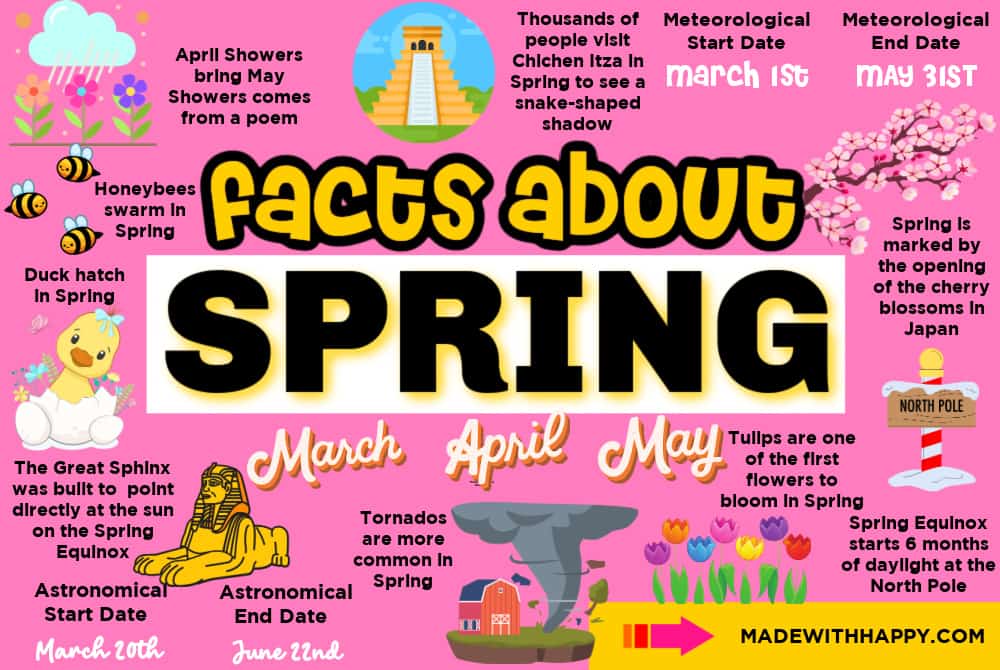
The very word ‘April’ comes from the Latin ‘Aprilis’. Many scholars believe this derives from ‘aperire’, which means ‘to open’. This makes perfect sense, doesn’t it? It perfectly describes the blossoming of flowers and the opening of new life during this spring season facts month. The Romans, with their keen observation of nature, certainly captured the essence of April with this designation. It’s a period synonymous with fertility and growth, reflecting the agricultural cycles vital to ancient societies.
April in the Early Roman Calendar
Interestingly, April was not always the fourth month. In the early Roman calendar, it was actually the second month of the year. The calendar began in March, making April a follower of the vernal equinox. Numa Pompilius is credited with adding January and February, shifting the order to what we largely recognize today. This historical tidbit shows how calendars evolve, reflecting changing societal and astronomical understanding. The history of April is intertwined with the very development of our timekeeping systems.
April’s Astrological and Natural Significance
Beyond its calendrical roots, April holds deep connections to the cosmos and the natural world. These connections enrich our understanding of its unique place in the year.
Zodiac Signs: Aries and Taurus
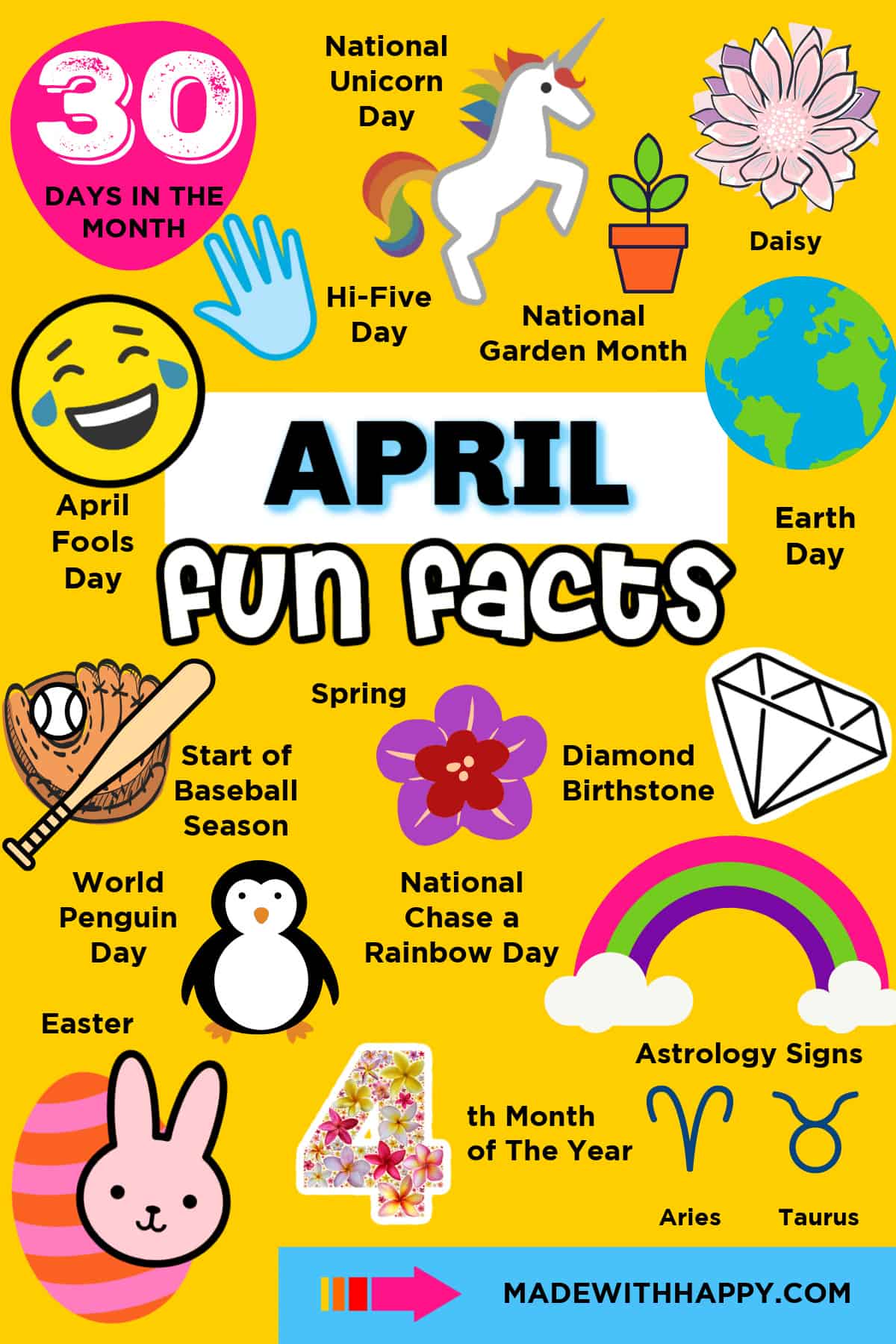
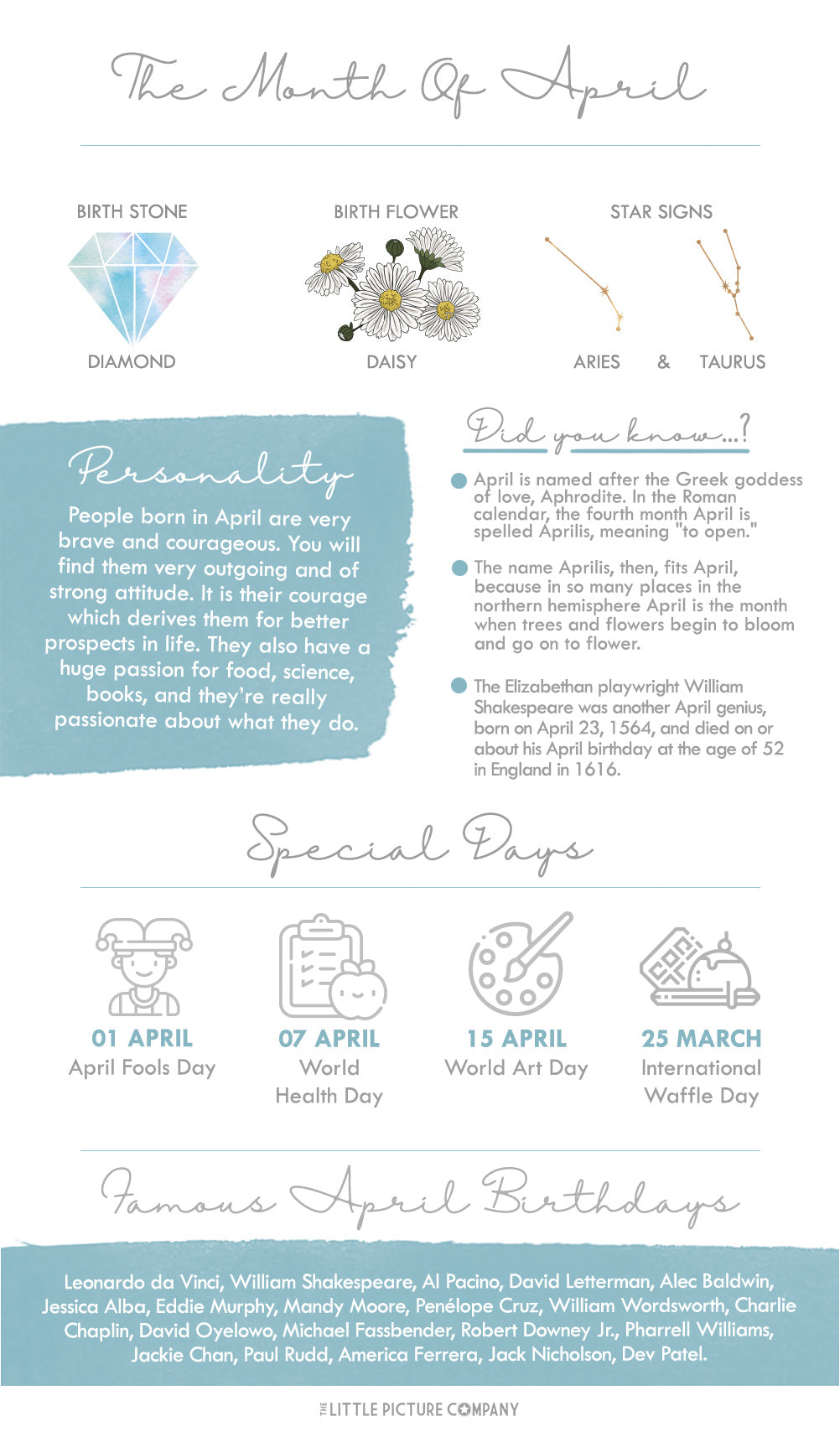
For those interested in astrology, April is a month of transition between two powerful zodiac signs. Individuals born between March 21st and April 19th fall under Aries, the first sign of the zodiac. Aries is known for its pioneering spirit, energy, and determination. Following Aries, from April 20th to May 20th, we welcome Taurus. Taurus individuals are typically known for their steadfastness, practicality, and love for beauty and comfort. These April’s zodiac signs offer a fascinating glimpse into personality traits associated with the month.
Birthstones and Birth Flowers of April
April also boasts beautiful symbols in the form of its birthstones and birth flowers. The primary birthstone for April is the diamond, a symbol of eternal love, strength, and clarity. What a magnificent gemstone to represent such a vibrant month! For those who prefer alternatives, rock crystal or sapphire are sometimes associated. The diamond birthstone facts alone could fill a book. As for birth flowers, April is represented by the daisy, symbolizing innocence and new beginnings, and the sweet pea, which conveys delicate pleasure. These lovely blossoms perfectly encapsulate the freshness and joy of spring.
“April Showers Bring May Flowers”: A Timeless Proverb
One of the most enduring phrases associated with this month is “April showers bring May flowers.” This proverb perfectly captures the essence of April’s weather patterns. While the month can bring its share of rainy days, these showers are essential. They nourish the earth, preparing it for the lush blooms and vibrant growth of May. It’s a beautiful metaphor for patience and the idea that something good often follows periods of difficulty. Understanding the April showers bring May flowers meaning deepens our appreciation for nature’s cycle.
Major Holidays and Observances in April
April is a truly diverse month when it comes to celebrations and important observances. From playful pranks to global environmental awareness, there’s a lot happening.
April Fools’ Day: A Day of Lighthearted Pranks
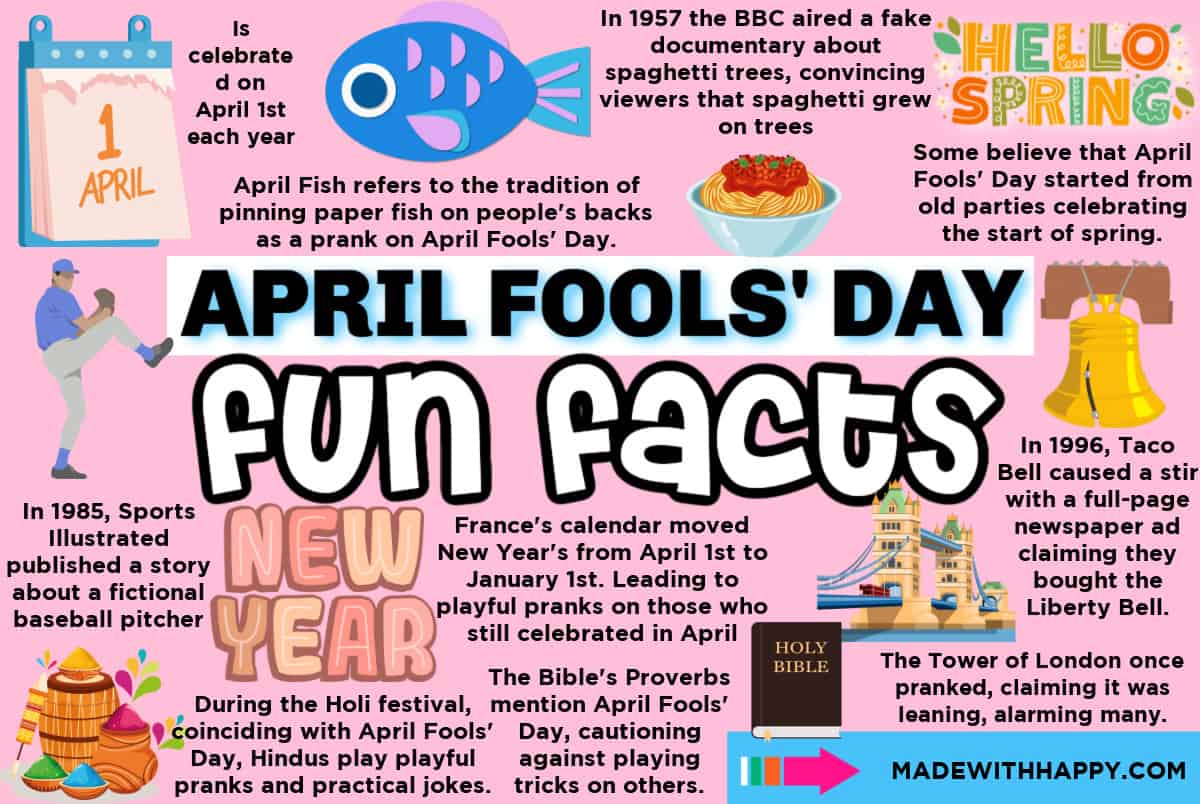
Kicking off the month with a giggle is April Fools’ Day on April 1st. The exact origins of this tradition are somewhat debated, but it’s widely believed to have emerged in the 16th century, possibly tied to calendar reform. When France shifted from the Julian calendar to the Gregorian calendar, some people continued to celebrate the new year around April 1st, leading others to play jokes on them. Today, it’s a day for harmless pranks and practical jokes, enjoyed across many cultures. These April Fools’ Day traditions remind us not to take life too seriously.
Earth Day: Championing Environmental Protection
One of the most significant observances in April is Earth Day, celebrated annually on April 22nd. First observed in 1970, Earth Day was a pivotal moment in the environmental movement. It raised global awareness about pollution and inspired action to protect our planet. Millions worldwide now participate in activities like planting trees, cleaning up communities, and advocating for environmental policies. The Earth Day importance cannot be overstated; it’s a crucial reminder of our collective responsibility to care for the Earth.
Easter: A Variable but Often April Holiday
While its date varies each year, Easter, a significant Christian holiday, frequently falls in April. This movable feast celebrates the resurrection of Jesus Christ. Its timing is determined by the lunar calendar, usually occurring on the first Sunday after the first full moon following the vernal equinox. Beyond its religious significance, Easter is often associated with spring themes like new life, eggs, bunnies, and pastel colors. The blend of ancient traditions and modern celebrations makes Easter a fascinating April holiday. Many cultures also have unique traditions around this time.
National Poetry Month and Arbor Day
April is also dedicated to celebrating the power of words and the beauty of nature. Since 1996, April has been recognized as National Poetry Month in the United States. It’s an initiative to increase the visibility and appreciation of poetry. Poets, publishers, schools, and libraries organize events to celebrate this art form. Additionally, Arbor Day, dedicated to planting trees and appreciating nature, is often observed in April. The specific date varies by state, but the message of environmental stewardship remains constant. These observances truly highlight the diverse spirit of the month.
Key Historical Events that Shaped April
April has been the stage for numerous pivotal moments throughout human history. From great tragedies to monumental achievements, its calendar pages are filled with stories of profound impact.
The Sinking of the Titanic
One of the most well-known and tragic events in history occurred in April. On April 15, 1912, the ‘unsinkable’ RMS Titanic struck an iceberg and sank in the North Atlantic Ocean. The loss of life was immense, and the event profoundly impacted maritime safety regulations and public consciousness. It serves as a stark reminder of humanity’s vulnerability in the face of nature’s power. This somber event is a significant part of significant events in April history.
End of the American Civil War
April also marks the conclusion of one of the most defining periods in American history. On April 9, 1865, Confederate General Robert E. Lee surrendered to Union General Ulysses S. Grant at Appomattox Court House, effectively ending the American Civil War. This moment paved the way for the reunification of the United States and the abolition of slavery. The repercussions of this event continue to resonate today, making it a cornerstone of historical study. It’s a powerful example of how April has hosted moments of profound change.
Other Notable April Anniversaries
Many other significant historical moments have taken place in April. For example, the North Atlantic Treaty Organization (NATO) was established on April 4, 1949, marking a crucial alliance for collective security. The legendary playwright William Shakespeare is traditionally believed to have been born on April 23, 1564, and also to have died on the same date in 1616. These anniversaries add layers of richness to the April month facts, showcasing its role in shaping global politics and culture.
April in Culture and Nature’s Calendar
Beyond specific dates, April embodies broader cultural sentiments and natural phenomena. It’s a month brimming with symbolism and seasonal beauty.
“The Cruelest Month”: A Poetic Perspective
While many associate April with joy and renewal, the famed poet T.S. Eliot presented a different, more somber perspective. In the opening lines of his masterpiece, ‘The Waste Land,’ he famously wrote, “April is the cruellest month.” This line, often quoted, refers to the painful awakening of life and memory after the dormancy of winter. It highlights the complexities of human emotion and our relationship with changing seasons. This literary reference adds a profound layer to the April’s symbolism.
The Awakening of Flora and Fauna
From a natural standpoint, April is undoubtedly a month of vigorous awakening. Trees begin to bud, migratory birds return, and countless animals emerge from hibernation. The air hums with the promise of summer, and gardens burst with tulips, daffodils, and hyacinths. This renewal and growth in April is a feast for the senses, reminding us of the planet’s incredible resilience. My own experience planting spring bulbs always makes April’s explosions of color feel like a personal triumph.
April by the Numbers: Interesting Statistics and Trivia
Numbers can tell a story too! Let’s look at some numerical fascinating April trivia and common occurrences within the month.
Average Climate Data and Daylight Hours
April marks a noticeable shift in weather patterns across the Northern Hemisphere. Temperatures generally rise, and daylight hours significantly increase. For instance, in many temperate regions, the average temperature can jump several degrees from March, and we gain many minutes of daylight each day. This increase in sunlight is vital for plant growth and positively impacts human mood and energy levels. While specifics vary by location, the general trend is consistent: more warmth, more light.
April: A Month for Birthdays and Beginnings
Given its position in the calendar, April is a popular month for birthdays, reflecting a birth surge approximately nine months after the summer months. Statistically, more babies are born in certain months, and April consistently ranks high globally. This makes sense considering spring is often associated with fertility and new life. It’s a month of many new beginnings, not just in nature but in personal journeys too.
Let’s compile some general, illustrative data:
| Fact Category | Detail/Statistic |
|---|---|
| Days in April | 30 days |
| Etymological Origin | Latin ‘aperire’ (to open) |
| Northern Hemisphere Avg. Temp Increase (Mar to Apr) | Typically 5-10°C (10-18°F) |
| Daylight Hours Gain (Apr 1 to Apr 30, mid-latitudes) | Approx. 1.5 – 2 hours |
| Major Global Observances | April Fools’ Day, Earth Day, Easter (often) |
| Significant Historical Event Example | Titanic Sinking (April 15, 1912) |
These figures only scratch the surface, but they give us a tangible sense of April’s unique characteristics. Every year, these patterns repeat, lending the month its predictable yet enchanting rhythm.
The Enduring Appeal of April
April truly holds a special place in the year, balancing historical gravity with lighthearted celebrations and the profound beauty of nature’s rebirth. From the ancient Roman desire for things to ‘open’ to the modern call for environmental stewardship, this month encapsulates a vast spectrum of human experience and natural wonder. For me, the sight of the first green shoots and the sound of birdsong after winter’s quiet are always a deeply moving reminder of life’s perpetual cycle. These interesting facts about April month remind us that every moment of the calendar has a story to tell, urging us to embrace the vibrancy and renewal it brings.