As we step into a new year, the month of January always holds a special significance, not just for personal resolutions, but for global solidarity. January 2026 International Observances offer a powerful opportunity for individuals, communities, and nations alike to reflect, learn, and act on critical global issues. These designated days, often championed by the United Nations and other international bodies, serve as vital reminders of shared challenges and collective aspirations.
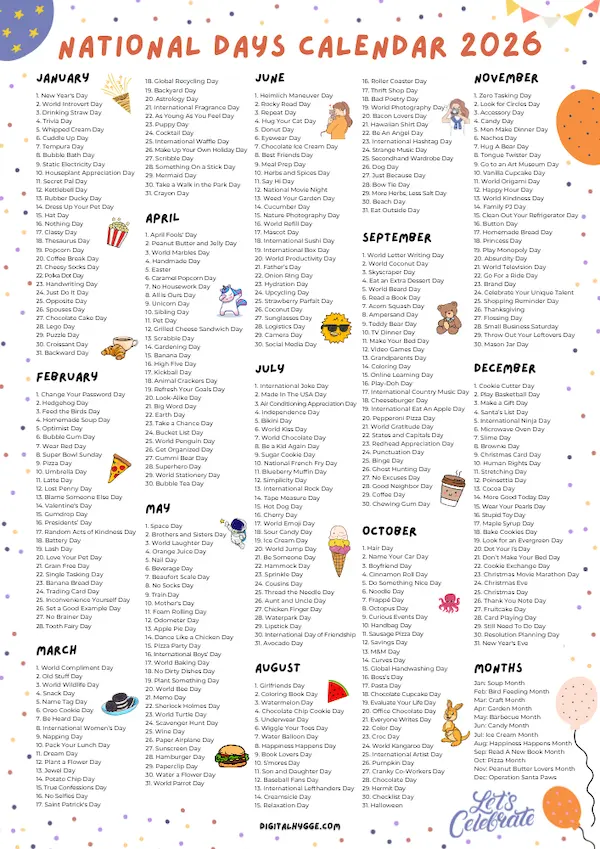
Preparing for these observances allows us to join a worldwide conversation, fostering greater understanding and driving meaningful change. From promoting peace and human rights to advocating for health and environmental stewardship, each day carries a unique message, urging us to look beyond our immediate surroundings and embrace our role as global citizens. Let’s explore the key international observances slated for January 2026 and discover how we can contribute to their powerful missions.
Understanding the Significance of International Observances
International observances are more than just dates on a calendar; they are catalysts for global action and awareness. They bring critical global issues into the spotlight, encouraging dialogue and collaboration across borders. These days are often established through resolutions by intergovernmental organizations like the United Nations, reflecting a consensus on the importance of addressing specific challenges.
Why These Days Matter for Global Solidarity
Every observance provides a platform for education and advocacy. For example, days dedicated to peace or human rights help reinforce fundamental principles that underpin harmonious societies. They allow us to collectively acknowledge suffering, celebrate achievements, and commit to a better future. When we observe these days, we join a global community united by a common purpose, strengthening the fabric of international cooperation.
These observances are particularly crucial for raising public awareness about complex issues that might otherwise remain unseen or misunderstood. They offer opportunities for governments, non-governmental organizations (NGOs), civil society groups, and individuals to launch campaigns, organize events, and disseminate information. This coordinated effort amplifies messages and mobilizes resources towards achieving shared goals, such as the Sustainable Development Goals (SDGs).
Key January 2026 International Observances: A Detailed Look
January sets a powerful tone for the year with several significant international days. Each offers a unique focus, inviting different forms of engagement and reflection. Understanding their origins and objectives is the first step towards meaningful participation.
January 1st: Global Family Day
Often overlooked amidst New Year’s celebrations, Global Family Day serves as a day of peace and sharing, emphasizing the idea of the Earth as a single global family. Proclaimed by the UN, it encourages people worldwide to come together, reflect on their shared humanity, and commit to peaceful coexistence. It’s a call for empathy and understanding, reminding us that despite our differences, we are all interconnected members of a larger family.
This observance encourages acts of kindness, reconciliation, and building bridges between cultures and communities. It’s an opportunity to start the year with a focus on unity and mutual respect, foundational elements for tackling any global challenge.
January 4th: World Braille Day
Commemorating the birth of Louis Braille, the inventor of Braille, World Braille Day highlights the importance of Braille as a means of communication for people who are blind or partially sighted. Recognized by the United Nations, this day promotes the human rights of people with visual impairments, particularly in the realm of communication and literacy. It underscores the critical role of accessible formats in ensuring full participation in society.
This day advocates for inclusive education, employment, freedom of expression and opinion, and social inclusion. It’s a powerful reminder that accessibility is not just about physical infrastructure but also about information and communication. Organizations globally use this day to raise awareness about Braille’s significance and the ongoing need to support the rights of persons with disabilities.
January 24th: International Day of Education
Education is a fundamental human right and a cornerstone for sustainable development. The International Day of Education, proclaimed by the United Nations General Assembly, celebrates the role of education for peace and development. It calls for quality education for all, emphasizing its transformative power in eradicating poverty, fostering gender equality, and building resilient societies.
The theme for this day often revolves around global efforts to make education more inclusive, equitable, and relevant to the needs of the 21st century. It’s a day for governments to renew commitments, for educators to inspire, and for communities to advocate for stronger educational systems. Investing in education is investing in the future of humanity.
January 27th: International Holocaust Remembrance Day
The International Holocaust Remembrance Day commemorates the victims of the Holocaust, a genocide perpetrated by the Nazi regime during World War II. This solemn day, established by the UN General Assembly, serves as a crucial reminder of the dangers of hatred, prejudice, and genocide. It urges us to remember the past, honor the victims, and reaffirm our commitment to human rights and prevention of future atrocities.

Observances often include remembrance ceremonies, educational programs, and discussions aimed at combating antisemitism, racism, and other forms of intolerance. It is a vital day for education, ensuring that future generations learn from history and stand up against injustice. The message is clear: never again.
Planning for Engagement: How to Participate in January 2026 Observances
Active participation in international observances amplifies their impact. Whether you’re an individual, part of a school, an NGO, or a government entity, there are numerous ways to contribute.
For Individuals and Families
- Educate Yourself: Learn about the specific themes and history behind each observance. Utilize official UN resources or reputable educational platforms.
- Share Information: Use social media to spread awareness about these days. Post factual information, thought-provoking questions, or personal reflections using relevant hashtags.
- Engage in Discussion: Talk to friends, family, and colleagues about the issues highlighted. Promote respectful dialogue and understanding.
- Support Related Causes: Consider donating to charities or NGOs working on issues aligned with the observances, such as organizations supporting education, disability rights, or human rights.
For Schools and Educational Institutions
- Curriculum Integration: Incorporate topics related to international observances into lessons. For example, discuss the history of Braille on World Braille Day or the UN’s role on Global Family Day.
- Organize Events: Host school assemblies, workshops, or art competitions themed around peace, education, or human rights. Invite guest speakers who are experts in these fields.
- Awareness Campaigns: Create posters, digital campaigns, or school newsletters to highlight the significance of these days. Encourage student participation in developing these materials.
For Organizations and Communities
- Host Public Events: Organize webinars, seminars, film screenings, or cultural events that delve deeper into the themes of the observances.
- Advocacy and Policy Influence: Use the observances as an opportunity to advocate for policy changes or increased funding for relevant programs at local, national, or international levels.
- Partnerships: Collaborate with other NGOs, local government bodies, or community groups to maximize reach and impact. Joint campaigns often yield stronger results.
- Media Outreach: Engage with local and national media to amplify messages and encourage broader public engagement. Prepare press releases and media kits.
The Impact of Collective Action: Case Studies and Statistics
The power of international observances lies in their ability to mobilize collective action. Over the years, countless initiatives have sprung from these designated days, leading to tangible improvements globally. From increased literacy rates to stronger human rights protections, the ripple effect is undeniable.
For instance, campaigns around the International Day of Education have spurred governments to allocate more resources to schooling, especially in developing regions. Similarly, World Braille Day has led to greater production of Braille materials and improved access to assistive technologies for visually impaired individuals. The solemn observance of International Holocaust Remembrance Day continues to inform global efforts to combat all forms of discrimination and promote tolerance through educational programs and cultural exchanges.
Understanding the Reach of Global Awareness Days
Here’s a snapshot of the potential reach and impact that these global awareness days can have, demonstrating the importance of continued engagement:
| Observance (January 2026 Focus) | Projected Global Reach (Audience Engaged) | Key Impact Area | Example of Action |
|---|---|---|---|
| Global Family Day | Millions via social media & community events | Peace, Unity, Intercultural Dialogue | Community potlucks, online peace pledges |
| World Braille Day | Hundreds of thousands in educational & advocacy settings | Accessibility, Literacy for the Blind, Human Rights | Braille workshops, distribution of accessible materials |
| International Day of Education | Billions indirectly, millions directly in schools & policy | Quality Education, Sustainable Development, Peace | Policy debates, school campaigns, teacher recognition |
| International Holocaust Remembrance Day | Millions through memorials, media & educational programs | Remembrance, Combating Hate, Human Rights Protection | Candlelight vigils, survivor testimonies, museum exhibits |
The Role of Technology in Amplifying Observances
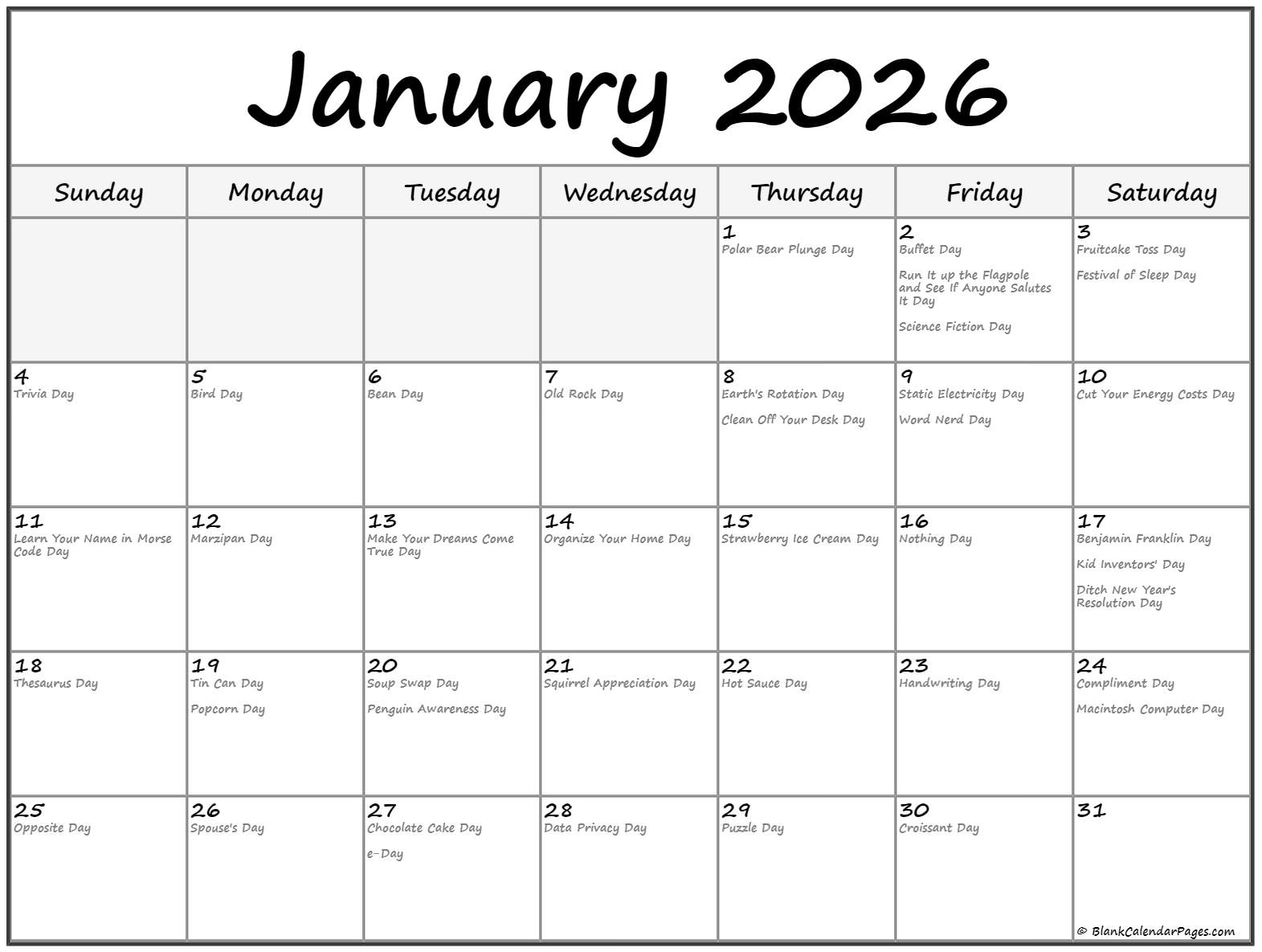
In our increasingly digital world, technology plays a crucial role in amplifying the messages of international observances. Social media platforms, dedicated websites, and online campaigns have significantly extended the reach of these events beyond traditional media. This digital outreach allows for instantaneous global participation and information sharing.
Digital Engagement Strategies for Maximum Impact
- Hashtag Campaigns: Creating and promoting unique, concise hashtags allows for global aggregation of discussions and content related to each observance.
- Live Streaming: Hosting or sharing live streams of key events, speeches, and discussions enables remote participation from anywhere in the world.
- Interactive Content: Quizzes, polls, and infographics can make complex issues more accessible and engaging for a broader audience.
- Collaborative Platforms: Online forums and platforms can facilitate discussions and partnerships between organizations and individuals globally, leading to coordinated efforts.
- Educational Resources: Websites dedicated to observances often provide free educational materials, toolkits, and guides, making it easier for educators and advocates to get involved.
By leveraging these digital tools, we can transform global observances from isolated events into dynamic, continuous conversations that resonate with diverse audiences. The goal is to move beyond mere acknowledgment to sustained engagement and action.
Looking Ahead: The Long-Term Vision of International Days
While each observance focuses on a specific day, their true impact is realized through sustained efforts throughout the year. The designated day serves as a focal point, a reminder to renew commitments and invigorate ongoing initiatives. The vision is not just to mark a date, but to embed the principles and goals of these observances into our daily lives and policies.

Integrating Observance Principles into Daily Life and Policy
For example, the principles of peace promoted on Global Family Day should ideally guide our interactions every day. The push for accessibility on World Braille Day should translate into tangible policy changes and universal design principles in all sectors. The commitment to quality education on the International Day of Education requires continuous investment and reform. And the lessons of remembrance from International Holocaust Remembrance Day must inform our constant vigilance against hatred and discrimination.
The United Nations and its specialized agencies continually work with member states to translate the spirit of these observances into concrete programs and legislative frameworks. This long-term engagement is what truly moves the needle on global issues, demonstrating that a single day can inspire a year-round commitment to change.
Conclusion
The January 2026 International Observances offer us all a valuable starting point for a year of global awareness and action. From celebrating our shared humanity on Global Family Day to advocating for literacy on World Braille Day, championing education, and solemnly remembering the past on International Holocaust Remembrance Day, each occasion calls for our collective attention and participation. By actively engaging with these important dates, we not only broaden our own understanding but also contribute to a worldwide movement towards a more peaceful, equitable, and sustainable future. Let’s make January 2026 a month of meaningful engagement and a catalyst for positive change throughout the year.
Frequently Asked Questions
What is the primary purpose of international observances in January?
The primary purpose is to raise global awareness about critical issues like peace, human rights, education, and accessibility. They serve as focal points for advocacy, education, and collective action, encouraging individuals and nations to reflect and act on shared global challenges.
How can individuals effectively participate in these January observances?
Individuals can participate by educating themselves on the themes, sharing information on social media, engaging in discussions, and supporting relevant charities. Simple acts like learning about Braille on World Braille Day or promoting peace on Global Family Day make a difference.
Which United Nations bodies are typically involved in establishing and promoting these days?
The United Nations General Assembly is primarily responsible for proclaiming international days. Specialized agencies like UNESCO (for education and culture), WHO (for health), and UNICEF (for children’s rights) are also deeply involved in promoting and coordinating activities for relevant observances.
Are there any specific themes or goals associated with the January 2026 observances?
While specific annual themes are often announced closer to the date, the core goals remain constant: Global Family Day focuses on peace and sharing; World Braille Day on accessibility and literacy for the visually impaired; International Day of Education on quality education for all; and International Holocaust Remembrance Day on remembrance and combating genocide. These align with broader UN objectives like the Sustainable Development Goals.