As an avid traveler and someone deeply fascinated by the rich tapestry of global cultures, I’ve always found immense value in understanding the various religious holidays celebrated around the world. It’s not just about marking dates; it’s about fostering respect, planning thoughtfully, and appreciating the diverse spiritual journeys of humanity. This is why having a clear, comprehensive guide like the January 2026 Religious Holidays Calendar is so incredibly useful. Whether you’re coordinating international business, planning a school curriculum, or simply curious about the spiritual pulse of the world, knowing these sacred dates can enrich your perspective.
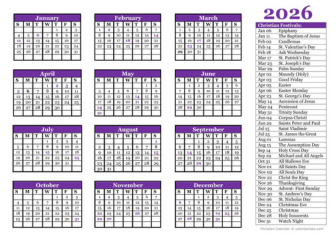
The Significance of Religious Observances in January 2026
January, for many, marks a fresh start. It’s a month of new beginnings and resolutions. However, beneath this secular veneer, the month is also punctuated by significant religious observances that hold deep meaning for millions. These spiritual events are not mere days off; they are moments of reflection, celebration, and communal gathering. Understanding them is key to promoting interfaith understanding and building a more inclusive society.
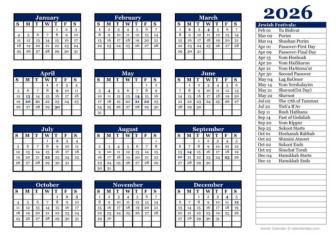
Why Track the January 2026 Religious Calendar?
There are numerous practical and ethical reasons to keep the January 2026 Religious Holidays Calendar on your radar. For individuals, it offers a chance to learn about faiths beyond their own, fostering empathy and global awareness. For organizations, it’s crucial for inclusive planning, ensuring that employees or students from various backgrounds feel acknowledged and respected. It’s also vital for international business, where ignoring holy days could lead to scheduling conflicts or misunderstandings.
- Workplace Considerations: Accommodating staff who observe specific holidays ensures fairness and boosts morale.
- Educational Planning: Schools and universities can schedule exams or major events around significant religious dates.
- Cultural Enrichment: Learning about different religious traditions broadens one’s own cultural understanding.
- Travel Planning: Being aware of local holidays can help travelers avoid closures or participate in cultural celebrations.
- Community Harmony: Recognizing diverse observances strengthens community bonds and promotes mutual respect.
Key Religious Holidays and Observances in January 2026
Let’s dive into some of the prominent religious holidays that will be observed in January 2026. It’s important to remember that some dates, particularly for faiths following lunar calendars, can vary slightly based on regional calculations or astronomical observations. However, for the Gregorian calendar, many Christian and some Hindu/Sikh dates are fixed or follow predictable patterns.
Christianity: Epiphany and the Baptism of the Lord
For Christians around the globe, January holds several significant Christian celebrations. The most prominent in early January is Epiphany. Celebrated on January 6th, Epiphany commemorates the manifestation of Jesus as the Son of God to the Gentiles, traditionally represented by the visit of the Magi. It’s a day of profound theological significance, marking the revelation of Christ to the wider world.
Following Epiphany, many Christian denominations observe the Baptism of the Lord. This holiday typically falls on the first Sunday after Epiphany, which for 2026 would likely be around January 11th. It commemorates the baptism of Jesus in the Jordan River by John the Baptist, marking the beginning of Jesus’ public ministry. Both days are observed with special church services, reflections, and often family gatherings, highlighting core tenets of the Christian faith. These are sacred dates for millions, emphasizing humility, divine revelation, and the initiation of spiritual purpose.
Judaism: Tu B’Shvat (The New Year for Trees)
While Rosh Hashanah in autumn is the Jewish New Year for people, January often brings Tu B’Shvat, the New Year for Trees. In 2026, Tu B’Shvat begins at sunset on February 2nd and concludes at nightfall on February 3rd. While technically falling slightly outside January, its preparation and the shift in season often bring it into focus towards the end of the month for planning. This Jewish holiday is a celebration of nature, environmental awareness, and the spiritual connection to the land of Israel. It’s customary to plant trees or contribute to tree-planting efforts and to eat fruits, especially those associated with Israel. It’s a beautiful reminder of our responsibility as stewards of the Earth, a theme that resonates far beyond Jewish communities.
Hinduism: Makar Sankranti/Pongal
Mid-January is a vibrant time for Hindus, particularly with the celebration of Makar Sankranti (or Pongal in South India). This Hindu festival typically falls on January 14th or 15th each year, and in 2026, it will be observed on January 14th. It marks the transition of the sun into the zodiac sign of Makara (Capricorn), signifying the end of the winter solstice and the beginning of longer days. It is a harvest festival, celebrated with immense joy and gratitude across India and by Hindu communities globally. People take holy dips in rivers, fly kites, prepare traditional sweets made from sesame and jaggery, and engage in family feasts. It’s a celebration of abundance, light, and new agricultural beginnings, truly a cultural observance that unites many.
Sikhism: Guru Gobind Singh Jayanti
For followers of Sikhism, January 2026 brings the joyous celebration of Guru Gobind Singh Jayanti. This marks the birth anniversary of Guru Gobind Singh, the tenth and last of the human Sikh Gurus, a revered figure who played a pivotal role in the history of the Sikh faith. The date for this Sikh holy day varies slightly each year based on the Nanakshahi calendar. In 2026, it is anticipated to be celebrated on January 16th. Sikhs commemorate this day with special prayers, kirtan (hymn singing), langar (community meals), and processions. It is a time to reflect on Guru Gobind Singh’s teachings of courage, sacrifice, and equality, principles that hold profound meaning for Sikhs worldwide and contribute to the rich global religious landscape.
Islam: Lunar Calendar Shifts
Unlike some of the fixed-date holidays, Islamic observances follow the lunar Hijri calendar. This means their dates shift approximately 10-11 days earlier each Gregorian year. As a result, there are no major fixed Islamic holidays expected to fall within January 2026. However, it’s always crucial to remember that daily prayers (Salat), Friday congregational prayers (Jumu’ah), and various local or personal observances continue regardless. The shift highlights the dynamic nature of lunar calendars and the importance of checking annually for specific dates, especially for events like Eid al-Fitr or Eid al-Adha, which will occur later in the Gregorian year 2026.
Other Faiths: Diverse Observances
Beyond these major faiths, numerous other diverse traditions may also have observances in January 2026. For instance, some specific Buddhist schools might have regional festivals, or Baháʼís might observe certain anniversaries. While not always globally recognized public holidays, these spiritual events are deeply meaningful to their respective communities. Keeping an open mind and using resources for specific local calendars can help ensure truly inclusive planning for any organization or individual.

January 2026 Religious Holidays at a Glance
To help you visualize and plan, here’s a convenient summary table of the key religious holidays for January 2026. This table serves as a quick reference for important dates, offering a snapshot of the month’s cultural observances.
| Date (2026) | Holiday Name | Religion | Significance |
|---|---|---|---|
| January 6 | Epiphany (Three Kings’ Day) | Christianity (Western) | Commemorates the manifestation of Jesus to the Gentiles (Magi’s visit). |
| c. January 11 | Baptism of the Lord | Christianity (Western) | Commemorates the baptism of Jesus in the Jordan River. |
| January 14 | Makar Sankranti / Pongal | Hinduism | Harvest festival, marks sun’s entry into Capricorn, longer days. |
| January 16 | Guru Gobind Singh Jayanti | Sikhism | Birth anniversary of the tenth Sikh Guru. |
| February 3 (Sunset Feb 2) | Tu B’Shvat | Judaism | New Year for Trees, celebration of nature and environmentalism. |
Note: Dates for holidays observing a lunar calendar, such as Tu B’Shvat, are subject to local sightings and calculations. The February 3rd date for Tu B’Shvat is included here as it closely follows the January calendar for planning purposes.
Navigating Diverse Observances: Tips for Inclusivity and Respect
My travels have taught me that respecting cultural diversity is about more than just knowing dates. It’s about genuine engagement and an open heart. Here are some actionable tips for fostering an environment of religious freedom and understanding:
Be Proactive in Planning
Whether you’re managing a team or coordinating social events, use the January 2026 Religious Holidays Calendar as a tool. Discuss upcoming holidays with your team or family. Proactive scheduling can prevent conflicts and make everyone feel valued.
Educate Yourself and Others
Take the initiative to learn about the meaning behind different holy days. This isn’t just about memorizing facts; it’s about understanding the holiday significance and the historical context. Share your knowledge respectfully, fostering an environment of continuous learning.
Offer Flexibility and Accommodations
For workplaces and educational institutions, providing flexible work arrangements or alternative assessment dates during major religious observances is crucial. Small accommodations can make a huge difference in an individual’s ability to observe their faith.
Encourage Open Dialogue
Create spaces where people feel comfortable discussing their traditions and how they observe them. This fosters interfaith understanding and builds stronger relationships. Remember, everyone appreciates being seen and heard, especially regarding something as personal as their faith.
Avoid Assumptions
Do not assume that everyone from a particular faith observes holidays in the same way or to the same degree. Religious observance can be deeply personal. Always approach conversations with curiosity and respect for individual choices. This helps in developing a nuanced approach to inclusive planning.
Looking Beyond January: The Ongoing Journey of Understanding
While this article focuses on the January 2026 Religious Holidays Calendar, the journey of interfaith understanding is year-round. Every month offers opportunities to learn, celebrate, and grow in our appreciation for the rich tapestry of human spirituality. By being mindful of these spiritual events and respecting the practices of others, we contribute to a more harmonious month and indeed, a more peaceful world.
Keeping an eye on accurate dates and the nuances of various religious traditions is a continuous effort. It empowers us to plan effectively, communicate thoughtfully, and truly embody the spirit of global citizenship. Let’s make January 2026 a month where understanding and respect shine bright, setting a positive tone for the year ahead. Having a comprehensive January 2026 Religious Holidays Calendar at hand is truly a powerful start to this journey.
Frequently Asked Questions
Which major religious holidays occur in January 2026?
In January 2026, key observances include Epiphany (Christianity) on January 6th, Makar Sankranti/Pongal (Hinduism) on January 14th, and Guru Gobind Singh Jayanti (Sikhism) on January 16th. Tu B’Shvat (Judaism) occurs in early February, but its planning may begin in late January.

Why is it important to be aware of the January 2026 Religious Holidays Calendar?
Awareness of the January 2026 Religious Holidays Calendar is crucial for fostering interfaith understanding, promoting inclusivity in workplaces and schools, and facilitating better personal and professional planning. It helps prevent scheduling conflicts and encourages respect for diverse cultural and spiritual practices.
Do Islamic holidays fall in January 2026?
Islamic holidays follow a lunar calendar, which means their dates shift annually relative to the Gregorian calendar. In January 2026, there are no major fixed-date Islamic holidays like Eid al-Fitr or Eid al-Adha expected to occur, as these will fall later in the year.
How can businesses and schools accommodate religious observances in January 2026?
Businesses and schools can accommodate religious observances by proactively consulting the January 2026 Religious Holidays Calendar, offering flexible work or study arrangements, avoiding scheduling critical events on major holy days, and encouraging open dialogue to understand individual needs and practices.