Ah, July! The heart of summer, a time when our gardens burst with life, color, and bountiful harvests. As an avid gardener myself, I know this month brings a unique blend of joy and critical tasks. The heat can be intense, but with a little planning and consistent care, your garden will thrive. That’s why preparing your July 2026 Gardening Tasks Checklist is absolutely essential to keep everything running smoothly. Let’s dig in and make sure your green space is happy and healthy throughout this vibrant month.
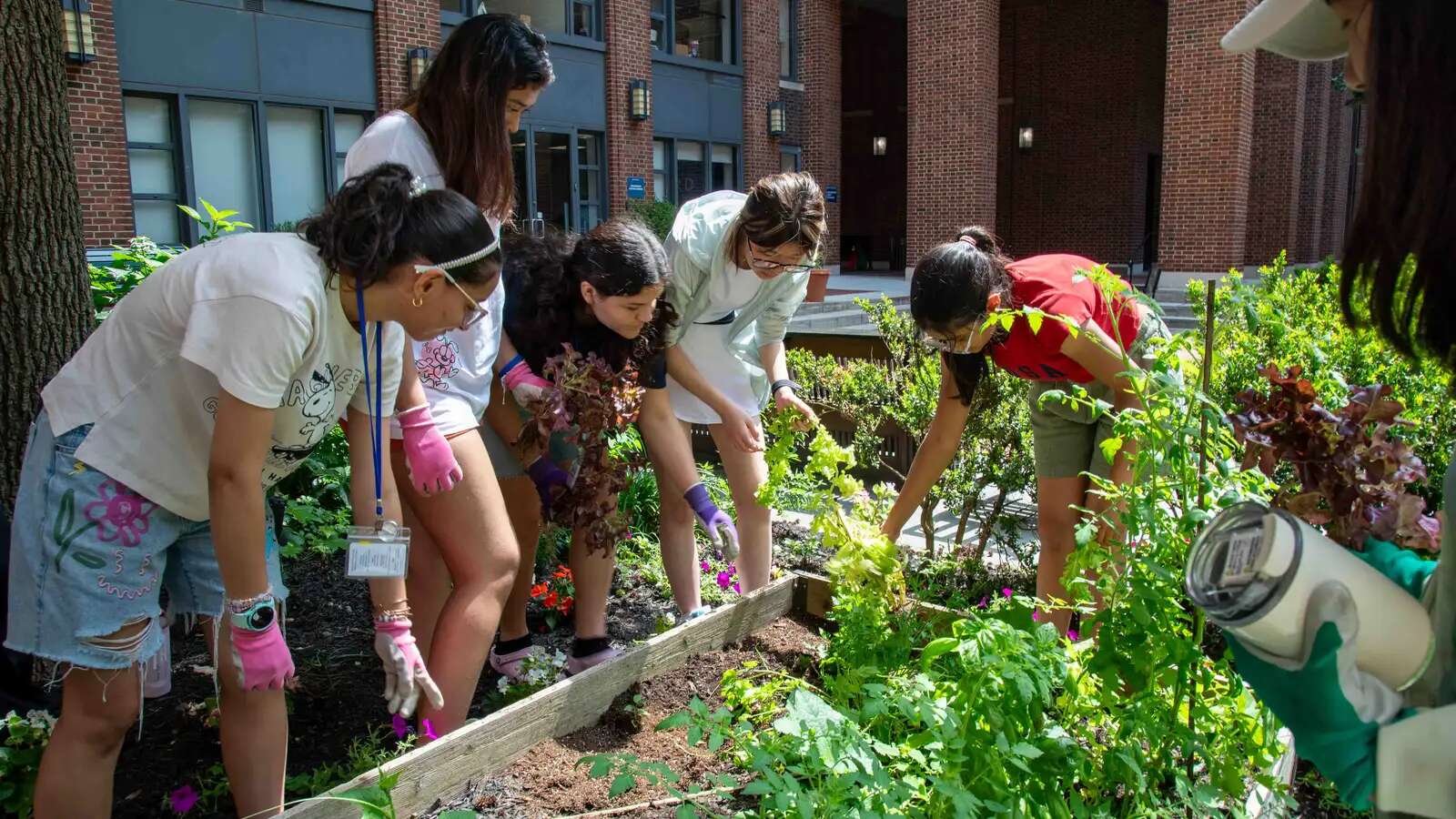
Embracing the Mid-Summer Garden: What to Expect in July 2026
July marks the peak of the growing season for many regions. We’re deep into summer, which means glorious sunshine but also significant heat and humidity. Your garden, much like you, needs extra care during these warmer days. Expect rapid growth, abundant flowering, and the first major waves of harvest from your summer crops.
Navigating July’s Unique Challenges
The biggest challenge in July is often the relentless heat. High temperatures can stress plants, leading to wilting, reduced fruit set, and even sunburn on delicate foliage. Increased humidity can also invite fungal diseases if not managed proactively. Understanding these environmental factors is the first step in successful mid-summer garden maintenance.
Another common hurdle is pest pressure. Warm weather often accelerates insect life cycles, meaning more generations of pests like aphids, spider mites, and squash bugs. Vigilance becomes paramount. Regular scouting will help you catch potential problems early, before they become major infestations in your vegetable patch or flower beds.
Essential Watering Strategies for July’s Intense Heat
Water, water, water! This is perhaps the most critical task on your July 2026 Gardening Tasks Checklist. Plants are transpiring heavily to cool themselves, and fruiting vegetables require a lot of moisture to develop properly. Consistent and deep watering is key to plant health and productivity during the warmest month.
Deep Watering vs. Shallow Sprinkling
Forget the quick sprinkle. Shallow watering encourages shallow root systems, making plants more susceptible to drought stress. Instead, aim for deep watering sessions that penetrate several inches into the soil. This encourages roots to grow deeper, making them more resilient and able to access moisture even when the surface dries out.
A good rule of thumb is to water until the soil is moist to the depth of your hand. For most gardens, this might mean watering two to three times a week, rather than daily, but with a much more generous volume each time. Always check soil moisture before watering again; stick your finger into the soil about two inches deep – if it feels dry, it’s time to water.
The Best Time to Hydrate Your Garden
Early morning is the ideal time to water. This allows the plants to absorb moisture before the sun’s intensity causes rapid evaporation. Watering in the evening can be risky, as foliage stays wet overnight, creating a perfect environment for fungal diseases. Mid-day watering is inefficient due to high evaporation rates.
The Mulching Advantage in Summer
Mulch is your garden’s best friend in July. A 2-4 inch layer of organic mulch – such as straw, shredded leaves, or wood chips – will significantly reduce soil moisture evaporation. It also helps regulate soil temperature, keeping roots cooler, and suppresses weeds, reducing competition for water and nutrients. This simple step saves you time and water.
Special Care for Container Gardens
Container plants dry out much faster than those in the ground. They often require daily watering, sometimes even twice a day during heatwaves. Consider using self-watering containers or adding water retention crystals to your potting mix. Grouping containers together can also create a microclimate that reduces evaporation, keeping your container plants healthy.
Harvesting Abundance: What to Pick Now
July is often the peak month for harvesting many summer vegetables, fruits, and herbs. Regular harvesting is not only rewarding but also encourages plants to produce more. Don’t let ripe produce sit on the vine too long, or production might slow down.
Bountiful Vegetable Picks
Your tomatoes should be ripening beautifully, along with peppers, eggplants, and cucumbers. Snap beans and bush beans will offer continuous harvests if picked every few days. Summer squash and zucchini are famously prolific; pick them when young and tender for the best flavor and to prevent them from becoming oversized.
For leafy greens that might bolt in the heat, try harvesting outer leaves for a cut-and-come-again approach. Root vegetables like carrots and beets, if planted earlier, might be ready now. Remember to check your specific plant varieties for their optimal harvest times to ensure peak flavor.

Continuous Herb Harvesting
Many herbs thrive in summer heat and benefit from regular trimming. Basil, mint, oregano, thyme, and rosemary can be harvested consistently. Pinching back flowering stems not only delays bolting but also encourages bushier growth and more flavorful leaves. Dry or freeze excess herbs for winter use.

Sweet Summer Fruits
If you have berry bushes, July is typically prime time for raspberries, blueberries, and blackberries. Pick them gently when they are fully colored and easily detach from the plant. Early varieties of apples and peaches might also begin to ripen towards the end of the month, offering sweet rewards for your efforts.
Feeding Your Thirsty and Hungry Plants
With all the growth and fruiting, your plants are expending a lot of energy and nutrients. A mid-season boost can make a significant difference, especially for heavy feeders like tomatoes, corn, and squash. However, be mindful not to over-fertilize, especially in hot weather.
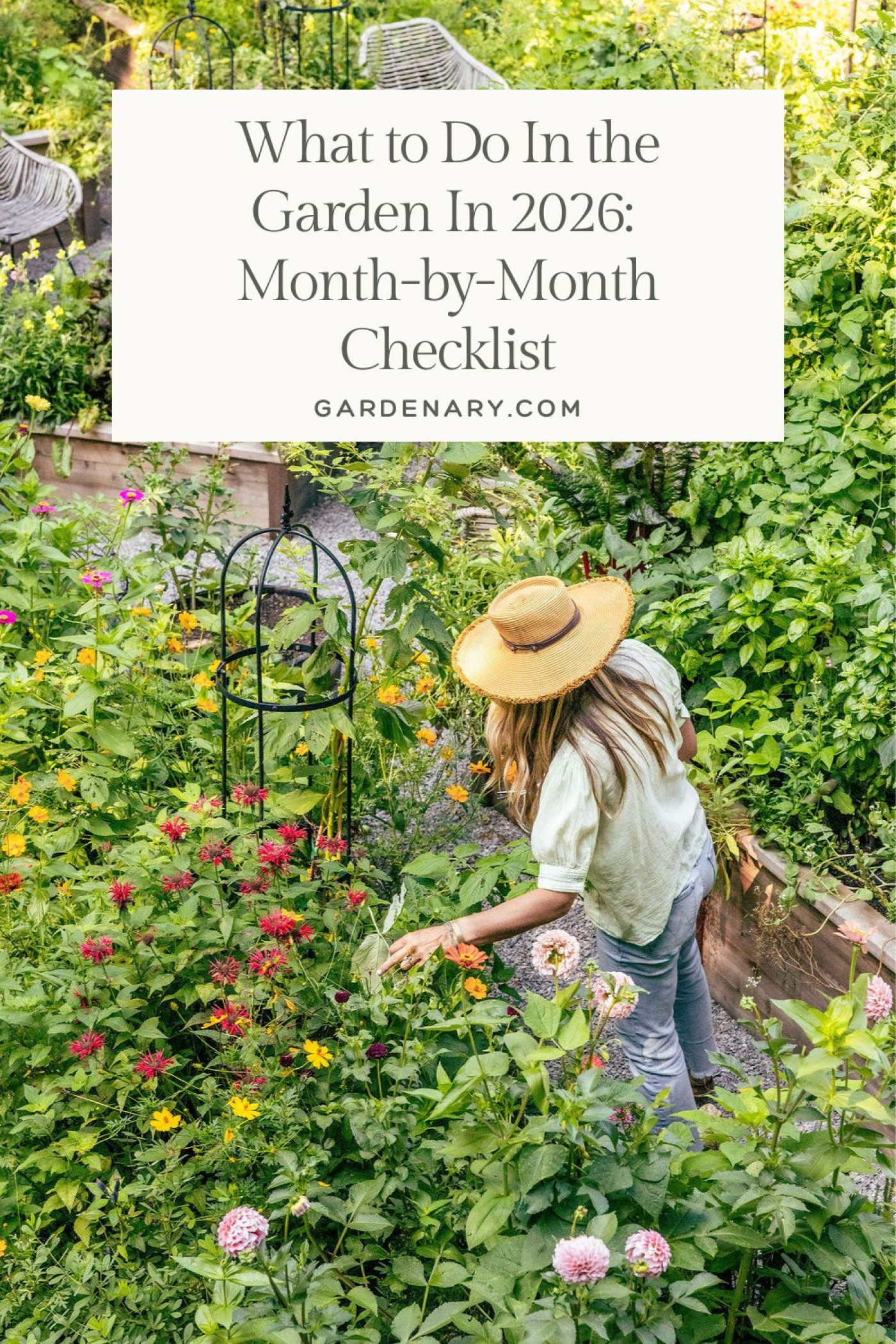
Mid-Season Fertilization Strategies
For fruiting vegetables, a balanced liquid fertilizer or a compost tea applied every 2-4 weeks can provide the necessary nutrients without causing stress. Look for fertilizers with slightly higher phosphorus and potassium levels to support fruit development. Avoid high-nitrogen fertilizers at this stage, as they promote leafy growth at the expense of fruit.
Organic options like worm castings, aged compost, or fish emulsion are excellent choices. They provide a slow release of nutrients and improve soil health. Always follow package directions and water thoroughly after applying any fertilizer to prevent root burn. Your garden feeding schedule needs a careful touch.
Recognizing Nutrient Deficiencies
Keep an eye out for signs of nutrient deficiencies. Yellowing leaves can indicate a lack of nitrogen, while purplish undersides might suggest phosphorus deficiency. Interveinal chlorosis (yellowing between green veins) often points to iron or magnesium issues. Understanding these signs helps you tailor your feeding program precisely.
Pruning and Training for Continued Growth
Pruning isn’t just for winter dormancy; it’s a vital summer task that promotes health, air circulation, and continued production. Training plants helps manage their growth and maximizes yield in smaller spaces.
Deadheading Flowers for More Blooms
For your flowering plants, deadheading is crucial. Removing spent blossoms prevents the plant from putting energy into seed production and redirects it into producing more flowers. This simple act will ensure a continuous display of color throughout the rest of summer and into fall. Regularly deadhead perennials and annuals like petunias, marigolds, and coneflowers.

Tomato Pruning and Trellising
Indeterminate tomatoes will benefit from regular pruning of suckers (the shoots that emerge in the crotch between the main stem and a leaf branch). Removing these redirects energy into fruit production. Continue to stake, cage, or trellis your tomatoes, peppers, and other vining plants to support their heavy loads of fruit and keep them off the ground, reducing disease risk.
Shaping and Maintenance Pruning
Summer is also a good time for light shaping of shrubs and hedges. Remove any dead, diseased, or damaged branches as soon as you spot them. This improves air circulation and prevents disease spread. Just be careful not to remove too much foliage, as it provides shade and protection from the intense sun.
Pest and Disease Management: Vigilance is Key
Warm, humid conditions are a breeding ground for both pests and diseases. Regular garden walks, at least daily, are your best defense. Early detection allows for organic and less invasive treatments, saving your plants and your sanity.
Common July Pests and Organic Solutions
Watch out for aphids on new growth, spider mites on the undersides of leaves (especially in dry, hot conditions), and squash bugs or cucumber beetles on cucurbits. Hand-picking larger pests, blasting aphids with a strong stream of water, or applying insecticidal soap are effective organic first lines of defense. Beneficial insects, like ladybugs, can also be a gardener’s ally.
Identifying and Preventing Diseases
Powdery mildew can appear as white, powdery spots on leaves, especially on squash, cucumbers, and phlox. Improve air circulation and avoid overhead watering. Early blight often affects tomatoes, causing brown spots on lower leaves. Remove affected leaves and ensure good spacing. Proper watering, sanitation, and choosing disease-resistant varieties are your best preventative measures for healthy plants in summer.
Planting for Fall: Second Chances in July
While we’re busy harvesting summer’s bounty, July is also a fantastic time to plan and plant for a fall harvest. Many cool-season crops can be sown now for a delicious second round of fresh produce.
Cool-Season Crops to Plant
Towards the end of July, consider planting seeds for leafy greens like lettuce, spinach, and arugula. Radishes, carrots, and bush beans can also be sown for a quick fall crop. You can even start broccoli, cauliflower, or cabbage transplants for a late fall harvest. Providing some afternoon shade for these young seedlings will help them establish in the summer heat.
The Art of Succession Planting
Succession planting is key to maximizing your garden’s output. As soon as one crop finishes, prepare the bed and plant another. This ensures a continuous supply of fresh vegetables. For example, once your early peas are done, you can replace them with bush beans or a quick crop of radishes. This strategy makes the most of your garden space and productivity.
Garden Maintenance and Tool Care Checklist
Beyond planting and harvesting, general maintenance keeps your garden tidy, healthy, and efficient. Regular upkeep saves a lot of headaches down the line.
Effective Weeding Strategies
Weeds compete with your plants for water, nutrients, and sunlight, especially in July’s demanding conditions. Tackle them when they’re small, preferably after a rain or watering when the soil is soft. A light hoeing or hand-pulling is much easier than battling mature weeds. Consistent weeding keeps your garden beds clear and productive.
Tool Cleaning and Organization
Give your gardening tools some love. Clean soil off spades, trowels, and hoes after each use to prevent rust and disease transmission. Sharpen pruning shears and secateurs for clean cuts that promote plant health. Keeping your tools organized makes future gardening tasks much more efficient.
Compost Pile Management
If you have a compost pile, July is a great time to turn it. The heat helps speed up decomposition. Ensure your pile has a good mix of green (nitrogen-rich) and brown (carbon-rich) materials, and keep it consistently moist, like a wrung-out sponge, for optimal activity. This provides valuable organic matter for your soil.
July 2026 Gardening Tasks Summary Table
To help you stay on track, here’s a quick reference table for your July gardening tasks. Consider this your at-a-glance July garden maintenance guide.
| Task Category | Key Activities | Frequency / Notes |
|---|---|---|
| Watering | Deep water early mornings. Focus on root zones. Mulch heavily. | 2-3 times/week (ground); Daily (containers). |
| Harvesting | Pick ripe vegetables (tomatoes, squash, beans), fruits, and herbs. | Every 1-3 days to encourage production. |
| Feeding | Apply balanced liquid fertilizer or compost tea to heavy feeders. | Every 2-4 weeks, as needed. |
| Pruning & Training | Deadhead flowers. Prune tomato suckers. Stake vining plants. | Weekly. |
| Pest & Disease Control | Scout daily. Hand-pick pests. Apply organic treatments if necessary. | Daily vigilance. Treat as soon as issues are spotted. |
| Planting | Sow seeds for fall crops (greens, radishes, carrots). | Mid to late July, succession planting. |
| General Maintenance | Weed regularly. Clean tools. Turn compost. | Ongoing, as needed. |
Final Thoughts on Your July Garden Journey
July in the garden is a journey of active growth, abundant rewards, and constant care. It’s a month that demands your attention but repays it tenfold with fresh produce and vibrant blooms. By diligently following your July 2026 Gardening Tasks Checklist, you’re not just maintaining a garden; you’re cultivating a thriving ecosystem that brings beauty and sustenance to your life.
Remember, gardening is a continuous learning process. Observe your plants, understand their needs, and adapt your approach as the season unfolds. Enjoy the warmth, the harvests, and the sheer joy of watching your garden flourish under your dedicated care. Happy gardening!
Frequently Asked Questions
What are the most critical gardening tasks to focus on in July?
In July, the most critical tasks revolve around consistent and deep watering due to high temperatures, regular harvesting to encourage continuous production, and diligent pest and disease scouting to catch issues early. Mulching is also crucial for moisture retention.
How often should I water my garden in July’s heat?
For in-ground gardens, aim for deep watering 2-3 times a week, ensuring the soil is moist several inches down. Container plants typically require daily watering, and sometimes twice a day during intense heatwaves, due to faster drying out.
Which vegetables are typically ready for harvest in July?
July is peak harvest for many summer vegetables including tomatoes, peppers, eggplants, cucumbers, summer squash (zucchini), green beans, and many herbs. Regular picking promotes more yield and better flavor.
Can I still plant new crops in July for a fall harvest?
Yes, July is an excellent time for succession planting and starting cool-season crops for a fall harvest. You can sow seeds for lettuce, spinach, arugula, radishes, carrots, and even transplant broccoli or cabbage, providing some afternoon shade for young seedlings.