As an avid explorer of global traditions and an advocate for cultural understanding, I find immense joy in mapping out the world’s diverse celebrations. The calendar offers a constant tapestry of human expression, and March 2026 Cultural Observances Worldwide promise to be particularly rich. From ancient rites of passage to modern commemorations of progress, this month is a vibrant testament to humanity’s shared and distinct heritage. Let’s embark on a journey to discover the significant events that will shape this exciting period across continents.
Unveiling the Global Tapestry of March 2026 Cultural Observances
March is a month of transition and renewal in many parts of the world. It marks the arrival of spring in the Northern Hemisphere and autumn in the Southern. This seasonal shift often intertwines with profound cultural heritage and spiritual events, making it a pivotal time for reflection and celebration. Understanding these diverse traditions offers a window into the souls of nations and communities.
Key International Days and Their Significance
March 2026 is dotted with several internationally recognized days, each carrying significant weight and inspiring community engagement and global dialogue. These observances transcend borders, uniting people under common causes or shared human experiences.
International Women’s Day (March 8th)
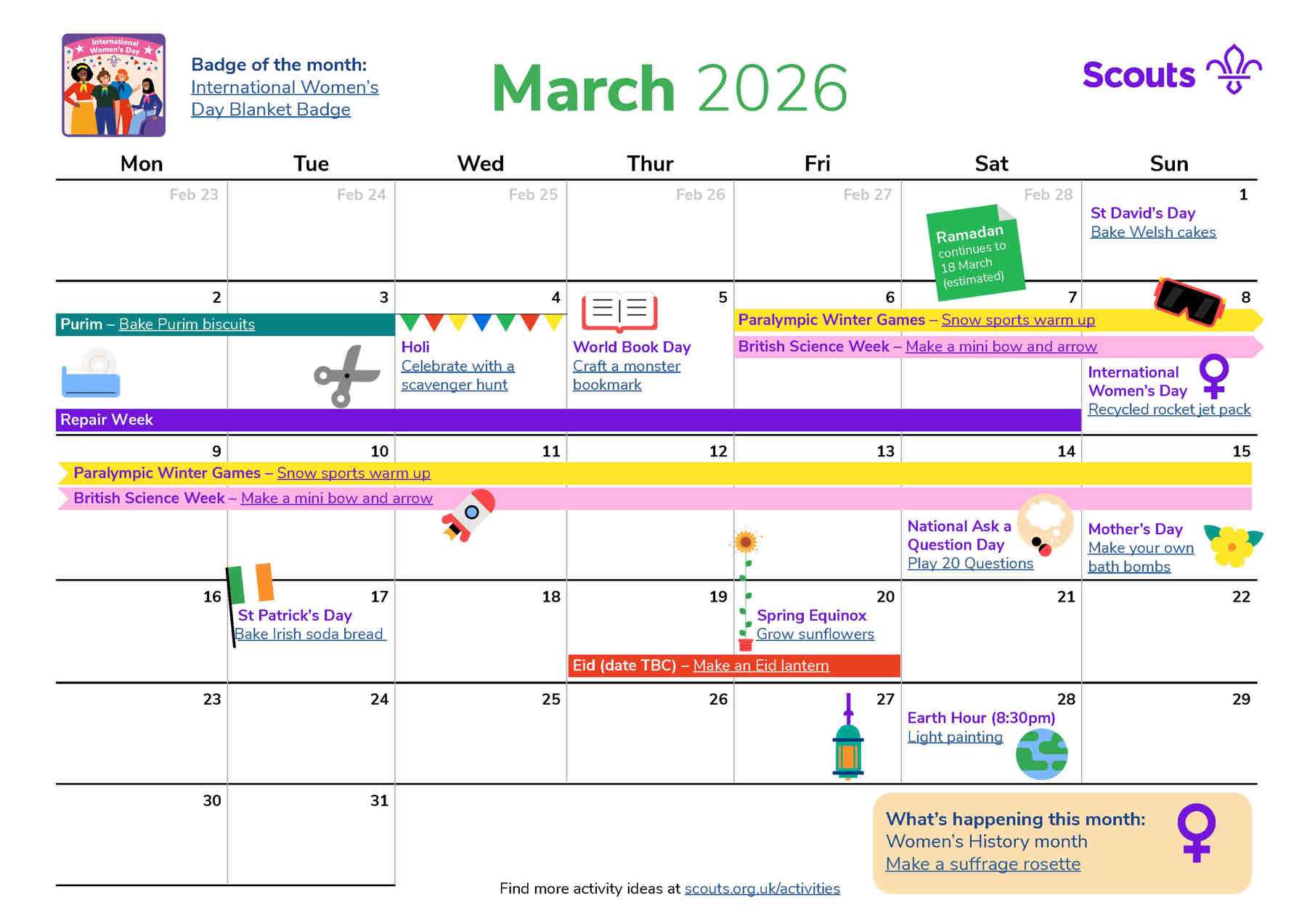
International Women’s Day, observed annually on March 8th, is a powerful global celebration of the social, economic, cultural, and political achievements of women. It also serves as a critical call to action for accelerating gender equality. In 2026, we can expect demonstrations, conferences, and educational initiatives across countless nations, from bustling city squares to remote villages. It’s a day for collective reflection on progress made and the work that still lies ahead in achieving true equity for all.
International Day for the Elimination of Racial Discrimination (March 21st)
Designated by the United Nations, this day calls upon the global community to redouble efforts to eliminate all forms of racial discrimination. Commemorating the Sharpeville massacre in South Africa in 1960, it encourages solidarity and awareness. Educational programs, public discussions, and cultural events will highlight the ongoing fight against racism and promote diversity and inclusion worldwide.
World Water Day (March 22nd)
Focusing on the importance of freshwater, World Water Day raises awareness about the 2.2 billion people living without access to safe water. Governments, NGOs, and communities organize events to advocate for sustainable management of freshwater resources. It’s a reminder of a fundamental human right and the critical need for global cooperation on environmental issues.
Major Religious and Spiritual Observances in March 2026
Religious calendars often intersect significantly with the Gregorian calendar in March, bringing forth periods of intense devotion, fasting, and joyous religious holidays. These observances provide deep insight into the spiritual foundations of numerous cultures.
Ramadan Begins (Late February/Early March 2026)
For Muslims worldwide, the holy month of Ramadan is a period of fasting, prayer, reflection, and community. While the exact start date in 2026 will depend on the sighting of the moon, it is anticipated to begin around late February or early March, extending well into April. During Ramadan, observant Muslims abstain from food and drink from dawn until sunset. It’s a time for increased charity, spiritual growth, and strengthening family bonds, culminating in the joyous Eid al-Fitr celebration.
Holi: The Festival of Colors (Dates Vary, often Late March)
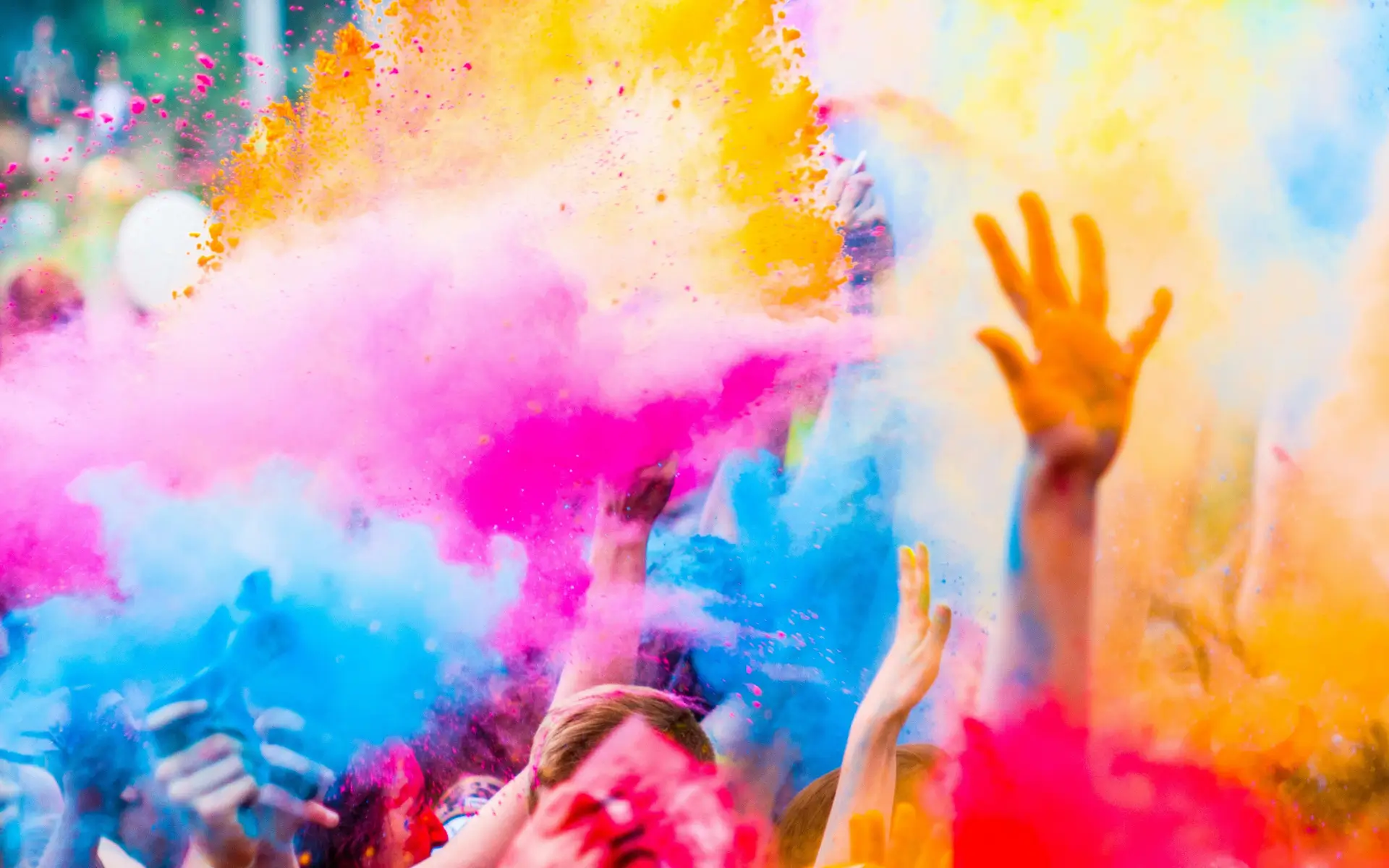
Holi, the ancient Hindu festival, is one of the most vibrant and joyous celebrations in India and among Hindu communities globally. It typically falls around the full moon in the Hindu month of Phalguna, often in late March. Holi symbolizes the triumph of good over evil, the arrival of spring, and a day to play, laugh, forget and forgive. Participants throw colored powders and water, dance to folk music, and share sweets. It’s a truly exhilarating experience, bursting with life and positive energy.
Nowruz: The Spring Equinox Celebration (Around March 20th)
Nowruz, meaning ‘new day’, marks the spring equinox and the beginning of the new year in Persia and many other cultures, particularly those along the Silk Road. Celebrated on or around March 20th, Nowruz is steeped in ancient Zoroastrian traditions. Families gather to set a ‘Haft-Seen’ table with symbolic items representing renewal and good fortune. This ancient festival is recognized by UNESCO as intangible cultural heritage and is a time for family visits, special meals, and well wishes.
Other Christian Observances
While Easter often falls in April, March 2026 will see many Christian traditions observing the season of Lent, a 40-day period of fasting, prayer, and penance leading up to Easter. Specific holy days like the Feast of Saint Patrick (March 17th) are also celebrated with parades and cultural events, particularly in Ireland and among the Irish diaspora globally.
Regional Spotlights: Celebrating Across Continents
Beyond these global events, March 2026 is brimming with unique regional and national observances that showcase the incredible breadth of human culture. Each offers a distinct flavor of global celebrations.

Asia: Festivals of Renewal and Light
In addition to Holi and Nowruz, many Asian countries observe their own unique festivals. For instance, various harvest festivals might occur depending on agricultural cycles, and local temple festivals or traditional new year celebrations in different calendars (e.g., Balinese New Year – Nyepi, if it falls in March) can offer fascinating insights into local beliefs and customs. Thailand’s Makha Bucha Day (usually February/March) is a significant Buddhist festival celebrating the teachings of Buddha.
Europe: Spring Awakening and Historical Commemorations
Europe often sees the emergence from winter with various spring festivals. St. Patrick’s Day is a prominent example, evolving from a religious feast day to a worldwide celebration of Irish culture. Many European nations also hold historical commemorations or national days of remembrance in March, reflecting on pivotal moments in their past and reinforcing national identity. For example, Greek Independence Day (March 25th) is celebrated with parades and festivities.
The Americas: Carnival Echoes and Indigenous Gatherings
While many major Carnivals occur in February, some celebrations, especially local ones, can extend or lead into March, particularly in parts of Latin America and the Caribbean. Indigenous communities across North and South America may hold traditional gatherings, ceremonies, and powwows in March, marking the changing seasons or commemorating ancestral practices. These are crucial for preserving and sharing indigenous cultural heritage.
Africa: Rites of Passage and Seasonal Celebrations
Africa’s vastness means a diverse array of local and ethnic observances. Many cultures hold rites of passage for youth, seasonal planting or harvest festivals, and community gatherings focused on storytelling, music, and dance. The specific timing of these events can vary greatly by region and local traditions, offering unique windows into the continent’s rich mosaic of cultures.
Understanding and Participating Respectfully
Engaging with global cultural travel and observances is an enriching experience, but it comes with a responsibility: to participate respectfully and mindfully. As a seasoned traveler and cultural observer, I’ve learned that true understanding comes from humility and an open heart.
Tips for Mindful Engagement:
- Research: Learn about the history, customs, and etiquette of the observance before you engage.
- Observe: Sometimes, the most respectful participation is to simply observe quietly, especially during sacred ceremonies.
- Ask: If you’re unsure, politely ask a local if your participation is appropriate or how you can show respect.
- Dress Code: Be aware of and adhere to any specific dress codes, especially for religious sites or events.
- Support Local: If you purchase souvenirs or food, try to support local artisans and vendors.
- Avoid Disruption: Be mindful of noise levels and photography, ensuring you don’t disrupt sacred moments.
Your actions contribute to the preservation of cultural integrity and foster positive cross-cultural exchanges.
Planning Your Cultural Exploration for March 2026
For those inspired to witness these international festivals firsthand, planning is key. March 2026 offers a fantastic opportunity for event planning destination guides and travel enthusiasts alike. Consider which observances resonate most with your interests and values.
Table: Snapshot of Major March 2026 Observances
| Observance | Anticipated Date (2026) | Regions Primarily Observed | Key Significance |
|---|---|---|---|
| International Women’s Day | March 8 | Worldwide | Celebrating women’s achievements, advocating gender equality |
| Ramadan Begins | Late Feb/Early March (Lunar Dependent) | Worldwide Muslim communities | Month of fasting, prayer, reflection, charity |
| Nowruz (Spring Equinox) | Around March 20 | Iran, Central Asia, Caucasus, Balkans, etc. | New Year, renewal, triumph of good, family gatherings |
| Holi | Late March (Lunar Dependent) | India, Nepal, Hindu diaspora | Festival of Colors, celebrating spring, love, good over evil |
| International Day for Elimination of Racial Discrimination | March 21 | Worldwide | Advocating against racism, promoting human rights |
| World Water Day | March 22 | Worldwide | Raising awareness for clean water, sustainable management |
Resources for Deeper Exploration
Numerous organizations, from the United Nations to national cultural bodies and reputable academic institutions, offer detailed calendars and information on these observances. When planning, consult these reliable sources to confirm dates and understand the nuances of each event. Consider local tourism boards for region-specific events.

The Enduring Benefits of Engaging with Global Cultures
My personal experiences have taught me that delving into other cultures offers immeasurable benefits. It’s not just about witnessing an event; it’s about expanding your worldview, fostering empathy, and challenging your own assumptions. Cultural exchange builds bridges between people and nations.
Expanding Perspectives and Fostering Empathy
By learning about different beliefs and customs, we gain a deeper appreciation for the human experience in all its forms. This exposure can break down barriers and prejudices, fostering a more inclusive and empathetic global community. When you understand why someone fasts or celebrates in a certain way, their world becomes a little clearer.
Preserving Cultural Heritage
Active interest and respectful participation also play a role in the preservation of cultural heritage. Many traditions face challenges in the modern world, and external appreciation can help communities sustain and pass on their unique practices to future generations. This global spotlight helps to ensure these vibrant expressions endure.
Personal Growth and Enrichment
For individuals, engaging with these observances can be a profound experience of personal growth. It can inspire new ways of thinking, provide moments of spiritual reflection, or simply offer immense joy through shared celebration. These experiences often become cherished memories and invaluable lessons.
As we look ahead to March 2026 Cultural Observances Worldwide, the prospect is truly exciting. It’s an invitation to explore, learn, and connect with the vibrant tapestry of human life that unfolds across our planet. Let’s embrace these opportunities with open minds and respectful hearts, contributing to a more understanding and interconnected world. The beauty of these global celebrations lies in their ability to teach us about both our differences and our shared humanity.
Frequently Asked Questions
What are some of the major cultural observances happening in March 2026?
March 2026 will feature significant global events such as International Women’s Day (March 8), the start of Ramadan (anticipated late Feb/early March), Nowruz (around March 20), Holi (late March), and World Water Day (March 22), alongside various regional and national celebrations worldwide.
How can I respectfully participate in or learn about these global cultural events?
Respectful engagement involves researching the history and customs of each observance, observing quietly when appropriate, politely asking locals about etiquette, adhering to dress codes, supporting local communities, and being mindful not to disrupt sacred moments. The goal is to learn and appreciate.
Are there any specific Hindu festivals celebrated in March 2026?
Yes, Holi, the vibrant Hindu Festival of Colors, is anticipated to fall in late March 2026. This joyous festival celebrates the triumph of good over evil, the arrival of spring, and is marked by throwing colored powders and water, dancing, and sharing sweets.
What is the significance of Nowruz and where is it primarily celebrated?
Nowruz, meaning ‘new day’, marks the Spring Equinox and the New Year for millions, primarily in Iran, Central Asia, the Caucasus, and the Balkans. It’s an ancient festival steeped in Zoroastrian traditions, symbolizing renewal, rebirth, and good fortune through family gatherings and symbolic table settings.
