As we approach March 2026 International Women’s Day History, it’s a poignant moment to reflect on the rich and often turbulent journey of a day dedicated to celebrating women’s achievements and advocating for gender equality. This annual observance isn’t just about a single date; it embodies over a century of struggle, progress, and unwavering determination. Understanding its roots helps us appreciate its present significance and the vital work that still lies ahead. Join me as we delve into the inspiring narrative of this powerful day.
The Genesis: Seeds of Change in the Early 20th Century
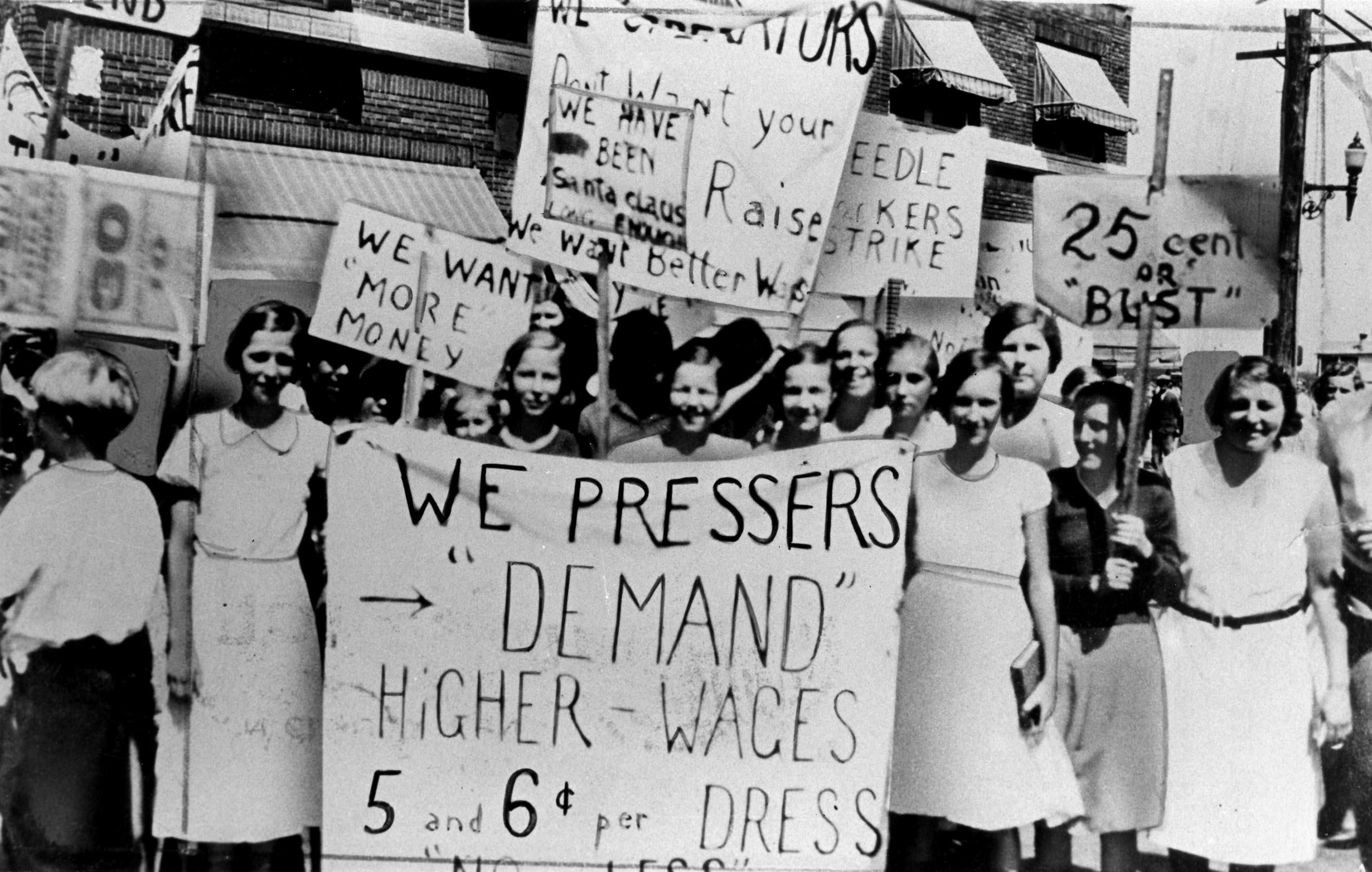
The story of International Women’s Day history is deeply intertwined with pivotal social and political movements of the early 20th century. It emerged from a period of immense industrialization and widespread social unrest. Women, often relegated to the shadows, began to find their collective voice, demanding fairer treatment and greater rights.
Women’s Suffrage Movement
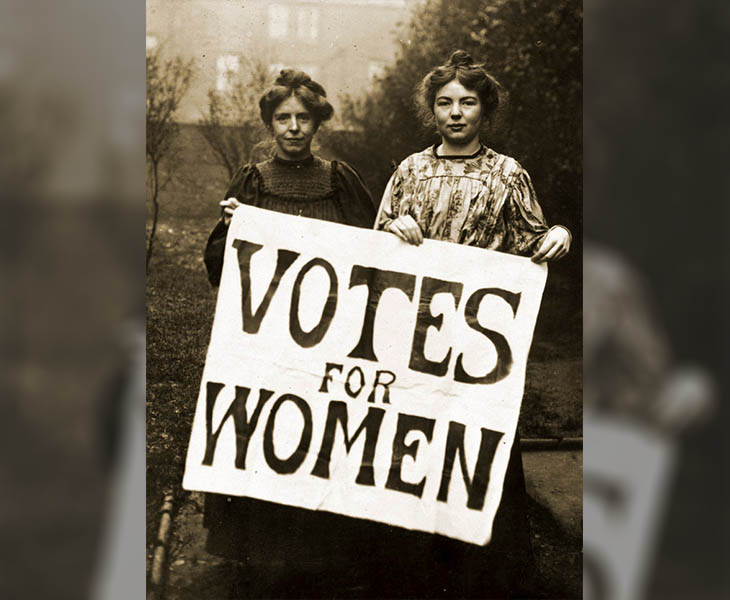
One of the most powerful forces at play was the women’s suffrage movement. Across the globe, brave women, often known as suffragettes, campaigned tirelessly for the right to vote. They faced ridicule, violence, and imprisonment, yet their resolve never wavered. This fundamental demand for political voice laid essential groundwork for all future women’s rights initiatives.
The idea was simple yet revolutionary: if women could contribute to society, they should also have a say in its governance. Their actions highlighted systemic injustices. These early activists demonstrated incredible courage and foresight.
The Socialist Roots and Labor Unrest
Beyond suffrage, the struggle for better working conditions and equal pay also played a crucial role. Many working women faced appalling conditions, long hours, and meager wages. The socialist women’s movement provided a platform for these grievances.
In 1908, a significant women’s labor protest in New York City saw thousands of women garment workers march. They demanded shorter hours, better pay, and voting rights. This event, though not the official start, certainly ignited the spark for a dedicated women’s day.
Socialist parties across Europe and America began to champion women’s causes. They recognized that true social progress required the liberation and empowerment of women. This convergence of labor rights and women’s rights proved formidable.
Clara Zetkin’s Vision: An International Day
The concept of an internationally recognized day for women largely sprang from the vision of Clara Zetkin. She was a prominent German Marxist theorist and women’s rights advocate. At the 1910 International Socialist Women’s Conference in Copenhagen, she proposed the idea.
Zetkin suggested that every year, on a specific day, women across the world should hold rallies. These rallies would press for their demands, including suffrage and improved working conditions. Her proposal was unanimously approved by delegates from 17 countries, representing over 100 women from unions, socialist parties, and women’s clubs.
This momentous decision marked the birth of what would become International Women’s Day. It was a powerful statement of global solidarity. The resolve to unite across borders for a common cause was truly inspiring.
A Day Takes Shape: Early Observances and Global Spread
Following Zetkin’s proposal, International Women’s Day began to take root in various nations. Its early observances were dynamic and often served as platforms for fervent political and social activism. The exact date varied initially, reflecting local movements and priorities.
First Celebrations Across Europe
The first official International Women’s Day was observed on March 19, 1911. This took place in Austria, Denmark, Germany, and Switzerland. Over a million people participated in rallies and demonstrations.
They called for women’s right to work, vocational training, and an end to discrimination on the job. The sheer scale of participation underscored the profound desire for change. It was a clear signal that women’s voices could no longer be ignored.
These early celebrations were not just symbolic. They were direct calls to action, often leading to tangible policy discussions. They amplified the demands of the working class and the marginalized.
International Women’s Day Before World War I
Before the outbreak of World War I, International Women’s Day gained momentum. It spread to other European countries and even reached the United States. Women used the day to protest against the war, advocating for peace and solidarity.
The focus broadened beyond suffrage and labor rights. It began to encompass broader calls for peace and an end to militarism. This shows the adaptability and growing influence of the day. It became a multi-faceted platform for social change.
The day served as a powerful reminder of women’s role in global politics. It highlighted their unique perspective on conflict and diplomacy. These demonstrations were a visible challenge to the patriarchal structures of the time.
The Russian Revolution and March 8th
Perhaps one of the most pivotal moments in the establishment of March 8th as the universal date occurred in Russia. In 1917, on the last Sunday in February (which fell on March 8th in the Gregorian calendar), women textile workers in Petrograd began a strike. They protested against food shortages, war, and the Tsar’s autocratic rule.
This protest is often cited as the beginning of the Russian Revolution. Within days, the Tsar abdicated, and a provisional government granted women the right to vote. This powerful display of collective action cemented the date’s significance.
Later, in 1921, the Communist International officially designated March 8th as International Women’s Day. This decision helped standardize the date globally. It became a symbol of revolutionary women’s movements worldwide.
Post-War Era to UN Recognition: A Resurgence
After its strong beginnings, International Women’s Day faced periods of varying visibility. However, its core message of women’s achievements and gender equality never truly faded. The latter half of the 20th century saw a significant resurgence, culminating in global recognition.
Challenges and Resilience
In some Western countries, IWD lost some of its revolutionary zeal. It was occasionally sidelined during the Cold War era. However, it continued to be widely observed in socialist countries, celebrating women’s roles in nation-building.
Despite these fluctuations, the spirit of the day endured. Grassroots movements and local women’s groups kept its flame alive. They understood the necessity of a dedicated day to champion women’s causes. Their resilience ensured its eventual broader re-adoption.
The Second-Wave Feminist Movement’s Influence
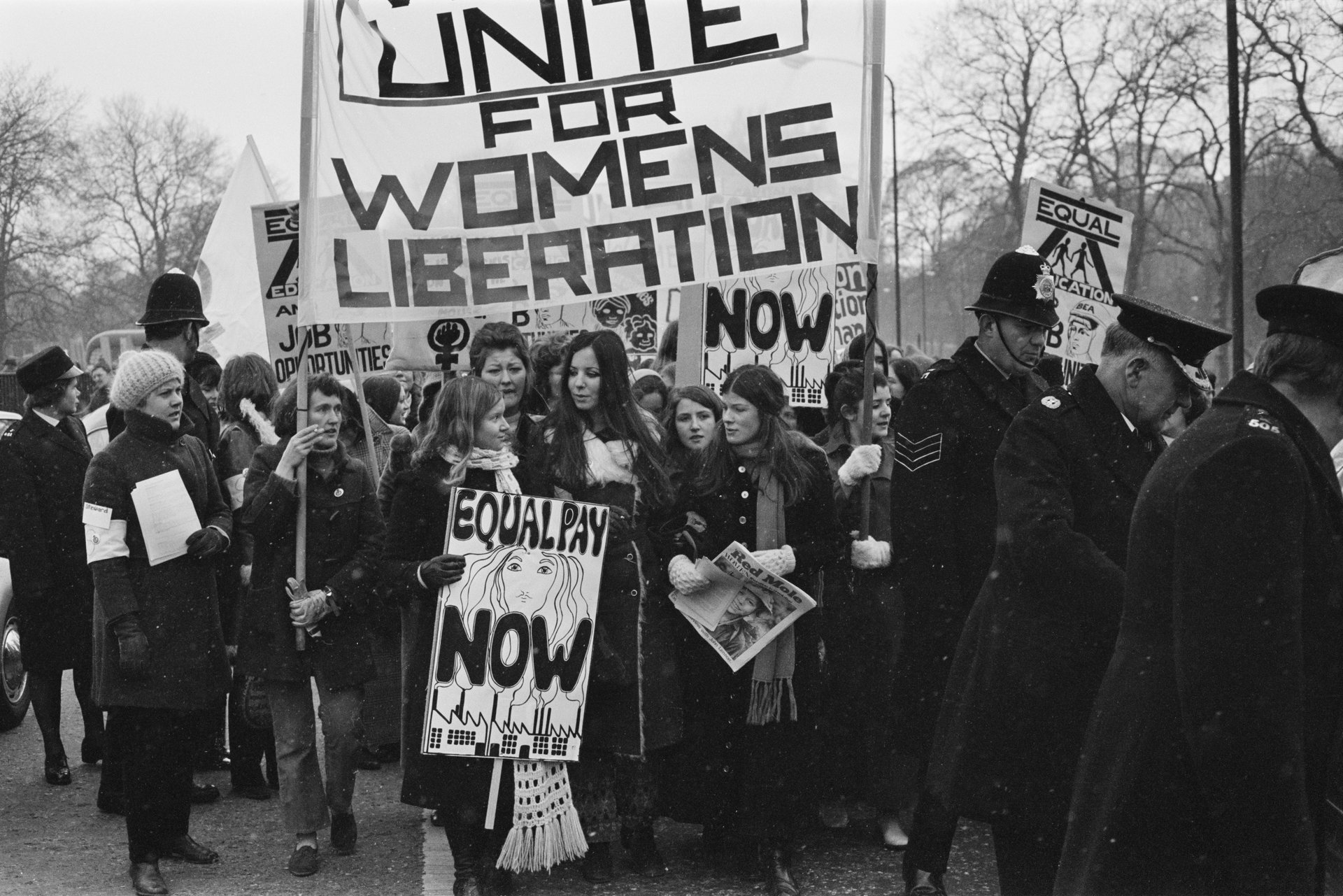
The feminist movement of the 1960s and 1970s played a crucial role in revitalizing International Women’s Day. Feminists embraced the day as a platform for broader issues. These included reproductive rights, equal pay, and an end to gender-based violence.
This wave brought IWD back into mainstream discourse in many Western nations. It transformed from a predominantly socialist holiday into a broader feminist celebration. The movement provided new energy and renewed purpose to the day.
It allowed for a more inclusive understanding of women’s struggles. It highlighted the intersectionality of gender with race, class, and sexuality. This period marked a critical expansion of IWD’s agenda.
United Nations and the Official Adoption
A monumental step in IWD’s journey was its United Nations recognition. In 1975, designated as International Women’s Year, the UN officially began celebrating International Women’s Day on March 8th. This brought global legitimacy and visibility to the observance.
The UN’s involvement helped formalize and globalize the day. It provided a framework for member states to acknowledge and promote women’s rights. Since then, the UN has adopted annual themes, focusing global attention on specific issues.
This official adoption transformed IWD into a truly global women’s day. It became a cornerstone for international advocacy for change. The UN continues to be a leading voice in promoting its values.
International Women’s Day Today: Themes and Impact
International Women’s Day is now an annual celebration observed worldwide. It serves as a powerful reminder of the progress made and the work remaining. Its impact resonates across all sectors of society, from boardrooms to grassroots initiatives.
Annual Themes and Global Focus
Each year, the UN announces a specific theme for IWD. These themes address pressing global issues related to women and girls. They guide discussions, campaigns, and events around the world.
Past themes have focused on innovation, rural women, empowering women in the workplace, and digital inclusion. This focused approach ensures the day remains relevant and impactful. It keeps the global spotlight on evolving challenges and opportunities for women.
These themes encourage collective action and resource mobilization. They help in setting global priorities for gender parity. They are a strategic tool for driving conversations forward.
Advocacy for Gender Equality and Women’s Rights
IWD remains a crucial day for advocacy for change. Activists, organizations, and governments use it to push for policy reforms. They highlight persistent inequalities in various spheres of life.
The day provides an opportunity to demand equal pay, better representation in leadership, and an end to gender-based violence. It also emphasizes the importance of education and healthcare access for women. The spirit of protest and demand from its origins is still very much alive.
It is a day to amplify the voices of marginalized women. It ensures that no one is left behind in the pursuit of justice. The ongoing struggle for social justice is visibly articulated through these global campaigns.
Celebrating Achievements and Inspiring Future Generations
While a day of serious reflection, IWD is also a celebration of women’s achievements. It recognizes the trailblazers, innovators, and everyday heroes who have shaped our world. From scientific breakthroughs to artistic masterpieces, women’s contributions are immense.
It’s a time to honor women who have overcome adversity and shattered glass ceilings. Their stories inspire future generations to dream big and challenge norms. By highlighting these successes, we build a foundation for continued progress.
This aspect of celebration is vital for mentorship and encouragement. It shows young girls what is possible. It cultivates a sense of pride and collective strength within the global sisterhood.
Looking Ahead to March 2026 and Beyond
As we anticipate March 2026 International Women’s Day History, it’s clear that the journey towards full gender equality is far from over. The historical context reminds us of the long road traveled. It also underscores the urgency of current challenges.
Current Global Challenges for Women
Despite significant progress, women globally still face numerous obstacles. The gender pay gap persists in most countries, denying women economic empowerment. Violence against women remains a pervasive issue, impacting countless lives.
Women are often underrepresented in political leadership, STEM fields, and executive roles. Access to education and healthcare, especially for women in developing nations, remains unequal. Climate change disproportionately affects women and girls.
These challenges are complex and interconnected. They require sustained effort and global cooperation. The spirit of IWD compels us to confront these realities head-on.
The Enduring Call for Action
The call for action that defined the first International Women’s Day is just as relevant today. We must continue to advocate for policies that promote gender parity and empower women. This includes investing in women’s education, supporting female entrepreneurship, and ensuring equal representation.
Every individual has a role to play in fostering a more inclusive world. From challenging everyday sexism to championing women in leadership, our actions matter. The legacy of the socialist women’s movement reminds us of the power of solidarity.
It’s about creating a world where every woman and girl can reach her full potential. This vision fuels the ongoing importance of the day. The fight for fundamental women’s rights is a universal one.

The Power of Collective Action
The International Women’s Day history is a testament to the power of collective action. From the suffragettes marching in the streets to millions participating in global campaigns today, unity drives change. When women and allies stand together, their voices resonate powerfully.
This day encourages us to reflect on our own biases and actively work towards dismantling systemic barriers. It calls for men and boys to be allies in the struggle for gender justice. True progress requires everyone’s commitment.
Let’s carry the torch passed down by generations of strong women. Let’s continue to fight for a future where equality is not just an aspiration but a lived reality for all. This is the ultimate promise of this significant day.
Here’s a look at some key milestones in women’s progress, illustrating the journey from the early 20th century:
| Indicator | Early 20th Century (approx. 1910) | Mid 20th Century (approx. 1950) | Late 20th Century (approx. 1990) | Early 21st Century (approx. 2020) |
|---|---|---|---|---|
| Average Global Female Literacy Rate | ~15% | ~45% | ~70% | ~87% |
| Women’s Suffrage (Countries where women could vote) | Fewer than 10 | Around 70 | Over 150 | Virtually all (with caveats) |
| Global Female Labor Force Participation Rate | ~30% | ~35% | ~40% | ~47% |
| Women in National Parliaments (Global Average) | ~2% | ~5% | ~10% | ~26% |
The journey of International Women’s Day is a compelling narrative of resilience, advocacy, and celebration. From its socialist and labor roots in the early 20th century to its United Nations recognition as a global women’s day, it has consistently served as a beacon for gender equality and women’s rights. As we look towards March 2026 International Women’s Day History, let’s remember the sacrifices made and the progress achieved, recommitting ourselves to the ongoing work of creating a truly equitable world for all.
Frequently Asked Questions
What is the primary purpose of International Women’s Day?
International Women’s Day (IWD) primarily serves as a global day to celebrate the social, economic, cultural, and political achievements of women, while also advocating for accelerating women’s equality and raising awareness about discrimination.
Who was Clara Zetkin and what was her role in IWD’s creation?
Clara Zetkin was a prominent German Marxist theorist and women’s rights advocate. At the 1910 International Socialist Women’s Conference in Copenhagen, she proposed the idea of an annual ‘International Women’s Day’ to press for women’s demands, including suffrage and better working conditions.
Why is March 8th celebrated as International Women’s Day?
The date March 8th became globally recognized primarily due to a significant women’s textile workers’ strike in Petrograd, Russia, on that date (February 23rd in the Julian calendar) in 1917, which is considered the start of the Russian Revolution and led to women gaining the right to vote in Russia. Later, the Communist International officially designated March 8th as IWD in 1921.
How has the United Nations contributed to International Women’s Day?
The United Nations officially began celebrating International Women’s Day on March 8th in 1975, which was designated as International Women’s Year. This official recognition brought global legitimacy and visibility to IWD, and since then, the UN has adopted annual themes to focus global attention on specific issues related to women and girls.