Get ready for a truly spectacular celestial event! The March 2026 Total Lunar Eclipse Details promise an unforgettable night for skywatchers across vast parts of the globe. There’s something inherently magical about witnessing our moon transform right before our eyes. This guide will prepare you for every moment of this incredible astronomical phenomenon. We’ll cover everything you need to know to fully experience this rare cosmic show.

Understanding the Magic of a Lunar Eclipse
Before we dive into the specifics of March 2026, let’s first understand what a lunar eclipse truly is. It’s a cosmic alignment that has captivated humanity for millennia. Essentially, a lunar eclipse occurs when the Earth passes directly between the Sun and the Moon. This casts a shadow on our natural satellite.
The Dance of Sun, Earth, and Moon
Imagine the Sun, Earth, and Moon lining up perfectly in space. The Earth’s shadow then falls onto the Moon’s surface. This alignment doesn’t happen every full moon. The Moon’s orbit is slightly tilted compared to Earth’s orbit around the Sun. This tilt means most full moons pass above or below Earth’s shadow.
Types of Lunar Eclipses: A Quick Primer
Not all lunar eclipses are created equal. There are three main types, each offering a distinct visual experience. Knowing the difference enhances your stargazing understanding.
-
Total Lunar Eclipse: The Blood Moon Beckons
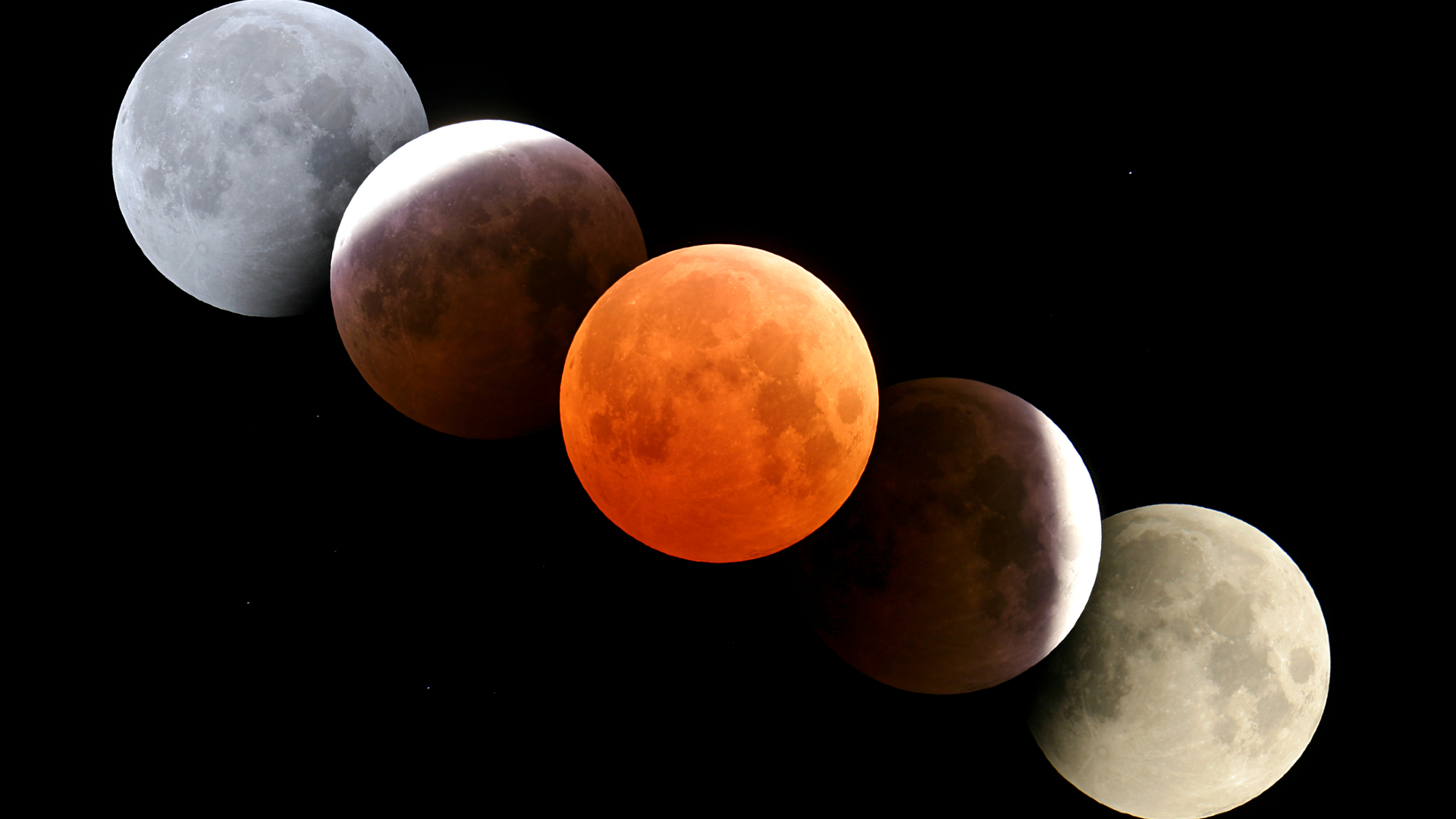
This is the star of the show, like the March 2026 Total Lunar Eclipse Details. During a total eclipse, the entire Moon passes through the darkest part of Earth’s shadow, known as the umbra. Even then, some sunlight still reaches the Moon. It gets filtered and refracted by Earth’s atmosphere. This process scatters blue light more effectively. It leaves behind the longer, redder wavelengths. This is what gives the Moon its characteristic reddish hue, often earning it the nickname “blood moon.”
-
Partial Lunar Eclipse: A Nibble Out of the Moon
A partial lunar eclipse happens when only a portion of the Moon enters the umbra. You’ll see a dark, curved bite taken out of the Moon. The rest of the Moon remains bright. It’s a fascinating sight, but not as dramatic as a total eclipse.
-
Penumbral Lunar Eclipse: A Subtle Dimming
This is the most subtle type of eclipse. The Moon only passes through Earth’s fainter outer shadow, called the penumbra. The dimming is often so slight it’s hard to notice. Only keen observers might detect a slight darkening of the Moon’s surface.
The March 2026 Total Lunar Eclipse: Your Essential Viewing Guide
Now, let’s focus on the star of our discussion: the March 2026 Total Lunar Eclipse Details. This promises to be a truly awe-inspiring event. Preparing for it means knowing exactly when and where to watch.
The Exact Date and Key Timings
Mark your calendars for March 3, 2026! This is the exact date when this magnificent lunar display will unfold. The timings are crucial for planning your observation. All times below are in Coordinated Universal Time (UTC), so you’ll need to convert them to your local time.
| Eclipse Phase | UTC Time (March 3, 2026) | Description |
|---|---|---|
| Penumbral Eclipse Begins | 06:10 UTC | Moon enters Earth’s faint outer shadow; subtle darkening. |
| Partial Eclipse Begins | 07:15 UTC | Moon begins to enter the umbra; a noticeable ‘bite’ appears. |
| Total Eclipse Begins | 08:20 UTC | Entire Moon is engulfed in the umbra; reddish hue starts. |
| Maximum Eclipse | 09:00 UTC | Deepest point of the eclipse; Moon appears darkest red. |
| Total Eclipse Ends | 09:40 UTC | Moon begins to exit the umbra; brightness returns. |
| Partial Eclipse Ends | 10:45 UTC | Moon fully exits the umbra; only penumbra remains. |
| Penumbral Eclipse Ends | 11:50 UTC | Eclipse officially concludes; Moon returns to full brightness. |
Duration and Magnitude: How Deep Will the Blood Moon Be?
The duration of totality for the March 2026 Total Lunar Eclipse is approximately 80 minutes. This is a generous amount of time to soak in the view. The magnitude of the eclipse is predicted to be around 1.3. A magnitude greater than 1.0 indicates a deep total eclipse. This means the Moon will pass well within Earth’s umbra, promising a vibrant reddish hue.
Visibility Zones: Where to See the Show
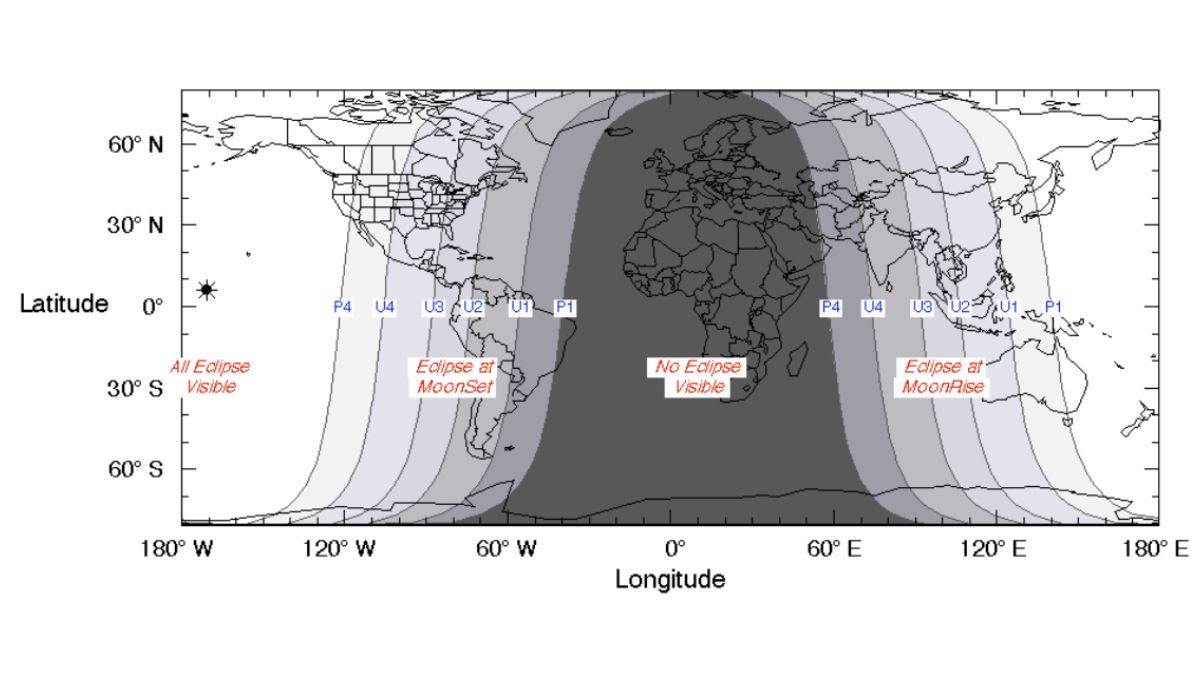
One of the most exciting aspects is knowing if you’re in a prime visibility zone. This total eclipse will be visible across significant geographical regions. Skywatchers in North America, South America, Western Europe, and parts of Africa will have excellent views. For those outside these regions, parts of the eclipse might still be visible. This depends on your local time and horizon.
| Region | Best Viewing (Approx. Local Time for Totality) | Visibility Notes |
|---|---|---|
| North America (East Coast) | 3:20 AM – 4:40 AM EDT | Excellent views of totality; Moon will be high in the sky. |
| North America (West Coast) | 12:20 AM – 1:40 AM PDT | Totality occurring in the very early morning hours. |
| South America | 4:20 AM – 5:40 AM ART/BRT | Good visibility across the continent. |
| Western Europe | 9:20 AM – 10:40 AM GMT | Eclipse may occur close to sunrise; check local conditions. |
| Africa (West & Central) | 8:20 AM – 9:40 AM WAT | Morning visibility; check local sunrise times. |
Always double-check specific sky map applications or local astronomy news for precise timings in your exact location. This will help you perfectly plan your viewing session.
Preparing for Your Eclipse Viewing Experience
A little preparation goes a long way in making your observation memorable. While lunar eclipses are safe to view directly, some equipment can enhance your experience. Let’s get ready for an evening of stargazing.
Finding the Perfect Spot: Location, Location, Location
Choosing your viewing location is key. Look for a spot with an unobstructed view of the moon. Ideally, this means an area away from tall buildings and trees. Light pollution is also a factor. While a lunar eclipse is bright enough to cut through some light pollution, darker skies enhance the experience. Consider parks, open fields, or even your backyard if you have a clear view of the sky.

Essential Equipment for Enhanced Viewing
The beauty of a lunar eclipse is that it requires no special safety gear. Unlike solar eclipses, you can safely view it with the naked eye. However, a few tools can make the experience even more stunning.
-
Naked Eye: Simplicity and Grandeur
Your own eyes are perfectly sufficient. The Moon is a large, bright object. Its transformation will be clearly visible. Simply step outside, look up, and enjoy the show.
-
Binoculars: Bringing the Moon Closer
A good pair of binoculars will provide a magnified view. You’ll be able to discern more surface details. The subtle color changes during totality become more apparent. They offer a fantastic balance of magnification and ease of use.
-
Telescopes: The Ultimate Close-Up
For the avid astronomer, a telescope offers the most detailed view. You’ll see craters and lunar seas with incredible clarity. Experiment with different eyepieces. This will allow you to adjust the magnification. It’s a fantastic way to study the Earth’s shadow as it moves across the Moon.
Weather Watch: Clear Skies Ahead?
Unfortunately, we can’t control the weather. Keep an eye on the forecast for March 3, 2026, as the date approaches. Cloudy skies can obstruct your view. If it looks cloudy, don’t despair! Even partial breaks in the clouds might offer glimpses. You might even catch a glimpse of the full moon peeking through. This makes the brief observation even more precious.
Observing the Eclipse: A Step-by-Step Experience
Understanding the progression of the eclipse will deepen your appreciation. Each phase offers a unique visual treat. Let’s walk through what you can expect to see from start to finish.
The Initial Penumbral Phase: A Subtle Hint
The penumbral eclipse begins as the Moon enters Earth’s outer, fainter shadow. This is often the hardest phase to discern. The Moon might appear slightly dusky or muted. Many people won’t notice a difference. However, if you’re looking closely, you might detect a very subtle shading.
The Partial Phase: The First Bite
As the Moon enters the umbra, the darker, inner shadow, the partial eclipse begins. You’ll see a distinct, curved dark edge slowly creeping across the Moon’s face. This is where the action truly starts to become obvious. The Moon will gradually lose its brightness. This phase can be quite beautiful. It creates a stark contrast between the shadowed and illuminated parts.
The Total Phase: The Mesmerizing Blood Moon
This is the moment everyone waits for. The total eclipse begins when the entire Moon is immersed in the umbra. Instead of disappearing, the Moon will take on that characteristic reddish hue. The color can vary from bright orange to deep brick red. It sometimes even appears a very dark coppery brown. Factors like dust and clouds in Earth’s atmosphere influence the exact shade. This is the perfect time for sustained observation and enjoying the stunning display.
Maximum Eclipse: The Deepest Red
At maximum eclipse, the Moon is deepest within the umbra. This is typically when its color is most intense and darkest. Take a moment to simply gaze up. Imagine the light from distant sunrises and sunsets around the entire globe illuminating the Moon. It’s truly a global phenomenon. It makes you feel connected to our planet and beyond.
Exiting the Umbra: Brightness Returns
After total eclipse ends, the process reverses. The Moon begins to emerge from the umbra. First, a thin, bright sliver will reappear on one edge. This marks the start of the second partial phase. The Moon will gradually regain its brightness. This transformation is just as captivating as its descent into darkness. Finally, the partial eclipse ends and the Moon exits the umbra entirely. It will once again be a full, bright full moon in the sky.
Capturing the Celestial Beauty: Photography Tips
Many skywatchers want to photograph this rare celestial event. With a little planning, you can capture some amazing shots of the March 2026 Total Lunar Eclipse Details.
Basic Camera Settings for Lunar Photography
Photographing a lunar eclipse requires adjusting your camera settings throughout the event. The Moon’s brightness changes dramatically. During the penumbral and partial phases, it’s quite bright. You’ll need faster shutter speeds and lower ISO settings. As totality approaches, the Moon becomes much dimmer. You’ll need to increase your ISO and use slower shutter speeds. Using a tripod is essential for these slower speeds. This prevents camera shake and ensures crisp images.
| Eclipse Phase | ISO Suggestion | Shutter Speed Suggestion | Aperture Suggestion | Notes |
|---|---|---|---|---|
| Full Moon (Pre-Eclipse) | 100-200 | 1/125 – 1/250 sec | f/8 – f/11 | For bright, sharp details of the full moon. |
| Partial Eclipse | 200-400 | 1/60 – 1/125 sec | f/5.6 – f/8 | As more of the moon darkens, adjust exposure. |
| Total Eclipse (Bright ‘Blood Moon’) | 800-1600 | 1 – 4 sec | f/2.8 – f/5.6 | Use a tripod! Experiment with longer exposures. |
| Total Eclipse (Dark ‘Blood Moon’) | 1600-3200+ | 4 – 30+ sec | f/2.8 – f/4 | For very faint moons, requires careful focus and long exposure. |
Equipment for Astrophotography
Beyond your camera, some key accessories will greatly improve your eclipse photos. A sturdy tripod is non-negotiable for sharp images. A telephoto lens (200mm or more) will help bring the Moon closer. Consider a remote shutter release or self-timer. This minimizes camera shake when pressing the shutter button. Manual focus is also highly recommended. This allows for precise focusing on the lunar surface.
Composing Your Shot: Beyond the Moon Itself
While a close-up of the blood moon is captivating, consider wider landscape shots. Include a foreground element like trees or a prominent landmark. This adds context and scale to your photograph. During totality, when the Moon is dimmer, you might even capture some surrounding stars. This creates a truly unique astronomical photograph.
The Broader Context: Lunar Eclipses in Culture and Science
Lunar eclipses are more than just pretty sights. They have played a significant role in human history and scientific understanding. This adds another layer to appreciating the March 2026 Total Lunar Eclipse Details.
Myths, Legends, and Ancient Beliefs
Across cultures, lunar eclipses often inspired awe, fear, and wonder. Many ancient civilizations viewed them as omens. Some believed a celestial beast was devouring the Moon. Others saw it as a temporary death and rebirth. These stories reflect humanity’s early attempts to understand the cosmos. They highlight the awe-inspiring nature of such events.
Scientific Advancements: Unlocking Celestial Mechanics
From a scientific perspective, lunar eclipses have been invaluable. Ancient Greek astronomers used them to deduce the Earth was spherical. They observed the curved shape of Earth’s shadow on the Moon. Later, eclipses helped us understand celestial mechanics and the precise orbital mechanics of the Moon. Modern astronomers continue to track and predict these events with incredible accuracy. This demonstrates our deep understanding of the solar system.
Beyond March 2026: Continuing Your Skywatching Journey
The March 2026 Total Lunar Eclipse is a fantastic reason to look up. But it’s just one of many wonders the night sky offers. We encourage you to continue your skywatching adventures.
Other Celestial Events to Anticipate
Keep an eye out for other upcoming celestial events. These include meteor showers, planetary conjunctions, and even more eclipses. Websites and apps dedicated to astronomy news are great resources. They help you stay informed about what’s happening above. Regularly checking a sky map can reveal upcoming highlights. Each event offers a unique perspective on our universe.
The Joy of Stargazing and Space Exploration
Embrace the joy of stargazing. It’s a wonderful hobby that connects us to the vastness of space exploration. Learning about the phases of the moon or identifying constellations can be very rewarding. Every clear night is an opportunity for observation. It’s a chance to witness the beauty and grandeur of the cosmos from your own backyard. You can even join local astronomical societies. Share your experiences with fellow enthusiasts. This creates a stronger sense of community and shared wonder.
Final Thoughts on the March 2026 Total Lunar Eclipse
The March 2026 Total Lunar Eclipse Details present a magnificent opportunity for anyone with a curious spirit. Whether you’re a seasoned astronomer or a first-time observer, this total eclipse promises a mesmerizing view. Take the time to plan your viewing, gather your equipment, and prepare to be amazed. Witnessing the blood moon in its full glory is a powerful reminder of the universe’s ongoing spectacle. Don’t miss this rare chance to look up and connect with the cosmos.
Frequently Asked Questions
When exactly is the March 2026 Total Lunar Eclipse and where will it be visible?
The March 2026 Total Lunar Eclipse occurs on March 3, 2026. The totality phase is expected from 08:20 UTC to 09:40 UTC. It will be primarily visible across North America, South America, Western Europe, and parts of Africa. Check local timings and sky maps for precise details in your specific region.
What makes the Moon appear red during a Total Lunar Eclipse?
During a total lunar eclipse, the Moon passes through Earth’s darkest shadow (umbra). Sunlight filtering through Earth’s atmosphere is scattered, with blue light scattered away, leaving red and orange light to reach the Moon. This light then reflects back to us, creating the ‘blood moon’ effect.
Do I need special equipment to watch the March 2026 Total Lunar Eclipse?
No special equipment is needed; the total lunar eclipse is safe to view directly with the naked eye. However, binoculars or a small telescope can greatly enhance your viewing experience, allowing you to see more surface details and appreciate the subtle color variations.
Can I photograph the March 2026 Total Lunar Eclipse, and what are some basic tips?
Yes, you can photograph the eclipse! Use a camera with manual controls and a sturdy tripod. For totality, you’ll need to increase ISO (e.g., 800-3200+) and use slower shutter speeds (e.g., 1-30 seconds) to capture the dimmer, red Moon. A telephoto lens will help zoom in on the lunar disc.
