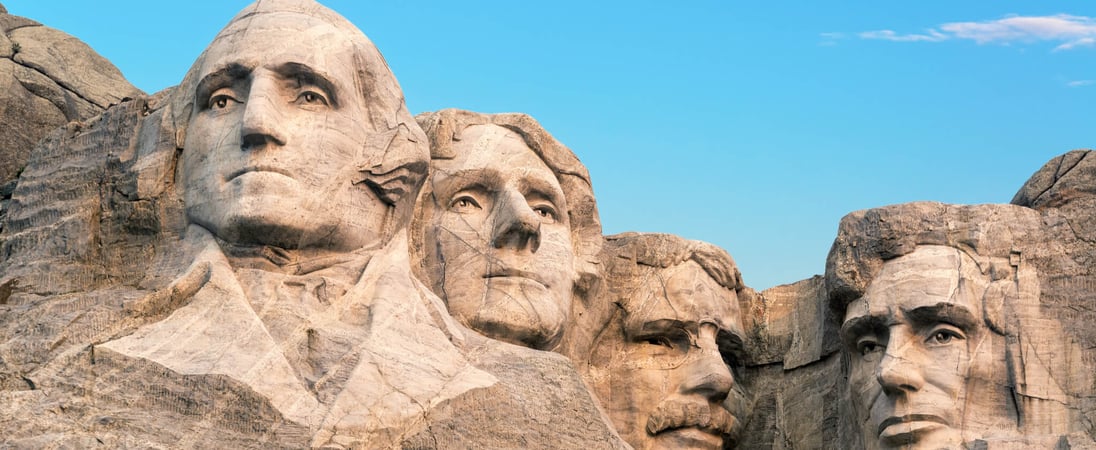
As an expert in American history and cultural observances, I find few holidays as rich in meaning and civic importance as Presidents’ Day. When we look towards Presidents’ Day 2026 Historical Significance, we’re not just marking a date on the calendar. We’re engaging with a profound tradition of honoring the individuals who have shaped the very fabric of the United States. This federal holiday, observed on the third Monday of February, offers a unique opportunity for reflection. It allows us to delve into the presidential legacies that continue to influence our nation.
Understanding Presidents’ Day 2026
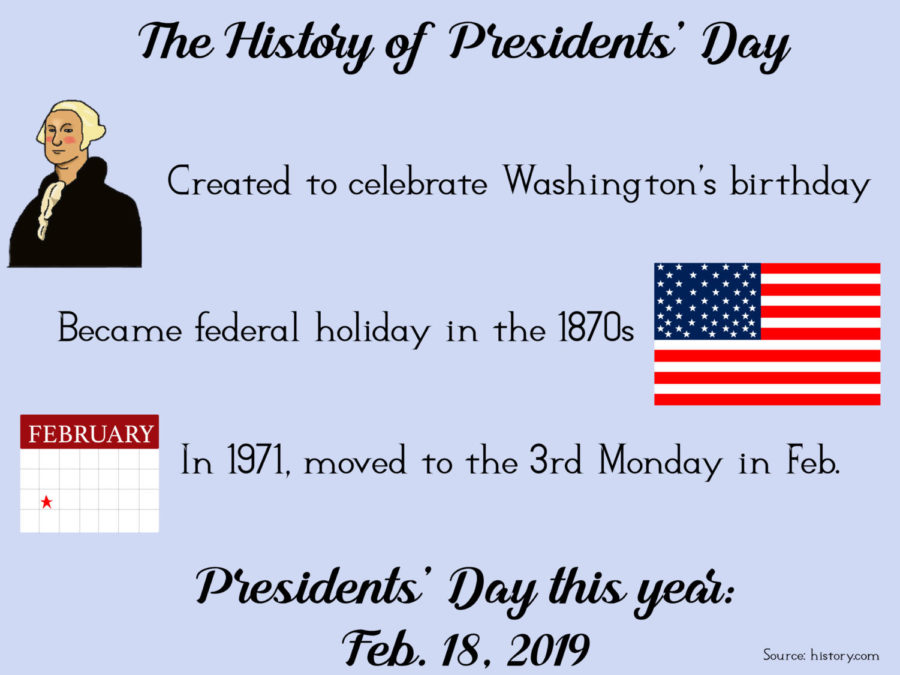
Presidents’ Day in 2026 falls on Monday, February 16th. While officially still designated as Washington’s Birthday by the federal government, it has evolved into a broader commemoration. It celebrates all U.S. presidents, though particular emphasis remains on George Washington and Abraham Lincoln. This observance is far more than a simple day off from work or school. It’s a moment to pause and consider the immense responsibilities and challenges faced by those in the nation’s highest office. Understanding its historical significance helps us appreciate the ongoing journey of American democracy.
More Than Just a Day Off: A Deeper Look
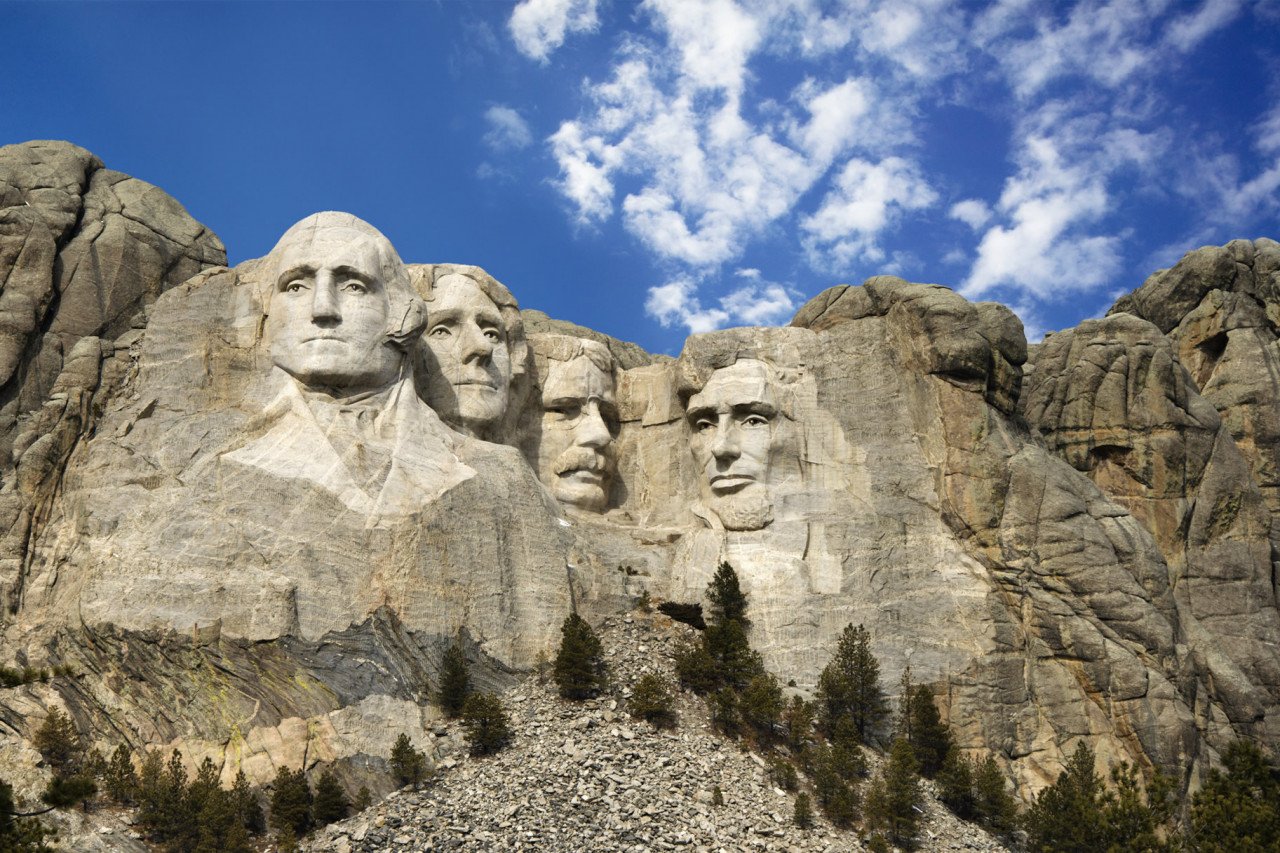
For many, Presidents’ Day might primarily signal retail sales or a long weekend. However, its true value lies in its power as an educational and unifying force. It encourages us to look beyond consumerism. Instead, we can focus on the principles of leadership, service, and the sacrifices made by our nation’s leaders. Schools often use this time for special programs. These programs teach students about American history and the roles of the executive branch. It’s a prime occasion to explore the foundations of our government.
The Origins: From Washington’s Birthday to a Unified Holiday
The story of Presidents’ Day begins with the celebration of George Washington’s birthday. Washington, born on February 22, 1732, was revered even during his lifetime. His birthday became an unofficial national holiday shortly after his death. It was formally recognized as a federal holiday in 1879 for government offices in Washington D.C. By 1885, it had expanded to cover all federal offices nationwide. This made it the first federal holiday to honor an American citizen. The intention was clear: to cement the legacy of a man considered the father of the nation.
George Washington: The Indispensable Man
George Washington’s leadership during the American Revolution and his two terms as president were critical. His actions set many precedents for the office. He exemplified a commitment to republican ideals over personal power. His Farewell Address remains a timeless document. It warns against political factions and foreign entanglements. Reflecting on Washington’s contributions provides essential context for national identity discussions. His strategic military genius and steadfast resolve forged a nation from disparate colonies. His peaceful transfer of power cemented democratic principles.
Abraham Lincoln’s Enduring Legacy
Later in the 19th century, another monumental figure emerged: Abraham Lincoln. Born on February 12, 1809, Lincoln’s birthday also became a widely celebrated occasion, particularly in the northern states. His leadership during the Civil War preserved the Union. His efforts to abolish slavery fundamentally reshaped American society. Lincoln’s speeches, like the Gettysburg Address, continue to inspire. They speak to the ideals of equality and justice for all. His unwavering commitment to a united nation, even in its darkest hour, underscores the profound significance of presidential leadership lessons.
The Uniform Monday Holiday Act: A Shift in Observance
The modern form of Presidents’ Day came about with the Uniform Monday Holiday Act of 1971. This act shifted several federal holidays to Mondays. The goal was to create more three-day weekends for federal employees. Washington’s Birthday was moved from February 22nd to the third Monday in February. This move placed it between Lincoln’s and Washington’s traditional birthdays. While the federal designation remained “Washington’s Birthday,” the public quickly adopted “Presidents’ Day.” It recognized a broader homage to all presidents. This legislative change significantly altered how the holiday was perceived and celebrated across the country. It also led to its widespread commercialization, a trend that continues to this day.
Why Presidents’ Day Still Matters in 2026
Even in the 21st century, the relevance of Presidents’ Day endures. It’s a vital reminder of the continuous effort required to maintain a democratic republic. It prompts us to critically examine the past. By doing so, we gain insights into present challenges and future aspirations. The holiday transcends mere historical commemoration. It acts as a civic compass, guiding our understanding of national purpose. Its presence on the calendar serves as a tangible link to our foundational past.
Reflecting on Presidential Leadership
Presidents’ Day offers an invaluable opportunity for collective reflection on leadership. It allows us to consider the diverse styles and philosophies that have guided the nation. From the stoicism of Washington to the eloquence of Lincoln, and beyond, each president faced unique circumstances. Their decisions, successes, and even failures offer critical lessons. Examining these provides a deeper understanding of governance and human nature. It’s a chance to appreciate the complexities of governing a vast and diverse nation. We can learn from their approaches to both domestic and international affairs, understanding the long-term impacts of their policies.
Educating Future Generations on American History
For educators and parents, Presidents’ Day is a crucial moment. It’s a chance to engage children in civic education and American heritage. Teaching about the lives and times of presidents instills a sense of historical awareness. It also fosters an appreciation for democratic institutions. Many schools organize special activities, readings, or presentations during this period. These initiatives help to bring history alive for students. They connect abstract concepts of government to real people and events. It’s a fundamental aspect of cultivating informed and engaged citizens.
The Symbolism of Unity and National Identity
In a diverse nation like the United States, symbols of unity are paramount. Presidents’ Day serves as one such symbol. It represents a shared history and a common set of ideals, despite our differences. It reminds us that regardless of political affiliation, we are all part of the same national story. The holiday encourages a sense of national pride and shared purpose. It allows us to honor the office of the presidency itself, a cornerstone of our constitutional republic. This collective remembrance strengthens our ties to one another and to our foundational principles.
Key Presidential Figures and Their Impact
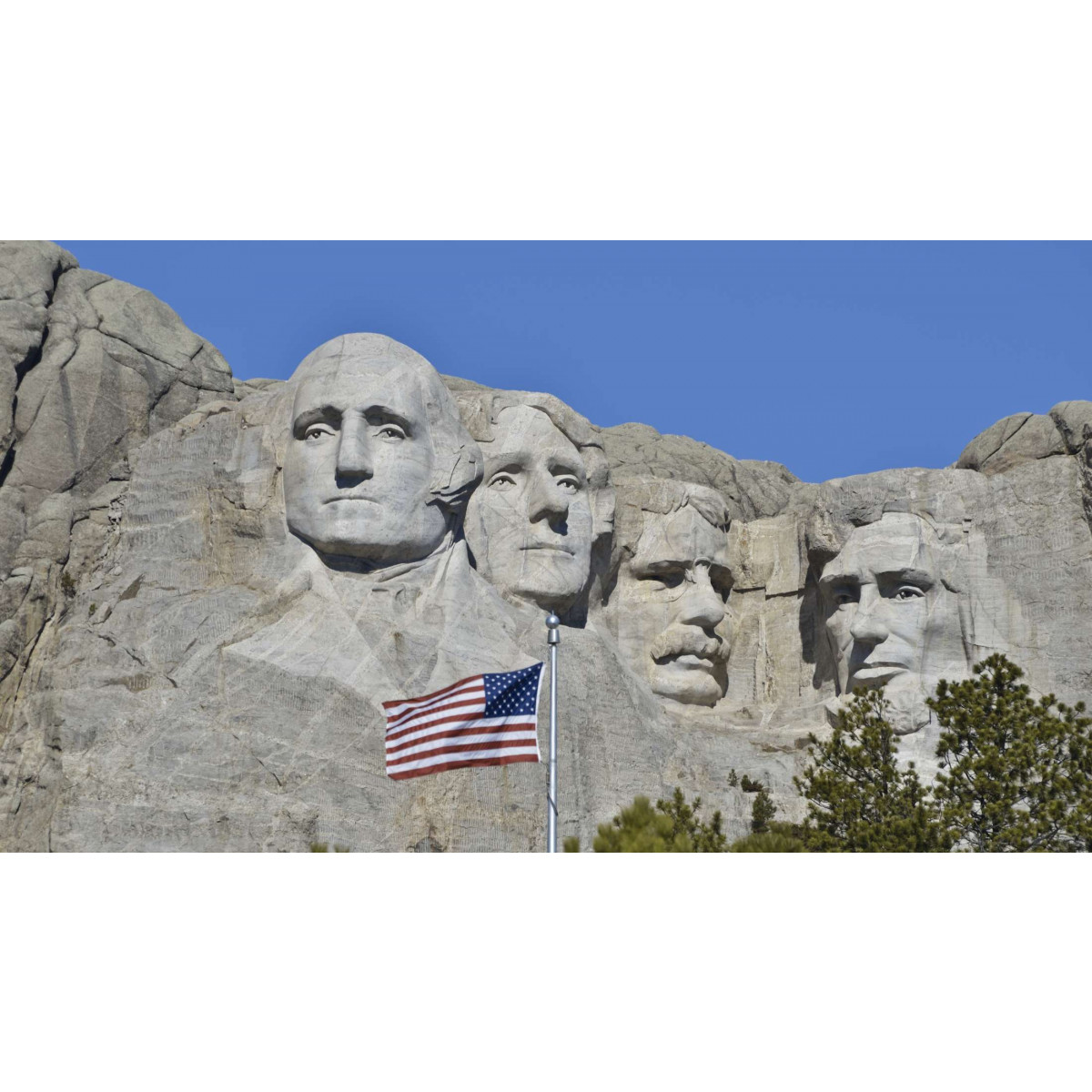
While Washington and Lincoln often take center stage, Presidents’ Day truly encompasses the contributions of all who have held the office. Each president has left an indelible mark, facing unique challenges and making decisions that have shaped the nation’s trajectory. From the framers of the Constitution to modern leaders navigating global complexities, their stories are intertwined with the story of America.
Early Presidents: Setting the Foundation
The early presidents were instrumental in establishing the United States as a viable republic. They grappled with defining federal power, managing foreign relations, and expanding the nation. Their actions laid down the very groundwork for future generations. Studying their struggles and triumphs offers a foundational understanding of American governance. It highlights the ingenuity and foresight required to build a new nation.
| President | Term | Key Contribution / Challenge |
|---|---|---|
| George Washington | 1789-1797 | Established presidential precedents; steered nascent republic through early challenges. |
| John Adams | 1797-1801 | Navigated Quasi-War with France; signed Alien and Sedition Acts. |
| Thomas Jefferson | 1801-1809 | Louisiana Purchase; faced Barbary Pirates. |
| James Madison | 1809-1817 | War of 1812; strengthened national defense. |
| James Monroe | 1817-1825 | Monroe Doctrine; Era of Good Feelings. |
Modern Presidents: Navigating New Challenges
The role of the president has evolved significantly since the nation’s founding. Modern presidents face a globalized world, technological advancements, and complex social issues. Their decisions impact not just the nation, but often the entire world. From Franklin D. Roosevelt’s leadership through the Great Depression and World War II, to John F. Kennedy’s space race ambitions, and Ronald Reagan’s Cold War policies, each era brings its own set of trials. Presidents’ Day invites us to consider how these leaders adapted. It helps us understand how they shaped policy to meet emerging needs. It is crucial to remember the scope and breadth of the office. The choices made by these individuals resonate for decades.
The Cultural Landscape of Presidents’ Day 2026
Beyond its solemn historical reflections, Presidents’ Day has carved out a unique space in American culture. It influences everything from educational curricula to commercial activities. Understanding this cultural landscape helps contextualize the holiday’s broader impact. Its multifaceted presence highlights how historical events become ingrained in everyday life. We see it reflected in everything from classroom lessons to shopping mall banners.
Educational Initiatives and Public Engagement
Schools and historical institutions across the country leverage Presidents’ Day for special educational programming. Museums, such as Mount Vernon or the Lincoln Presidential Library, often host events. These events provide deeper insights into the lives of presidents. Online resources and public libraries also play a significant role. They offer materials for families to explore presidential history at home. These initiatives are vital for fostering a well-informed citizenry. They ensure that the lessons of the past are not forgotten. The opportunity to engage with primary sources and historical interpretations brings these figures to life.
Commercial Aspects: Sales and Shopping
It’s impossible to ignore the commercial side of Presidents’ Day. Retailers frequently advertise substantial sales on everything from cars to furniture. This tradition has grown significantly over the decades. While it contrasts with the holiday’s original intent, it has become an undeniable part of its modern observance. Many Americans use the long weekend to make significant purchases. This economic activity, while distinct from historical reflection, has cemented the holiday’s place in the annual calendar. It demonstrates the intersection of culture and commerce in modern observances.
Family Traditions and Civic Participation
For many families, Presidents’ Day is a chance for quality time together. Some might visit historical sites or museums. Others might simply enjoy the extra day off. Discussions about past presidents, their challenges, and their contributions often arise naturally. This casual civic participation helps to transmit knowledge and values across generations. It reinforces a sense of shared heritage. Engaging in these informal learning experiences contributes to a broader understanding of civic duty and national belonging. It is a subtle yet powerful way to keep history alive.
The Enduring Lessons from Presidential Legacies
The study of presidential legacies offers profound lessons that extend beyond mere historical facts. These lessons are highly relevant to contemporary leadership and societal challenges. They provide frameworks for understanding difficult decisions. They also illuminate the complexities of governance. It’s a continuous learning process that spans centuries of experience.
Leadership in Times of Crisis
Every president has faced moments of crisis, whether it was war, economic depression, or social upheaval. How they responded, the principles they upheld, and the strategies they employed offer invaluable insights. Washington’s leadership during the American Revolution, Lincoln’s navigation of the Civil War, and Franklin D. Roosevelt’s response to the Great Depression are prime examples. These stories highlight resilience, moral courage, and strategic thinking under immense pressure. They provide blueprints for future leaders. Understanding their decision-making processes can inspire us. It can also help us better evaluate current events.
The Evolution of Democracy
The presidency itself has evolved alongside American democracy. From the initial vision of a limited executive to the powerful office it is today, each president has contributed to its shape. The expansion of voting rights, the changing demographics of the nation, and shifting global roles have all influenced the office. Reflecting on this evolution helps us appreciate the ongoing work of democracy. It underscores the importance of an engaged citizenry. The continuous push and pull of different political ideologies has shaped the very institutions we rely on.
Personal Reflections on Service and Sacrifice
Ultimately, Presidents’ Day invites personal reflection. It asks us to consider the immense burden and personal sacrifice involved in leading a nation. The lives of presidents, often marked by intense scrutiny and personal hardship, serve as powerful testaments. They demonstrate a dedication to public service. Understanding these personal stories adds a human dimension to history. It fosters empathy and a deeper appreciation for the complex role of leadership. It’s a moment to truly appreciate the weight of the office. We can reflect on the human element behind monumental decisions.
Presidents’ Day 2026: Looking Ahead
As we approach Presidents’ Day 2026, its Historical Significance remains as strong as ever. It is a holiday that grounds us in our past. It also challenges us to consider our future. The principles of leadership, democracy, and national unity that it embodies are timeless. In a rapidly changing world, looking back at the foundation built by our presidents offers valuable perspective. It reminds us of the core values that have sustained the United States through various trials. This constant reflection is essential for national growth and understanding.
Preserving History for Future Generations
The ongoing preservation of presidential history is not merely an academic exercise. It is a civic imperative. By maintaining historical sites, digitizing documents, and promoting historical research, we ensure that future generations can learn directly from the past. Presidents’ Day plays a vital role in this effort. It highlights the importance of keeping these stories alive. It encourages continued engagement with the lives and decisions of our leaders. This commitment to historical accuracy and accessibility is fundamental. It empowers citizens to draw their own informed conclusions about their nation’s journey. It solidifies the understanding that history is not static, but a dynamic, unfolding narrative.
In conclusion, Presidents’ Day 2026 offers a powerful opportunity for every American. It allows us to honor the past, reflect on leadership, and reinforce our commitment to democratic ideals. The Presidents’ Day 2026 Historical Significance is not just about remembering dates and names. It’s about understanding the enduring impact of those who have held the nation’s highest office. Their legacies continue to shape our present and guide our future.
“}
, “excerpt”: “Explore the enduring significance of Presidents’ Day 2026. Delve into presidential legacies, American history, and the evolution of this vital federal holiday.
