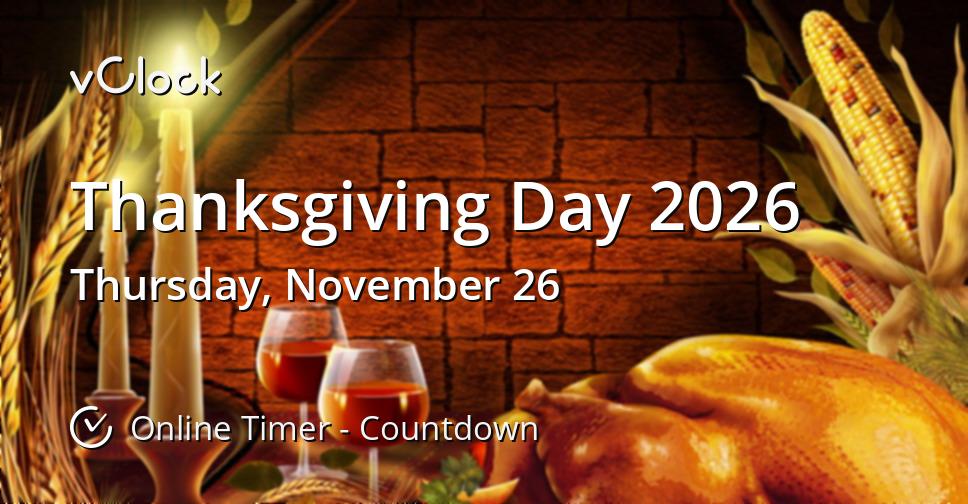
As the leaves begin to turn vibrant shades of red and gold, and the crisp autumn air invigorates our senses, many of us start to think about one of America’s most cherished holidays: Thanksgiving. Specifically, understanding the Thanksgiving Day 2026 Date And History is key to appreciating this deeply rooted annual celebration. For 2026, Thanksgiving Day falls on Thursday, November 26, 2026, adhering to the long-standing tradition of observing it on the fourth Thursday of November. This date offers a perfect opportunity for reflection, gratitude, and gathering with loved ones, continuing a story that stretches back centuries.
Understanding the Fixed Date: When is Thanksgiving Day 2026?
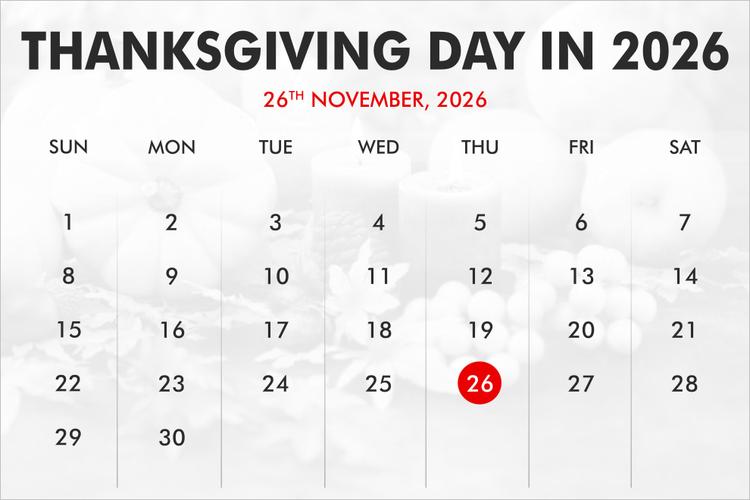
While many holidays shift annually, the date of Thanksgiving in the United States remains consistently tied to a specific rule: it is always celebrated on the fourth Thursday in November. This means that for 2026, you can mark your calendars for Thursday, November 26, 2026. This fixed schedule helps families plan their Thanksgiving holiday planning, allowing for travel arrangements, meal preparations, and other festivities well in advance. Knowing the date far ahead of time ensures that everyone can anticipate this special family gathering and make the most of the long weekend.
Why the Fourth Thursday? A Look at the Legislative History
The decision to place Thanksgiving on the fourth Thursday of November wasn’t always so clear-cut. For many years after President Abraham Lincoln declared it a national holiday in 1863, it was observed on the *last* Thursday of the month. This sometimes led to a holiday that fell late in November, shortening the Christmas shopping season, which was a concern for retailers and economists during the Great Depression. In 1939, President Franklin D. Roosevelt attempted to move Thanksgiving to the third Thursday of November. This move, dubbed “Franksgiving,” caused considerable confusion, with some states observing the traditional date and others following the presidential proclamation. It wasn’t until 1941 that Congress stepped in, passing a joint resolution to officially declare Thanksgiving as a legal public holiday, to be observed on the fourth Thursday of November. This legislative act finally solidified the date we celebrate today, including Thanksgiving Day 2026.
The Deep Historical Roots of Thanksgiving: A Story of Gratitude and Survival
To truly grasp the significance of Thanksgiving Day 2026 Date And History, we must delve into its origins. The story often begins with the iconic first Thanksgiving feast of 1621 in Plymouth, Massachusetts. This event, however, was not initially known as Thanksgiving, nor was it intended to be an annual tradition in the way we understand it today.
The 1621 Plymouth Harvest Celebration: Pilgrims and Wampanoag
In the autumn of 1621, after a devastating first winter that claimed many lives, the Plymouth colonists, often referred to as Pilgrims, experienced a successful harvest. To celebrate their good fortune and give thanks, they organized a three-day harvest festival. Crucially, they invited members of the Wampanoag tribe, who had previously assisted the struggling colonists with farming and survival techniques. This gathering was a harvest celebration, a communal feast shared between two distinct cultures, acknowledging a bountiful yield and a fragile, yet vital, alliance. Historical accounts suggest the menu included wild fowl, venison, corn, and other native foods. It was a moment of genuine gratitude and thankfulness for survival and partnership, laying a foundational, though complex, layer in the American history of Thanksgiving.
Beyond Plymouth: Early American Observances
While the 1621 event is widely referenced, it’s important to note that various harvest festivals and days of thanks were common in colonial America. These were often spontaneous, regional, and declared in response to specific events like successful harvests, military victories, or relief from drought. They weren’t unified until much later. George Washington issued the first presidential Thanksgiving proclamation in 1789, calling for a day of public thanksgiving and prayer, but it was a one-off event, not an annual mandate. The concept of a nationwide, annual holiday dedicated to gratitude took time to evolve.
The Architects of a National Holiday: Sarah Josepha Hale and Abraham Lincoln
The journey from sporadic local observances to a unified national holiday was a long one, championed by determined individuals and shaped by pivotal historical moments.
Sarah Josepha Hale’s Tireless Advocacy
For over three decades, magazine editor and writer Sarah Josepha Hale campaigned tirelessly for a national Thanksgiving holiday. Through countless editorials, letters to governors, senators, and presidents, she championed the idea of a day of unity and gratitude for the entire nation. She believed that a common holiday could help knit together a fractured nation. Her relentless efforts eventually caught the attention of President Abraham Lincoln.
Lincoln’s 1863 Proclamation: Unifying a Divided Nation
In the midst of the Civil War, with the nation deeply divided, President Abraham Lincoln saw the unifying potential of a national day of thanks. On October 3, 1863, he issued a proclamation declaring a national Thanksgiving Day to be celebrated on the last Thursday of November. Lincoln’s proclamation, penned by Secretary of State William H. Seward, called upon Americans to set aside a day for “thanksgiving and praise to our beneficent Father who dwelleth in the Heavens.” This was a momentous declaration, establishing the holiday as a permanent fixture in the American calendar and giving it immense historical significance. It recognized the importance of expressing gratitude and thankfulness even during times of profound national crisis.
| Year | Event / Significance | Impact on Thanksgiving |
|---|---|---|
| 1621 | Plymouth colonists and Wampanoag celebrate a successful harvest. | Often cited as the “first Thanksgiving,” though not officially recognized as such at the time. A harvest celebration of gratitude. |
| 1789 | George Washington issues a proclamation for a day of public Thanksgiving and prayer. | First presidential proclamation for a national day of thanks, but not an annual tradition. |
| 1863 | President Abraham Lincoln declares Thanksgiving a national holiday, to be observed annually on the last Thursday of November. | Establishes Thanksgiving as a national holiday and sets the precedent for its annual observance. Key moment in American history of Thanksgiving. |
| 1939-1941 | President Franklin D. Roosevelt moves Thanksgiving to the third Thursday in November (Franksgiving) to extend the Christmas shopping season. | Controversial change, highlighting the economic and social impact of the holiday date. Led to two different Thanksgiving dates in some years. |
| 1941 | Congress passes a joint resolution, officially establishing Thanksgiving as a legal public holiday on the fourth Thursday of November. | Solidifies the modern date and ensures consistency across all states. The date for Thanksgiving Day 2026 stems directly from this resolution. |
Modern Thanksgiving Traditions: A Tapestry of American Culture
Today, Thanksgiving is more than just a date on the calendar; it’s a vibrant cultural observance filled with rich traditions. While the core message of gratitude and thankfulness remains, the ways we celebrate have evolved into a distinct American experience. These traditions shape how families and communities anticipate and enjoy Thanksgiving Day 2026.
The Traditional Thanksgiving Meal
At the heart of almost every Thanksgiving celebration is the traditional Thanksgiving meal. This elaborate feast is typically centered around a roasted turkey, often accompanied by a wide array of side dishes. These usually include stuffing or dressing, mashed potatoes with gravy, cranberry sauce, green bean casserole, sweet potato casserole, and various seasonal vegetables. The meal culminates with classic desserts like pumpkin pie and pecan pie. Preparing this meal is often a labor of love, a multi-generational effort that brings families together in the kitchen and around the dining table. It’s a culinary journey rooted in both historical precedent and regional variations, making each family’s spread uniquely their own.
Family Gatherings and Giving Thanks
Thanksgiving is pre-eminently a family gathering holiday. It’s a time when relatives travel across states or simply across town to share a meal, reconnect, and create new memories. Many families have their own unique rituals, whether it’s going around the table and sharing what everyone is thankful for, playing board games, or simply enjoying each other’s company. This emphasis on family and collective gratitude and thankfulness reinforces the holiday’s fundamental purpose.
Parades, Football, and Festive Preparations
Beyond the dinner table, Thanksgiving traditions extend to public spectacles and sporting events. The Macy’s Thanksgiving Day Parade in New York City is a beloved annual event, featuring giant balloons, elaborate floats, marching bands, and celebrity performances. It signals the official start of the holiday season for many. Alongside the parade, American football games are a quintessential part of the day, with many families gathering to watch professional or collegiate matchups. These activities provide entertainment and a sense of shared national experience, adding to the festive atmosphere. Thanksgiving holiday planning often involves coordinating these viewing schedules alongside meal times.
Planning for Thanksgiving Day 2026: Making the Most of the Holiday
With Thursday, November 26, 2026, on the horizon, it’s never too early to start thinking about how to celebrate. Whether you’re hosting, traveling, or looking for ways to give back, a little foresight can ensure a smooth and joyful experience.
Travel Considerations for 2026
Thanksgiving is one of the busiest travel periods of the year in the United States. If you’re planning to visit family or friends, consider booking flights, train tickets, or making car travel arrangements well in advance. Roadways can become congested, and airports notoriously packed. Flexibility with travel dates, if possible, can often save stress and money. For Thanksgiving Day 2026, booking early is always the best strategy to secure preferred times and avoid last-minute surges in prices.

Hosting a Memorable Feast
For those taking on the role of host for Thanksgiving Day 2026, organization is key. Planning your menu, creating shopping lists, and delegating tasks to family members can make the process much more enjoyable. Consider preparing dishes that can be made in advance, like certain desserts or casseroles, to reduce stress on the actual day. Don’t be afraid to ask for help; many guests are happy to bring a dish or contribute to the preparation. Remember, the goal is a joyful family gathering, not culinary perfection.
Beyond the Plate: Giving Back and Reflection
While food and family are central, Thanksgiving also offers a profound opportunity for reflection and giving back. Many individuals and families participate in charitable activities, volunteering at food banks, soup kitchens, or donating to those in need. This act of service can deepen the meaning of gratitude and thankfulness and extend the spirit of the holiday to the wider community. It’s a beautiful way to honor the holiday’s roots in communal sharing and support.
Thanksgiving Day 2026: A Continuation of History and Tradition
As we anticipate Thanksgiving Day 2026, we’re not just looking forward to a single day; we’re stepping into a rich tapestry woven from centuries of history, cultural evolution, and deeply personal family traditions. From the initial harvest celebration of 1621 involving the Pilgrims and Wampanoag, through Sarah Josepha Hale’s persistent advocacy, to Abraham Lincoln’s momentous proclamation and congressional solidification, the holiday has grown and adapted. It remains a testament to the enduring American spirit of resilience, community, and, above all, gratitude.
Whether you’re sharing a traditional Thanksgiving meal, cheering on a football team, watching the Macy’s Thanksgiving Day Parade, or simply enjoying quiet moments with loved ones, the essence of the holiday persists. The Thanksgiving Day 2026 Date And History reminds us that this isn’t just a day off, but a cherished opportunity to pause, reflect, and give thanks for the blessings in our lives, connecting us all through a shared cultural observance that defines a significant part of the American experience. So, mark your calendars for Thursday, November 26, 2026, and prepare to embrace the warmth and wonder of this enduring American tradition.
Frequently Asked Questions
When is Thanksgiving Day in 2026?
Thanksgiving Day in 2026 will be celebrated on Thursday, November 26, 2026. It always falls on the fourth Thursday of November in the United States.
What is the historical origin of Thanksgiving?
The holiday’s roots are often traced back to the 1621 harvest feast shared by the Plymouth colonists and the Wampanoag people. However, it was President Abraham Lincoln who officially declared Thanksgiving a national holiday in 1863, setting it on the last Thursday of November, a date later adjusted to the fourth Thursday by Congress in 1941.
Why was the date of Thanksgiving changed in the past?
Initially, Thanksgiving was observed on the last Thursday of November. In 1939, President Franklin D. Roosevelt moved it to the third Thursday to extend the Christmas shopping season during the Great Depression. This led to confusion, and in 1941, Congress passed a resolution to permanently set the holiday on the fourth Thursday of November.
What are some common Thanksgiving traditions today?
Modern Thanksgiving traditions include gathering for a large family meal, typically featuring roasted turkey and various side dishes, watching American football games, and enjoying the Macy’s Thanksgiving Day Parade. Many also use the day as an opportunity for reflection and acts of charity or service.