Welcome, fellow sky-gazers and cosmic enthusiasts! As we step into the new year, the universe often gifts us with breathtaking celestial displays. For those wondering what meteor showers are in January 2026, get ready for a spectacular start to your astronomical year. The night sky in January 2026 promises some truly memorable moments, primarily featuring one of the most consistently exciting annual events: the Quadrantid meteor shower.
Unveiling January 2026’s Celestial Spectacle
January is a month that often goes overlooked for meteor showers, overshadowed by the more famous Perseids or Geminids. However, January 2026 holds a special charm, offering a robust display for dedicated observers. The cold, crisp winter nights in the Northern Hemisphere provide wonderfully dark skies, often perfect for watching shooting stars.
The Quadrantids: January’s Premier Shower
Without a doubt, the star of the show for what meteor showers are in January 2026 is the Quadrantid meteor shower. This annual event is known for its intense, sharp peak and bright meteors, often producing fireballs. While it’s a short-lived shower, lasting only a few hours at its peak, its potential for high activity makes it a must-see for anyone with a keen interest in the night sky.
The Quadrantids are unique. Their parent body is not a comet, but rather an asteroid. This makes them stand out among most other major meteor showers. Their activity window is quite narrow, making precise timing essential for observation.
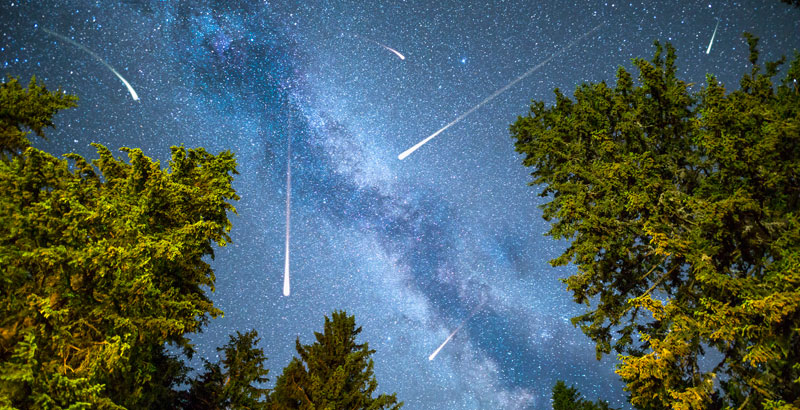
Are There Other January Showers in 2026?
While the Quadrantids dominate, January can also offer glimpses of minor meteor streams. These are typically far less active. You might occasionally spot a stray meteor from a less prominent shower, or simply a ‘sporadic’ meteor. Sporadic meteors are not associated with any particular stream and can appear from any direction. Always keep an eye out!
Deep Dive into the Quadrantid Meteor Shower for 2026
The Quadrantids are arguably one of the best annual meteor showers, yet they are often missed. Their brief, intense peak requires observers to be ready and watching at precisely the right moment. Let’s explore what makes them so special for January 2026.
Understanding the Quadrantids’ Unique Origin
Unlike most meteor showers which originate from comets, the Quadrantids are believed to come from an asteroid. This asteroid is known as 2003 EH1. Scientists hypothesize that 2003 EH1 might actually be an ‘extinct comet.’ This means it’s a comet that has lost all its volatile ice, leaving behind a rocky, asteroid-like core. As Earth passes through the dusty trail left by 2003 EH1, these particles enter our atmosphere, burning up as bright streaks of light.
This unusual parent body contributes to the shower’s distinct characteristics. The meteoroids from 2003 EH1 are thought to be somewhat fragile. This leads to many bright, short-lived meteors.
Peak Viewing Times and Conditions for January 2026
For January 2026, the Quadrantid meteor shower is expected to peak around January 3rd to 4th. The precise peak time is often very short, sometimes lasting only a few hours. This makes timing crucial for optimal viewing.
For observers in North America, the peak often occurs in the early morning hours. This means the pre-dawn hours of January 4th will be your best bet. Always check local astronomy websites closer to the date for the most accurate predictions tailored to your specific location. A favorable moon phase is also crucial. For January 3-4, 2026, the moon will be a waxing crescent, offering minimal interference. This makes the 2026 Quadrantids potentially excellent.
Predicting the ZHR: What to Expect
The Zenithal Hourly Rate (ZHR) is a measure used to describe a meteor shower’s intensity. It represents the number of meteors an observer would see per hour under perfect, dark-sky conditions with the radiant directly overhead. The Quadrantids are famous for their highly variable ZHR, which can range from 60 to over 200 meteors per hour during its peak!
However, achieving this theoretical rate in real-world conditions is rare. Factors like light pollution, the radiant’s altitude, and atmospheric conditions all reduce the actual number seen. Even so, the potential for dozens of bright meteors per hour is exciting. The ZHR for 2026 is predicted to be strong due to the favorable moon conditions. This means you have a real chance to see a truly memorable display.
Locating the Radiant Point in Boötes
All meteor showers appear to originate from a single point in the sky. This is called the radiant. For the Quadrantids, the radiant lies within the constellation of Boötes, the Herdsman. While you don’t need to look directly at the radiant to see meteors (they can appear anywhere in the sky), locating it helps confirm you’re seeing Quadrantids. Meteors appearing further from the radiant will have longer trails.
Boötes is easily found by extending the arc of the Big Dipper’s handle. It’s identifiable by its bright star, Arcturus. Observing after midnight and before dawn, when the radiant is higher in the sky, will maximize your chances of seeing more meteors. The higher the radiant, the more meteors you can see.
| Meteor Shower | Active Dates (Approx.) | Peak Date (Jan 2026) | Radiant Constellation | Parent Body | ZHR (Under Ideal Conditions) | Moon Phase Impact (Jan 2026 Peak) |
|---|---|---|---|---|---|---|
| Quadrantids | Dec 28 – Jan 12 | Jan 3rd/4th (Pre-dawn Jan 4th ideal for NA) | Boötes | Asteroid 2003 EH1 | 60 – 200+ | Favorable (Waxing Crescent, Low Illumination) |
| Minor January Showers (e.g., Gamma Ursae Minorids) | Various | Generally low activity throughout Jan | Varies | Varies | ~1-5 | Depends on specific peak; generally low impact due to low rates |
Mastering Meteor Shower Observation: Expert Tips for January 2026
To truly enjoy the Quadrantids or any other celestial event in January 2026, a little preparation goes a long way. These tips will help you maximize your viewing experience.
Finding Your Perfect Dark Sky Location
Light pollution is the number one enemy of meteor shower observers. City lights drastically reduce the number of meteors you can see. The best advice is to get away from urban centers. Seek out rural areas, state parks, or dedicated dark-sky preserves.
Even a suburban backyard can offer decent views if you can shield yourself from direct streetlights. Prioritize an unobstructed view of the entire sky. Laying on a blanket or in a reclining chair is ideal.
Essential Gear (or Lack Thereof!) for Stargazing
One of the beauties of meteor showers is that you don’t need any special equipment. Your eyes are the best tool! Binoculars or telescopes limit your field of view too much to be useful for spotting fast-moving meteors. However, preparing for the cold is crucial.
- Warm Clothing: Layers are key. Think thermal underwear, hats, gloves, and thick socks.
- Comfortable Seating: A reclining lawn chair or a blanket on the ground will save your neck.
- Warm Beverages: A thermos of hot chocolate or tea can be a lifesaver on a cold January night.
- Red-Light Flashlight: Preserve your night vision with a flashlight that has a red light setting.
Allowing Your Eyes to Adapt to the Dark
Your eyes need time to adjust to the darkness. This process, called dark adaptation, can take 20-30 minutes. Avoid looking at bright screens (phones, tablets) during this time. Even a quick glance at a white light can reset your night vision, forcing you to start over.
Once adapted, your eyes become much more sensitive. This allows you to spot fainter meteors and details in the Milky Way. Be patient and give your eyes the time they need.
Patience is a Virtue: How Long to Watch
Meteors arrive in bursts, not a steady stream. You might see several in a minute, then none for ten minutes. Allocate at least an hour or two for your viewing session. This increases your chances of catching a spectacular display, especially during the peak hours of the Quadrantids.
Dress warmly enough to stay comfortable for an extended period. The longer you watch, the more likely you are to be rewarded with dazzling celestial streaks.
Moonlight and Its Impact on Visibility
The moon’s phase significantly impacts meteor shower visibility. A bright full moon can wash out fainter meteors, much like light pollution. For the Quadrantids in January 2026, the moon will be a waxing crescent, offering very favorable conditions. This low lunar illumination means the sky will be darker, allowing you to see many more meteors, even the fainter ones.
Always check the moon phase for any night you plan to observe. A dark sky combined with a minimal moon is the optimal viewing scenario for any meteor shower. This makes the January 2026 Quadrantids particularly promising.
Beyond the Quadrantids: Other January Celestial Wonders (2026)
While the Quadrantids steal the show, January 2026 offers other celestial delights for the vigilant observer. It’s always worth scanning the skies for more than just meteors.
Exploring Minor Meteor Streams
Several very minor meteor showers are active throughout January, such as the Gamma Ursae Minorids and Delta Cancrids. These typically have very low ZHRs, often only a few meteors per hour. While they won’t put on a grand show, spotting one of these faint, sporadic meteors can be a special treat. They remind us that Earth is constantly sweeping up cosmic dust.
Planetary Conjunctions and Deep-Sky Objects
January skies also offer excellent opportunities to view planets. Keep an eye on celestial calendars for any potential planetary conjunctions or bright planetary sightings. Additionally, winter nights are prime time for observing deep-sky objects. Constellations like Orion, Taurus, and Canis Major are prominent, boasting impressive nebulae and star clusters visible with binoculars or a small telescope. The Orion Nebula (M42) is always a stunning target.
Understanding Meteor Showers: The Science Behind the Spectacle
What exactly are these dazzling streaks of light we call shooting stars? Understanding the science behind them adds another layer of appreciation to the spectacle.

From Meteoroids to Meteors to Meteorites
It starts with a meteoroid: a small rocky or metallic body in outer space. These are often fragments of comets or asteroids. When a meteoroid enters Earth’s atmosphere, it heats up due to friction with the air. This produces a streak of light, which we call a meteor (or a “shooting star”). Most meteors burn up completely high in the atmosphere.
Occasionally, a larger piece survives its fiery descent and impacts the Earth’s surface. At this point, it is called a meteorite. These are incredibly rare finds and provide scientists with valuable insights into the composition of our solar system.
The Role of Comets and Asteroids
Most meteor showers, like the famous Perseids, are caused by Earth passing through the dusty debris trails left by comets. As a comet orbits the sun, it sheds ice and dust particles. These particles continue along the comet’s orbital path. When Earth intersects this path, the debris enters our atmosphere.
As we learned with the Quadrantids, some showers, though fewer, originate from asteroids. This underscores the diverse origins of cosmic dust in our solar system. Whether from comets or asteroids, these tiny fragments offer us a tangible connection to the building blocks of planets.
Earth’s Journey Through Space
Meteor showers are a direct result of Earth’s orbital journey around the Sun. Our planet continually travels through space, encountering these streams of cosmic debris. Each year, at roughly the same time, Earth intersects particular debris trails. This predictable timing allows astronomers to forecast meteor showers with great accuracy.
It’s a beautiful reminder that we are constantly moving through a dynamic, dust-filled environment. Every meteor we see is a small piece of our solar system’s history briefly illuminating our night sky.
Why Observe Meteor Showers? A Human Connection to the Cosmos
Beyond the scientific intrigue, there’s a deeply human element to watching meteor showers. It’s an experience that transcends mere observation.
Inspiring Awe and Wonder
In our busy, digitally connected lives, taking time to look up at the night sky can be profoundly impactful. The sight of a bright meteor streaking across the darkness inspires a sense of awe and wonder. It reminds us of the vastness of the universe and our place within it. These moments can be surprisingly meditative and grounding.
Connecting with the Universe
Watching a meteor shower is a shared human experience that spans millennia. Our ancestors gazed at these same celestial events, weaving them into myths and legends. Today, it offers a tangible connection to the cosmos, a reminder that we are part of something much larger than ourselves. It’s a chance to feel connected to the grand dance of planets and stardust.
A Fun, Free Family Activity
Meteor showers are one of the few astronomical events that require no special equipment, making them accessible to everyone. They offer a fantastic, free activity for families and friends. Packing a picnic, some warm blankets, and heading to a dark spot can create lasting memories. It’s an educational opportunity, sparking curiosity about science and space in people of all ages.
Conclusion
As we anticipate the arrival of January 2026, the prospect of the Quadrantid meteor shower is truly exciting. With favorable lunar conditions predicted, this could be an exceptional year to witness one of nature’s most dazzling light shows. Remember to dress warmly, find a dark sky, and allow your eyes to adjust to the darkness. By following these simple tips, you’ll be well-prepared to answer the question of what meteor showers are in January 2026 with a resounding, “The Quadrantids, and they were magnificent!” Don’t miss this opportunity to connect with the cosmos and witness the beauty of our solar system in action.
Frequently Asked Questions
What is the main meteor shower to watch in January 2026?
The primary meteor shower for January 2026 is the Quadrantid meteor shower. It’s known for its short, intense peak and can produce many bright meteors, including fireballs.
When is the best time to see the Quadrantid meteor shower in January 2026?
The Quadrantid meteor shower is expected to peak around January 3rd to 4th, 2026. For optimal viewing, look in the pre-dawn hours of January 4th, especially if you are in the Northern Hemisphere. The moon will be a favorable waxing crescent, minimizing light interference.
What equipment do I need to observe the Quadrantids?
You don’t need any special equipment like telescopes or binoculars to watch meteor showers. Your unaided eyes are best for scanning a wide area of the sky. However, warm clothing, a comfortable chair, and a red-light flashlight are highly recommended for an enjoyable viewing experience.
Where should I go to get the best view of meteor showers?
To get the best view, find a location away from city lights, where light pollution is minimal. Rural areas, state parks, or designated dark-sky preserves offer ideal conditions. Ensure you have an unobstructed view of the sky, and allow your eyes at least 20-30 minutes to adapt to the dark.