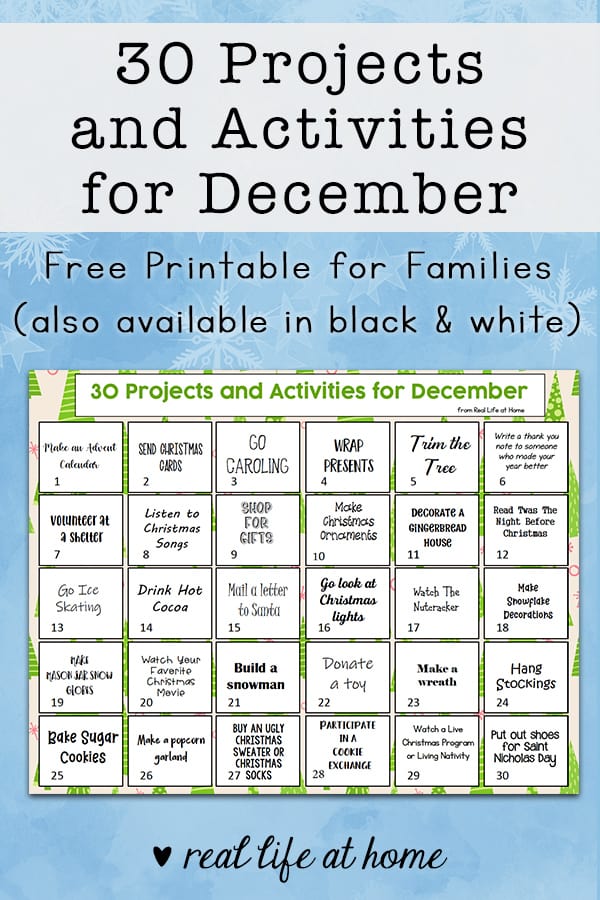
December arrives, often cloaked in a sense of wonder and anticipation. As parents and educators, we have a unique opportunity to harness this seasonal magic to teach children invaluable lessons. The question of what to teach kids about December goes far beyond just holiday preparations; it delves into culture, history, compassion, and the natural world. From the crisp air to the twinkling lights, December offers a rich tapestry of learning experiences waiting to be explored.

Unwrapping December’s Educational Gifts for Children
December is a month brimming with teachable moments. It’s a time of change, celebration, and reflection. For young minds, it presents an exciting blend of the familiar and the new.
More Than Just Holidays: A Month of Richness
While many minds immediately jump to holidays, December encompasses so much more. It marks the shift into deeper winter in many parts of the world, bringing with it shorter days and longer nights. This natural phenomenon, including the winter solstice, offers a fantastic entry point for scientific observation. It’s also the end of a calendar year, a natural point for reviewing and looking ahead.
Fostering Curiosity and Lifelong Learning
Kids are naturally curious. December’s unique atmosphere, filled with diverse traditions and natural changes, fuels this innate desire to understand. By engaging them in discussions and activities, we cultivate a love for learning that extends far beyond the festive season. This holistic approach ensures we are truly addressing what to teach kids about December in a meaningful way.
Exploring Global Celebrations and Cultural Diversity
One of the most profound lessons December offers is the incredible diversity of human celebration. Across the globe, people observe this month with unique customs and profound meanings.
A World of Traditions and Shared Joy
December is a kaleidoscope of festivals. We have the eight nights of Hanukkah, celebrating light and miracles. Christmas brings stories of hope and generosity. Kwanzaa highlights community and African heritage. Many cultures observe New Year’s Eve with distinct rituals, from fireworks to special foods. Even lesser-known celebrations like St. Lucia Day in Sweden or Dongzhi Festival in East Asia offer rich learning opportunities.
Embracing Inclusivity and Understanding
Teaching children about these diverse celebrations fosters empathy and respect. It shows them that while our traditions may differ, the underlying values of family, community, and joy are universal. It’s crucial for kids to understand that not everyone celebrates in the same way, and all traditions deserve respect. This creates a foundation for global citizenship.
Hands-On Cultural Exploration Activities
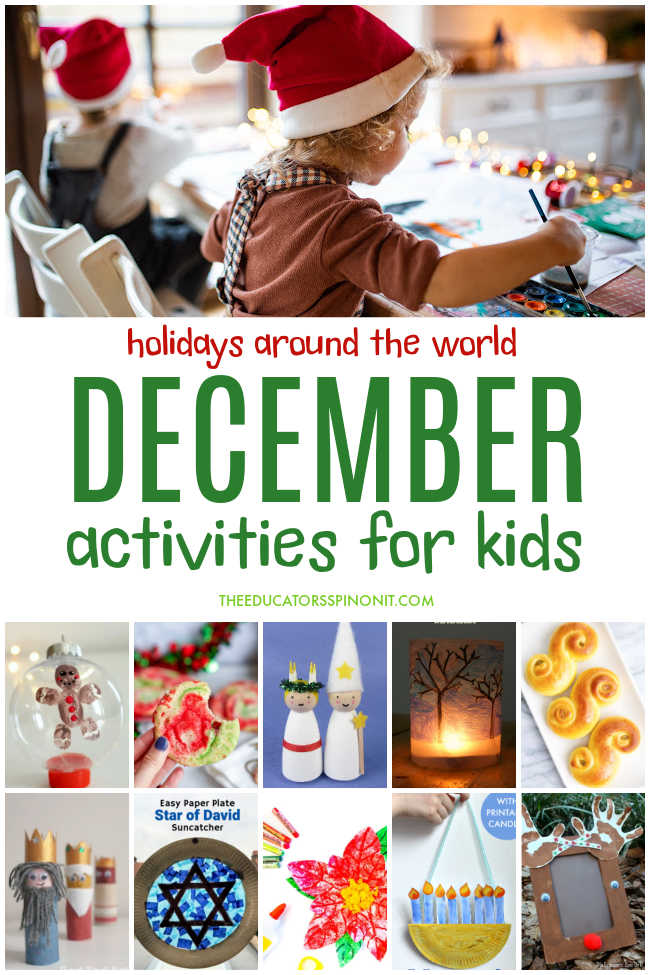
Engage children directly with these different cultures. You could try making dreidels for Hanukkah, crafting paper lanterns for Dongzhi, or discussing the symbolism of the Kinara for Kwanzaa. Reading books about global December customs for young learners is also an excellent way to transport them to other parts of the world. These hands-on experiences make learning tangible and memorable.
Below is a table highlighting some key December celebrations and what aspects to focus on when teaching children:
| Celebration | Key Aspects to Teach | Values Emphasized | Common Activities |
|---|---|---|---|
| Christmas | Birth of Jesus, Santa Claus, gift-giving, carols, evergreen trees | Joy, generosity, family, faith | Decorating, caroling, baking, gift exchange |
| Hanukkah | Miracle of oil, Maccabees, religious freedom, light | Faith, miracles, perseverance, light over darkness | Lighting menorah, dreidel games, latkes, gelt |
| Kwanzaa | African heritage, community, principles (Nguzo Saba) | Unity, self-determination, collective work, purpose | Lighting kinara, feasts (Karamu), gift exchange (Zawadi), storytelling |
| Winter Solstice | Shortest day, return of light, seasonal change, ancient traditions | Nature cycles, reflection, hope, renewal | Bonfires, nature walks, making seasonal crafts |
| New Year’s Eve | End of year, new beginnings, reflection, resolutions | Hope, renewal, goal-setting, celebration | Countdown, fireworks, making resolutions, family gatherings |
Understanding Historical Significance and The Power of Storytelling
Every December tradition has a story. Delving into the origins helps children connect with the past and understand the enduring nature of human customs.
Tracing the Roots of December Celebrations
Briefly explaining the historical context behind holidays can be fascinating for kids. For example, learning about the ancient Roman Saturnalia, which influenced some Christmas traditions, or the historical struggle for religious freedom behind Hanukkah. This December history for kids provides a deeper appreciation for the celebrations we observe today.
Sharing Meaningful Narratives and Lessons
Stories are powerful tools for teaching values. Whether it’s the story of Rudolph, the historical accounts of the Maccabees, or the principles of Nguzo Saba for Kwanzaa, narratives resonate with children. These stories convey abstract concepts like courage, generosity, and perseverance in an accessible format. Encourage children to share their own family stories and traditions.
Instilling Values of Giving, Kindness, and Gratitude
Perhaps the most cherished aspect of December is the emphasis on generosity and goodwill. This month provides ample opportunities to nurture these vital character traits in children.
The Spirit of Generosity and Empathy in Action
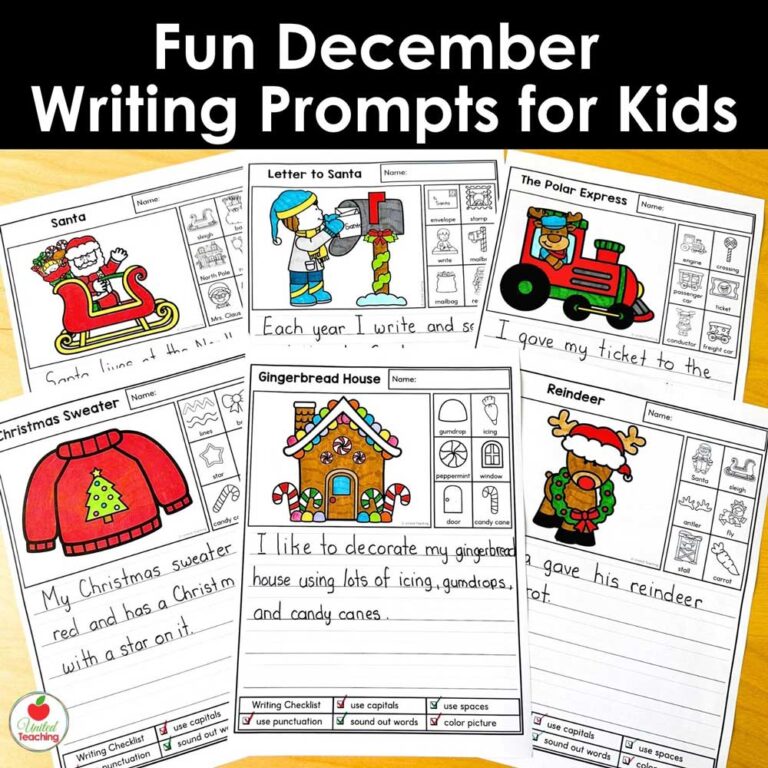
December is synonymous with giving. Teach children that giving isn’t just about presents, but about acts of kindness and helping others. Discuss why it’s important to share, donate toys, or volunteer time. These kindness and giving activities for December build empathy and a sense of community responsibility.
Cultivating a Practice of Gratitude
Amidst all the excitement, it’s essential to pause and reflect on what we are thankful for. Encourage daily gratitude practices, such as a family ‘gratitude jar’ where everyone writes down something they appreciate each day. This simple exercise helps children recognize the abundance in their lives. This aspect is key to truly enriching what to teach kids about December.
Building Strong Family Traditions and Bonds
Creating family traditions during December helps solidify bonds and creates cherished memories. These don’t have to be elaborate; baking cookies together, reading a special book, or going on a winter walk can be just as meaningful. These shared experiences reinforce family values and provide a sense of belonging.
Embracing Winter Wonders and Nature Exploration
Beyond the cultural festivities, December is also a season of distinct natural beauty. It’s a wonderful time to teach children about the changing environment.
Uncovering Seasonal Science and Animal Adaptations
Discuss why days are shorter and temperatures drop. Explain the science behind snowflakes and ice. Talk about how animals adapt to winter, whether through hibernation, migration, or changing their coats. These winter season education for children topics can spark an early interest in science and ecology.
Outdoor Adventures (Weather Permitting)
If the weather allows, encourage outdoor play and observation. Look for animal tracks in the snow, identify evergreen trees, or simply appreciate the quiet beauty of a winter landscape. Even a brisk walk can be an opportunity for discovery and connection with nature.
Practical Activities to Engage Kids Throughout December
Learning is most effective when it’s interactive and fun. Here are some engaging ways to bring December’s lessons to life.
Creative Arts and Crafts
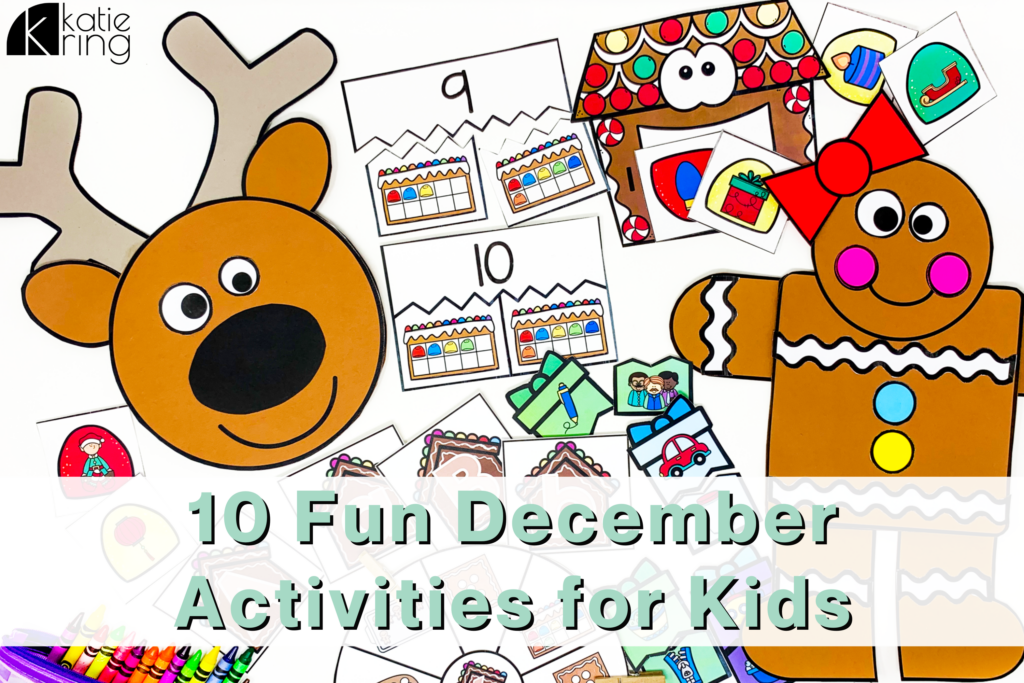
Hands-on projects are perfect for December. Think about making handmade ornaments, creating unique holiday cards, or building a gingerbread house. These educational December crafts for kids not only foster creativity but also provide tangible results of their learning and effort.
Reading and Storytelling Sessions
Cuddle up with December-themed books, whether they are stories about holidays, winter animals, or tales of kindness. Encourage children to tell their own stories, perhaps about their favorite December memories or traditions. This enhances literacy and imaginative thinking.
Cooking and Baking Festive Treats
Involve kids in preparing holiday meals or baking cookies. This teaches practical skills like measuring and following instructions. It also creates delicious memories and reinforces the joy of sharing food with loved ones. It’s a sweet way to teach about different cultures through their cuisines.
Community Involvement and Acts of Service
Look for opportunities to get involved in your community. Help at a local food bank, sing carols at a nursing home, or simply shovel a neighbor’s driveway. These activities directly teach the importance of giving back and making a positive impact on the world around us. This is crucial for December values education.
Age-Appropriate Approaches to December Learning
How you teach about December should vary based on a child’s developmental stage.
For Preschoolers: Simple Concepts and Sensory Play
Focus on very basic concepts like light, cold, and different colors. Engage their senses with festive smells, sounds, and textures. Keep explanations short and activities highly interactive and playful. For this age, age-appropriate December lessons mean concrete experiences.
For Elementary Schoolers: Deeper Dives and Hands-On Projects
This age group can handle more detailed stories and explanations. They enjoy hands-on projects, asking questions, and drawing connections between different traditions. Encourage them to research a holiday or tradition that interests them, fostering independence.
For Middle Schoolers: Critical Thinking and Community Impact
Middle schoolers can engage in more complex discussions about the historical, social, and even economic impacts of holidays. Encourage critical thinking about consumerism versus true meaning. Involve them in larger community service projects where they can see the direct impact of their efforts. For them, making December meaningful for children involves understanding broader concepts.
Making December Learning Fun and Memorable
Ultimately, the goal is to create positive and enriching experiences that children will remember fondly.
The Power of Play in Education
Learning doesn’t have to be formal. Integrate games, songs, and imaginative play into your December activities. Children often absorb the most when they are enjoying themselves. Make it a joyful exploration rather than a chore.
Creating Lasting Memories and Traditions
The shared moments, laughter, and discoveries are what truly stick with children. These family holiday learning activities become the fabric of their childhood. By intentionally crafting meaningful experiences, we help them appreciate the richness of December for years to come.
December offers an unparalleled canvas for teaching children about the world, its diverse cultures, and the timeless values of kindness and generosity. By focusing on what to teach kids about December with intention and creativity, we empower them with knowledge, empathy, and cherished memories that will last a lifetime. Let’s make this December a truly educational and heartwarming experience for our young learners.
Frequently Asked Questions
What are the key themes to teach children about December?
The key themes include cultural diversity through various global celebrations (Christmas, Hanukkah, Kwanzaa), the values of giving, kindness, and gratitude, the historical significance of traditions, and natural winter phenomena like the winter solstice and seasonal changes.
How can I make learning about December holidays inclusive for my child?
To foster inclusivity, teach children about a wide range of global celebrations beyond just your family’s traditions. Read books, engage in crafts, and discuss foods from different cultures. Emphasize respect and understanding for all ways of celebrating, ensuring your child appreciates the beauty in diversity.
What are some age-appropriate activities for teaching kids about December?
For preschoolers, focus on sensory play and simple concepts. Elementary schoolers can engage in hands-on projects, research, and deeper discussions. Middle schoolers can explore historical context, critical thinking, and community service projects. Tailor activities to their developmental stage for maximum engagement.
How can I instill values of giving and kindness in my children during December?
Encourage acts of service, such as donating toys, volunteering, or helping neighbors. Discuss why giving back is important. Implement a ‘gratitude jar’ to promote daily reflection on blessings. Lead by example, and involve children in charitable efforts to show them the positive impact of their actions.