As we look ahead, one date looms large on the calendar for every engaged citizen: Election Day in November 2026. Marking a pivotal moment in the democratic process, this upcoming election is more than just a date; it’s a fundamental opportunity to shape the future of our communities, states, and nation. Understanding when this vital day occurs and what it entails is the first step towards active participation. Mark your calendars, because the federal Election Day in November 2026 is set for Tuesday, November 3, 2026.
Understanding When Is Election Day In November 2026
The United States has a remarkably consistent schedule for its federal elections, a tradition rooted deep in its history. This regularity ensures predictability and gives ample time for campaigns, voter registration, and public engagement. For the 2026 cycle, citizens across the nation will head to the polls on Tuesday, November 3, 2026.
The Fixed Date of American Elections
Federal elections in the U.S. adhere to a specific legal framework established in 1845. This law mandates that general elections for federal offices, including members of Congress and presidential electors, take place on ‘the Tuesday next after the first Monday in November.’ This seemingly complex phrasing serves a practical purpose.
This phrasing ensures that Election Day never falls on November 1st, All Saints’ Day, which could conflict with religious observances for some voters. It also prevents the election from falling on the first day of the month, which might be a busy day for merchants closing their books. Therefore, Election Day can occur anywhere from November 2nd to November 8th. For 2026, the calendar aligns perfectly for November 3, 2026, to be this crucial date.
Why the ‘First Tuesday After the First Monday’?
The choice of a Tuesday in November wasn’t arbitrary. In the 19th century, before modern transportation, it often took voters a full day to travel to their county seat, cast their ballot, and return home. A Tuesday election allowed people to travel on Monday without interfering with Sunday worship or market day, which was traditionally held on Wednesday.
November was chosen as it fell after the autumn harvest was complete, but before harsh winter weather made travel difficult. This careful consideration of the agrarian society’s rhythm created a system that aimed to maximize voter participation in an era vastly different from our own. While transportation and daily life have changed dramatically, this historical timing persists, making November 3, 2026, our next date with democracy.
What’s at Stake in the November 2026 Elections?
While 2026 isn’t a presidential election year, it’s a critical midterm election cycle. Midterms are often seen as a referendum on the sitting president’s party and can significantly shift the balance of power in Washington D.C., as well as in state capitals and local governments. Understanding the scope of these elections is crucial for informed voting.
Federal Elections: Midterms Explained
The federal midterm elections in 2026 will see all 435 seats in the U.S. House of Representatives contested. Representatives serve two-year terms, so every seat is up for grabs. Additionally, approximately one-third of the U.S. Senate seats will be on the ballot. Senators serve six-year terms, with elections staggered to ensure continuity.
These races directly impact which party controls Congress, which in turn affects legislative priorities, committee assignments, and the ability to pass or block critical legislation. A shift in control can dramatically alter the nation’s political trajectory for the latter half of the presidential term. Voters will need to research their specific congressional and senatorial candidates well before Election Day in November 2026.
Key State and Local Races to Watch
Beyond federal contests, a multitude of state and local elections will also take place on November 3, 2026. Many states will hold gubernatorial elections for governor, which are incredibly influential for state policy. State legislative seats (state senators and representatives) will also be contested, impacting laws related to education, healthcare, infrastructure, and more.
Local elections, including mayoral races, city council seats, school board positions, and county commissions, are often overlooked but directly affect daily life. These officials make decisions about local taxes, public services, zoning, and education. Understanding who is running and what they stand for in these local contests is just as vital as federal races.
Understanding Ballot Initiatives and Referendums
In many states, voters won’t just choose candidates; they’ll also decide on ballot initiatives and referendums. These are proposals that appear directly on the ballot for public vote. Initiatives are often proposed by citizens or groups, while referendums are typically put forth by state legislatures to approve or reject laws.
These measures can cover a wide array of topics, from tax policy and environmental regulations to social issues and constitutional amendments. Researching these propositions thoroughly is essential, as they can have a profound and lasting impact on state laws and local communities, independent of who wins the political offices. Being informed about these can dramatically alter the landscape post-Election Day in November 2026.
Preparing to Vote: Key Deadlines and Information
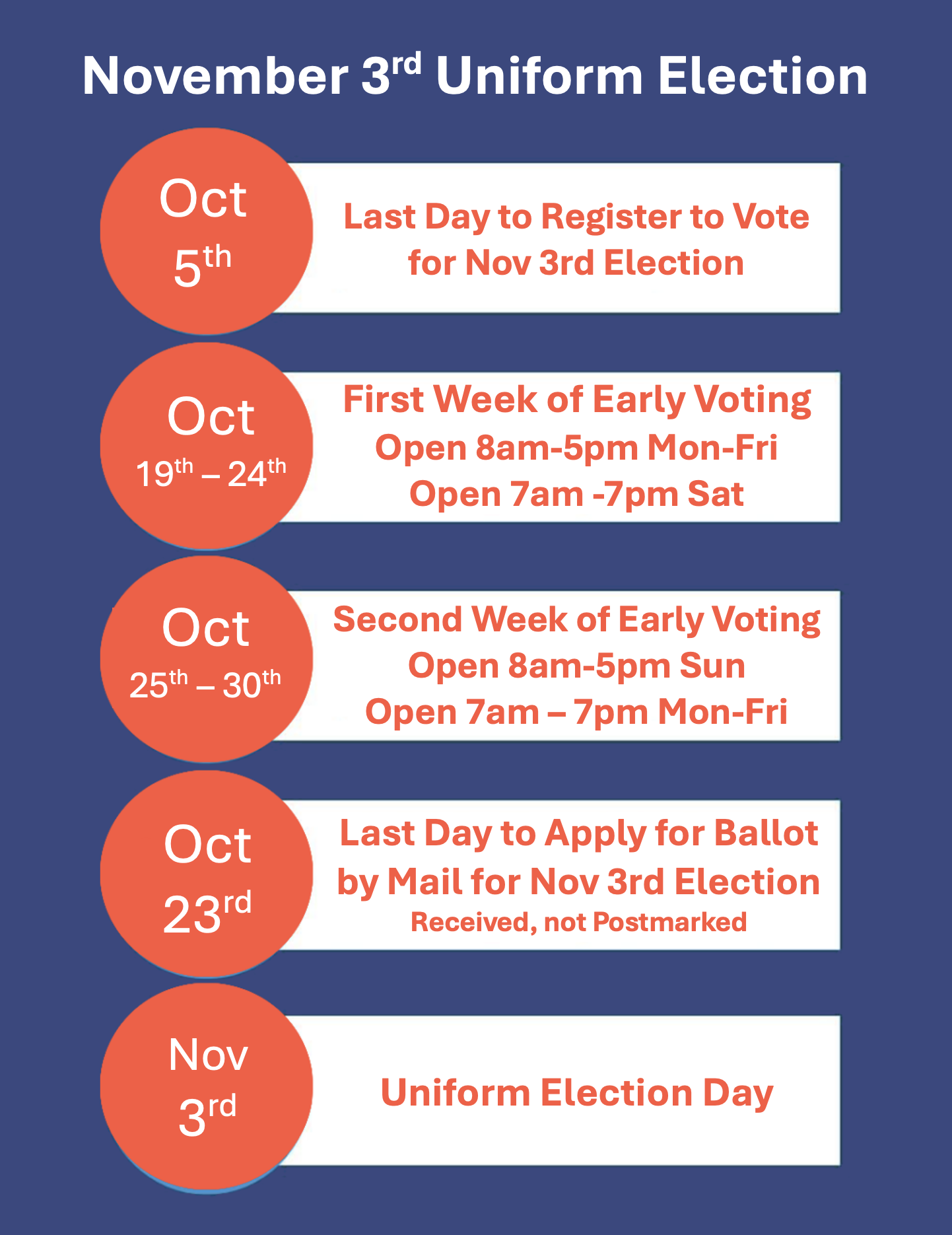
Participating in the election process requires more than just showing up on November 3, 2026. There are several critical steps and deadlines that voters must observe to ensure their voices are heard. Planning ahead and staying informed about these requirements is paramount for a smooth voting experience.
| Important Election Action | General Timeline (Varies by State) | Impact on Voting |
|---|---|---|
| Voter Registration Deadline | Typically 30 days before Election Day | Mandatory for voting in most states |
| Absentee Ballot Request Deadline | Usually 1-2 weeks before Election Day | Necessary for voting by mail |
| Early In-Person Voting Period | Can be weeks leading up to Election Day | Provides alternative to Election Day voting |
| Returning Absentee Ballots | Must be received by Election Day (some states earlier) | Ensures your mail-in vote is counted |
Voter Registration: Your First Step
The most fundamental step to ensure you can vote on November 3, 2026, is to be properly registered. Registration deadlines vary significantly by state, with many requiring you to register at least 30 days before the election. Some states offer same-day voter registration, but it’s always safest to register early.
You can typically check your voter registration status online through your state’s election website or a non-partisan voter information portal. If you’ve moved, changed your name, or haven’t voted in a while, it’s wise to re-register or update your information. Don’t wait until the last minute!
Absentee Voting and Early Voting Options
For those who cannot make it to the polls on Election Day in November 2026, or simply prefer other methods, many states offer absentee voting and early in-person voting. Absentee ballots allow you to mail in your vote, often requiring a valid reason depending on your state’s laws (though many states now offer no-excuse absentee voting).
Early in-person voting allows you to cast your ballot at designated locations before Election Day. These options increase accessibility and can help reduce crowding at polling places. Familiarize yourself with your state’s specific rules and deadlines for these alternative voting methods well in advance.
Voter ID Laws: What You Need to Know
Voter ID laws vary considerably from state to state. Some states require a photo ID, others accept non-photo IDs, and some may not require any ID at all, relying instead on signature verification. It’s crucial to know your state’s specific requirements to avoid any issues at the polling place.
Official state election websites are the best source for accurate information on voter ID laws. If you anticipate needing an ID, make arrangements to obtain one well before November 3, 2026. Don’t let a simple ID requirement prevent you from exercising your right to vote.
The Importance of Your Vote
Every election, regardless of whether it’s presidential or a midterm, carries immense weight. The collective decisions made on Election Day in November 2026 will have far-reaching consequences, influencing everything from economic policies to social programs. Your vote is your voice, and it holds the power to enact change.
Shaping Policy and Representation
The individuals elected to office are responsible for creating, debating, and passing laws that affect every aspect of our lives. From federal budgets and environmental regulations to education funding and healthcare access, elected officials make decisions that impact millions. Your vote helps determine who holds these powerful positions and, consequently, which policies are pursued.
Furthermore, voting ensures that your community and its unique needs are represented in government. High voter turnout can signal to elected officials that citizens are engaged and hold them accountable, fostering a more responsive and representative government. Every single ballot cast on November 3, 2026, contributes to this vital representation.
Historical Context of Midterm Elections
Historically, midterm elections often see lower voter turnout compared to presidential election years. However, their impact is no less significant. They frequently result in shifts of power, often with the party not holding the presidency gaining seats. These shifts can create a checks and balance system, or, conversely, can lead to legislative gridlock.
Understanding this historical trend underscores the critical nature of these elections. Your participation can defy these trends and ensure that the government truly reflects the will of the people, not just a vocal minority. The midterm elections in 2026 provide a fresh opportunity to shape the national dialogue.
The Power of Local Elections
While federal elections dominate headlines, local elections often have the most direct and immediate impact on your daily life. School board members decide on curriculum and school funding; city council members approve budgets for roads, parks, and public safety; and mayors lead local initiatives that shape community development. These are the people making decisions about your neighborhood.
Voter turnout for local elections is typically the lowest, meaning your single vote can have an even greater proportional impact. Engaging in these races on November 3, 2026, is a powerful way to ensure your local government truly serves the interests of its residents.
Election Day Logistics: What to Expect
Knowing the mechanics of Election Day can alleviate stress and make the voting process smoother. From finding your polling place to understanding the types of voting machines, being prepared for November 3, 2026, helps ensure a positive experience.

Finding Your Polling Place
Your polling place is the specific location where you are assigned to vote based on your residential address. It could be a school, a community center, a church, or another public building. Your voter registration card often lists your polling place, or you can easily find this information online.
State and local election websites usually have a dedicated ‘polling place finder’ tool where you simply enter your address. It’s advisable to locate your polling place a few days before Election Day in November 2026 to avoid any last-minute confusion. Confirming the hours of operation for your polling site is also a smart move.
What to Bring on Election Day
As mentioned with voter ID laws, what you need to bring to the polls varies by state. Generally, it’s a good idea to bring a valid form of identification, even if your state doesn’t strictly require it, just in case. Your voter registration card can also be helpful, though it’s often not mandatory.
Beyond identification, bringing a sample ballot, which often gets mailed to registered voters, can speed up the process. This allows you to mark your choices beforehand and quickly cast your vote. Having a list of your preferred candidates and ballot initiatives can also be very useful on November 3, 2026.
Common Voting Machine Types
The type of voting machine you encounter on Election Day in November 2026 will depend on your state and county. Common types include optical scan machines, where you fill in a bubble on a paper ballot that is then scanned; and direct-recording electronic (DRE) machines, which are touch-screen devices. Many jurisdictions also use ballot marking devices (BMDs) for accessibility, which assist voters in marking a paper ballot.
Poll workers are always available to provide assistance and guidance on how to use the machines. Don’t hesitate to ask questions if you’re unsure. The goal is to ensure every vote is cast accurately and securely. Familiarizing yourself with the general operation of these machines beforehand can ease any anxieties.
Navigating Election Information and Combating Misinformation
In the digital age, information, and unfortunately, misinformation, spread rapidly. It’s more important than ever to be discerning about your sources of election information, especially leading up to Election Day in November 2026. Being well-informed means relying on credible sources and being able to identify false narratives.
Reliable Sources for Election Information
When seeking information about candidates, ballot measures, or election procedures, always prioritize official and non-partisan sources. Your state’s official election website is the ultimate authority for registration, polling places, and local election details. The Federal Election Commission (FEC) also provides federal election finance data and guidelines.
Reputable non-partisan organizations like Vote.org, the League of Women Voters, and Ballotpedia offer comprehensive and unbiased information on candidates, issues, and voting procedures. Major news organizations with a strong track record for accuracy, such as The Associated Press, Reuters, or well-established national newspapers, are also reliable for broader election coverage. Always verify information from multiple trusted sources before making decisions.
Identifying and Reporting Misinformation
Misinformation and disinformation campaigns are designed to confuse voters and influence outcomes. Be wary of sensational headlines, unverified claims, and content shared from unknown or biased sources on social media. Look for evidence, check facts, and consider the source’s agenda. If something seems too outlandish to be true, it likely is.
If you encounter what you believe to be misinformation related to elections, consider reporting it to the platform where it was found. Your vigilance helps maintain the integrity of the electoral process and ensures a more informed electorate leading up to November 3, 2026.
Beyond the Ballot Box: Post-Election Civic Engagement
While Election Day in November 2026 is a crucial moment, civic engagement doesn’t end when the polls close. Staying involved between elections is just as vital for a healthy democracy and ensures that the voices of citizens continue to be heard and considered by elected officials. Your commitment extends beyond simply casting a ballot.
Staying Informed Between Elections
To truly hold elected officials accountable, it’s essential to stay informed about their actions and decisions once they are in office. Follow local news, attend public meetings, and review official government websites to understand the policies being debated and implemented. Knowing what your representatives are doing allows you to provide feedback and advocate for issues important to you and your community.
Subscribing to newsletters from non-partisan civic groups or even your representatives’ offices can help keep you abreast of legislative developments. Informed citizens are powerful citizens, and continuous learning is a cornerstone of a robust democracy. Staying engaged ensures the impact of your vote on November 3, 2026, continues to resonate.
Supporting Democratic Institutions
A strong democracy relies on robust institutions, from fair elections to a free press and an independent judiciary. Supporting organizations that work to protect voting rights, promote civic education, and ensure government transparency helps fortify these foundational pillars. This can involve volunteering, donating, or simply advocating for their work.
Participating in local civic groups, advocating for causes you believe in, and encouraging others to engage politically are all ways to contribute to a vibrant and functioning democracy. Every small action helps to build a stronger, more resilient system for future generations. The health of our democracy depends on sustained engagement, not just on Election Day in November 2026.
As we approach November 3, 2026, the next federal Election Day, the call to civic duty rings clear. This midterm election presents a significant opportunity for every eligible citizen to shape the legislative landscape at federal, state, and local levels. By understanding the election schedule, familiarizing yourself with voter requirements, and making an informed decision, you play a direct role in the trajectory of our democracy. Your active participation is not just a right but a profound responsibility, ensuring that the government truly reflects the will and values of the people it serves. Let’s make sure our voices are heard loud and clear on Election Day in November 2026.
Frequently Asked Questions
When precisely is Election Day in November 2026?
Election Day in November 2026 will be held on Tuesday, November 3, 2026. This date is determined by federal law, which mandates that general elections for federal offices occur on ‘the Tuesday next after the first Monday in November’.
What types of elections will be held on November 3, 2026?
The November 2026 election is a federal midterm election. This means all 435 seats in the U.S. House of Representatives will be contested, along with approximately one-third of the U.S. Senate seats. Many states will also hold gubernatorial (governor) elections, state legislative races, local elections (e.g., mayoral, city council, school board), and potentially ballot initiatives or referendums.
What are the key steps I need to take to vote in 2026?
To vote in 2026, you generally need to register to vote by your state’s deadline (often 30 days before the election), know your state’s voter ID requirements, and locate your assigned polling place. You should also consider options like absentee or early in-person voting if available in your state. Always check your state’s official election website for specific deadlines and requirements.
Why are midterm elections like November 2026 important, even without a presidential race?
Midterm elections are critically important because they determine the balance of power in Congress, directly influencing legislative priorities and the ability to pass or block laws. They also impact state and local governments, affecting everyday issues like education, infrastructure, and public safety. Voter participation in midterms shapes policy and ensures local and national representation.