Ah, the festive anticipation! Every year, people across the globe eagerly await the vibrant celebrations of St. Patrick’s Day. If you’re wondering, “When Is St Patricks Day In 2026?” mark your calendars! It falls on Tuesday, March 17th, 2026. This cherished annual Irish holiday is a day filled with parades, music, laughter, and a sea of green, bringing communities together to honor Irish heritage and the legacy of its patron saint.
Understanding the Date: March 17th, Annually
The beauty of St. Patrick’s Day lies in its steadfastness on the calendar. Unlike some holidays that shift, St. Patrick’s Day always occurs on March 17th. This particular date commemorates the traditional death date of Saint Patrick, Ireland’s foremost patron saint, who is believed to have died on March 17, 461 AD.
For St. Patrick’s Day 2026, this means the festivities will unfold on a Tuesday. While this might affect some travel plans or school schedules compared to a weekend celebration, it doesn’t diminish the spirit of the day. Many celebrations often begin the weekend before or extend into the following days, ensuring everyone has a chance to participate in the global celebration.
The consistency of the observance date makes it easy to plan. Whether you’re in Dublin, New York, or somewhere in between, you know exactly when to don your green attire and prepare for the joyous occasion. It’s a day deeply rooted in history, yet vibrantly alive in modern culture.
A Glimpse into the History of St. Patrick’s Day
Who Was Saint Patrick? The Man Behind the Legend
The story of St. Patrick is a remarkable tale of resilience, faith, and transformation. Born Maewyn Succat in Roman Britain in the late 4th century, he was kidnapped by Irish raiders at the age of 16 and brought to Ireland as a slave. During his six years of captivity, he turned to God, finding solace and strength in prayer. His deep spiritual journey began during these challenging times, shaping the future Irish patron saint.
After escaping and returning to Britain, he felt a divine calling to return to Ireland as a missionary. He studied for the priesthood, took the name Patrick, and was eventually ordained a bishop. He returned to Ireland in the mid-5th century, embarking on a mission to spread Christianity across the island.
From Religious Feast to Cultural Celebration
Initially, St. Patrick’s Day was a solemn, religious feast day established by the Catholic Church. It became an official feast day in the early 17th century thanks to Luke Wadding, an Irish Franciscan friar. For centuries, it was primarily observed as a day of prayer and spiritual reflection in Ireland.
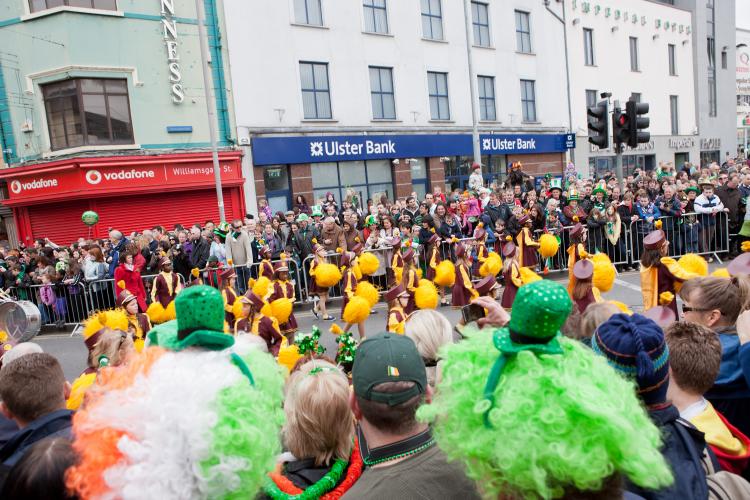
However, the character of the day began to change significantly, largely due to Irish immigrants, particularly in North America. Away from their homeland, they transformed St. Patrick’s Day into a celebration of their heritage, a vibrant display of national pride, and a way to maintain connections to their roots. These early parades and festivities laid the groundwork for the global celebration we know today.
The very first St. Patrick’s Day parade wasn’t even in Ireland; it’s debated between Boston (1737) and New York City (1762). These parades helped establish the cultural significance of the day beyond its religious origins, cementing its place as an annual Irish holiday celebrated with zest and enthusiasm.
The Global Phenomenon: How St. Patrick’s Day is Celebrated Worldwide
What started as a religious feast day has evolved into one of the world’s most widely celebrated holidays, cherished by millions of people of Irish descent and admirers of Irish culture alike. The spirit of celebrating St. Patrick transcends geographical boundaries, making it a truly international event. From iconic landmarks turning green to lively street parades and festivities, the world embraces Irish joy.
Iconic Parades and Green Rivers
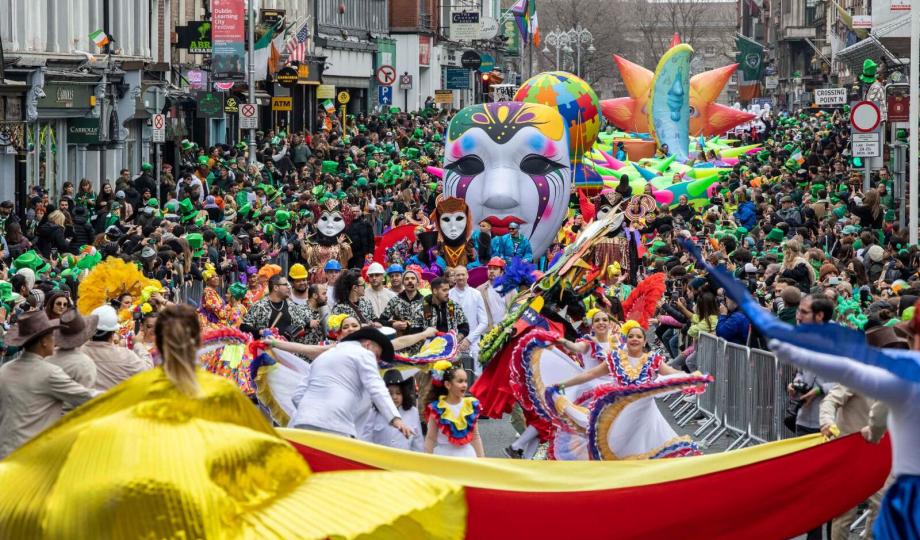
The most famous celebrations are often marked by spectacular parades. New York City boasts one of the oldest and largest, drawing millions of spectators. Chicago famously dyes its river a brilliant emerald green, a breathtaking sight that captures the imagination. Dublin, the heart of Ireland, hosts its own magnificent parade, a proud display of national identity and cultural richness. These events are focal points for worldwide traditions.
Beyond these major cities, countless towns and cities across continents organize their own smaller, yet equally spirited, processions. Participants proudly display banners, play traditional Irish music, and showcase Irish dance. It’s a time for community, connection, and a shared sense of joy.
Wearing Green: A Symbol of Identity
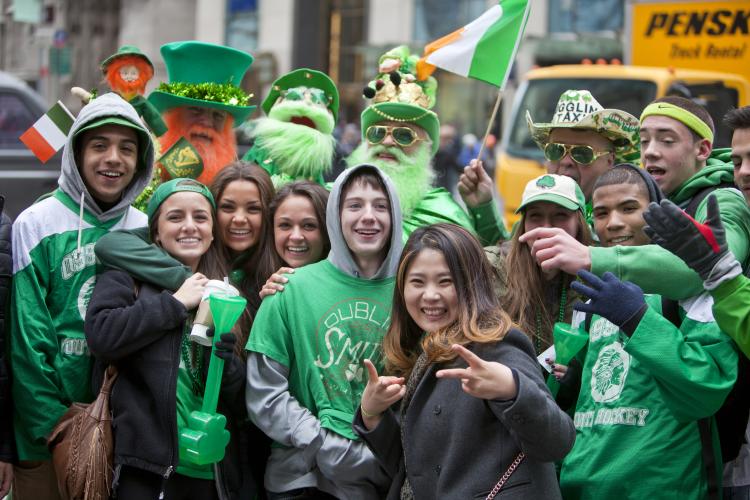
The most recognizable custom is undoubtedly wearing green. This tradition is deeply rooted in Irish folklore and history. Green is the color associated with Ireland’s lush landscapes, known as the “Emerald Isle.” It’s also linked to the shamrock, said to have been used by St. Patrick to explain the Holy Trinity. Children and adults alike participate, often playfully pinching those who forget to wear the lucky color.
This simple act of donning green clothing or accessories becomes a powerful, collective statement. It signifies unity, a connection to Irish heritage, and participation in the day’s festive spirit. Even landmarks worldwide light up in green, further amplifying this vibrant symbol of celebration.
Traditional Food, Drink, Music, and Dance
No Irish celebration would be complete without its beloved culinary delights and spirited entertainment. Traditional dishes like corned beef and cabbage, shepherd’s pie, and soda bread take center stage in many households and pubs. Of course, a pint of stout is often enjoyed responsibly by adults. These dishes are integral to traditional Irish customs.
Music is the soul of Ireland, and St. Patrick’s Day provides the perfect backdrop for traditional Irish music sessions. Fiddles, flutes, bodhráns, and uilleann pipes fill the air with jigs and reels, inspiring spontaneous dancing. Irish step dancing, with its intricate footwork and graceful movements, is also a highlight, performed in pubs, community centers, and on parade routes around the world.
| City/Region | Unique Celebration Highlight | Estimated Attendance/Reach |
|---|---|---|
| Dublin, Ireland | Grand National Parade, St. Patrick’s Festival (multi-day) | ~500,000 parade spectators, global TV audience |
| New York City, USA | America’s oldest and largest civilian parade (no vehicles) | ~2 million parade spectators |
| Chicago, USA | Dyeing the Chicago River green | ~400,000 riverside spectators |
| Montserrat, Caribbean | The only country outside of Ireland where it’s a public holiday (due to Irish ancestry) | Island-wide festivities |
| Sydney, Australia | Major city parade and festival, often a weekend event | Tens of thousands |
St. Patrick’s Day 2026: What to Expect and How to Plan
Since March 17th, 2026 falls on a Tuesday, some aspects of planning your celebrations might differ slightly compared to a weekend observance. Many workplaces and schools might not observe it as a full holiday, except in places like the Republic of Ireland, where it is a public holiday in Ireland. However, this simply means more creative scheduling for those eager to participate.
Anticipated Events and Activities
- Weekend Pre-Celebrations: Expect many communities, pubs, and cultural centers to host their main events, such as parades and concerts, on the preceding weekend (March 14-15, 2026). This allows for maximum participation without impacting work or school schedules.
- Mid-Week Festivities: On the actual Tuesday, March 17th, pubs will likely be bustling in the evening. Restaurants will feature special Irish menus. Smaller, more intimate gatherings will occur, perfect for families and friends.
- Cultural Showcases: Libraries, museums, and community groups might host educational events, storytelling sessions, or Irish dance workshops throughout the week leading up to the day. These are wonderful ways to explore the historical origins and cultural significance of the holiday.
Keep an eye on local event listings as St. Patrick’s Day 2026 approaches. Organizers usually announce their plans several months in advance. This foresight allows you to make travel arrangements or book reservations if you’re planning to attend a larger event.
The Rich Tapestry of Irish Traditions
Beyond the parades and green beer, St. Patrick’s Day is steeped in fascinating Irish traditions and folklore. Understanding these elements adds depth to the celebration and connects us to the heart of Ireland’s heritage. These are the elements that give the holiday its enduring charm and mystery.
The Symbolism of the Shamrock
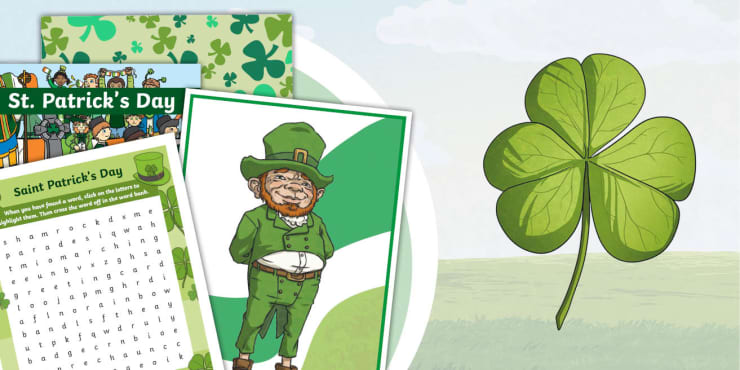
The shamrock, a three-leaf clover, is arguably the most recognizable symbol of Ireland and St. Patrick’s Day. Legend has it that St. Patrick himself used the shamrock to explain the concept of the Holy Trinity (God the Father, God the Son, and God the Holy Spirit) to the pagan Irish. Each leaf represented one aspect, while the whole represented one God. This simple yet profound analogy made Christian concepts accessible.
Today, the shamrock is worn with pride, a powerful emblem of faith, Irish identity, and good luck. Its prevalence during St. Patrick’s Day 2026 will be undeniable, adorning everything from clothing to decorations.
Leprechauns and Irish Folklore
While not directly associated with St. Patrick himself, leprechauns have become synonymous with Irish folklore and, by extension, St. Patrick’s Day. These mischievous, diminutive fairies are said to be shoemakers who hide their pot of gold at the end of a rainbow. Catching a leprechaun supposedly grants you three wishes, though they are notoriously cunning and hard to outsmart.
The playful imagery of shamrocks and leprechauns adds a whimsical element to the holiday, especially for children. It’s a fun way to engage with the broader spectrum of Irish mythology that has captured imaginations for centuries.
The Significance of the Color Green
As mentioned, green is the color most associated with Ireland. Historically, blue was actually the color linked to St. Patrick. However, over time, green became the dominant shade. This shift happened for several reasons: Ireland’s verdant landscape, its association with the shamrock, and its connection to Irish nationalism during the 18th and 19th centuries when green symbolized rebellion against British rule.
Today, wearing green is a joyous expression of solidarity and celebration. It’s a vibrant hue that represents life, growth, and the enduring spirit of the Irish people. You’ll see it everywhere as we observe March 17th, 2026.
Beyond the Festivities: The Deeper Cultural Significance
While the parades and parties are delightful, St. Patrick’s Day holds a much deeper cultural significance for many. It’s a day that goes beyond mere revelry, serving as a powerful reminder of heritage, identity, and resilience. For the Irish diaspora around the world, it is a particularly poignant day.
Celebrating Irish Heritage and Diaspora
With millions of people of Irish descent spread across the globe—especially in countries like the United States, Canada, Australia, and the United Kingdom—St. Patrick’s Day acts as a crucial link to their ancestral homeland. It’s a day to remember the journeys of their ancestors, many of whom emigrated during times of hardship, carrying their traditions and hopes with them.
This global celebration allows descendants to connect with a shared past, to learn about their roots, and to proudly display their heritage. It reinforces a sense of belonging and community among those who might be thousands of miles from Ireland’s shores.
A Connection to Identity
For many, St. Patrick’s Day is about more than just being Irish; it’s about celebrating a universal spirit of warmth, generosity, and resilience. It represents the triumph of hope over adversity and the enduring power of cultural identity. The holiday has become a symbol of what it means to be Irish, both within Ireland and as part of the worldwide community.
Even those without direct Irish ancestry often feel a connection to this vibrant culture on March 17th. It’s an invitation to embrace the festive spirit, learn a jig, or simply appreciate the rich contributions of Irish people to global culture.
Religious Roots vs. Secular Celebrations
It’s fascinating to observe the evolution of St. Patrick’s Day from a strictly Catholic feast day to a broadly secular annual Irish holiday. While its religious origins are undeniable and still honored by many, especially in Ireland itself, the day has largely transformed into a celebration of Irish culture in general.
This duality allows for diverse forms of participation. Whether you attend Mass, join a parade, or simply enjoy some traditional music, the spirit of celebrating St. Patrick allows for personal interpretation. This blend of sacred and secular traditions is part of what makes the holiday so unique and universally appealing.
Planning Your St. Patrick’s Day 2026 Celebrations
With St. Patrick’s Day 2026 falling on a Tuesday, you have plenty of options for how you might want to observe the day. Here are a few ideas to get you started on planning your celebrations.
At-Home Celebration Ideas
- Feast with Friends and Family: Prepare traditional Irish dishes like corned beef and cabbage, Irish stew, or shepherd’s pie. Bake some soda bread.
- Irish Music Marathon: Create a playlist of traditional and contemporary Irish artists. Put on some céilí music and try a few simple Irish dance steps.
- Decorate with Green: Adorn your home with green streamers, shamrocks, and maybe a leprechaun or two. It immediately sets a festive mood.
- Movie Night: Watch a classic Irish film or a movie set in Ireland to immerse yourselves in the culture.
Community Events and Local Festivities
Many local pubs, restaurants, and cultural centers will host special events. Look for announcements about:
- Irish themed menus and drink specials.
- Live traditional music sessions (trad sessions).
- Local parades or smaller gatherings, often held on the weekend before.
- Family-friendly activities and storytelling sessions at libraries or community centers.
Don’t forget to check municipal websites or local tourism boards for comprehensive lists of events happening near you. These resources are invaluable for finding out what’s planned for March 17th, 2026 and the surrounding days.
Travel Considerations for 2026
If you’re dreaming of a trip to Ireland for St. Patrick’s Day 2026, be sure to plan well in advance. Flights and accommodation, especially in Dublin, book up quickly and can be more expensive around this time. The St. Patrick’s Festival in Dublin is a multi-day event culminating in the main parade on March 17th. Experiencing it firsthand is truly unforgettable, offering a deep dive into the traditional Irish customs and heartfelt celebrations.
Even if traveling to Ireland isn’t on the cards, many cities with large Irish populations, such as Boston, Chicago, or Savannah, Georgia, offer incredible experiences. Researching these destinations early can help you secure the best travel options for a memorable celebration.
The Enduring Legacy of St. Patrick
The story of St. Patrick’s legacy is one of profound impact. He arrived in a pagan land and, through unwavering faith and dedication, helped to transform it. His efforts laid the foundation for Christianity in Ireland, making it a center of learning and spirituality for centuries. The monasteries he inspired preserved knowledge during Europe’s Dark Ages, influencing Western civilization profoundly.
But his legacy extends beyond religious conversion. He became a symbol of Irish identity, a figure around whom a nation’s story could coalesce. His life, from captive to spiritual leader, embodies themes of hope, redemption, and the power of conviction. This deep cultural significance continues to resonate, shaping the way we observe his day.
Today, celebrating St. Patrick is a nod to that enduring spirit. It’s a chance to reflect on the historical journey of a people and the universal values of faith, heritage, and community that the holiday represents. The world lights up in green, not just for a saint, but for the vibrant culture he inspired.
So there you have it! When Is St Patricks Day In 2026? It’s on Tuesday, March 17th, 2026. This date invites us all to connect with a rich history, vibrant traditions, and a truly global spirit of camaraderie. Whether you’re planning a grand trip or a cozy gathering at home, the essence of the day remains the same: a joyful tribute to Irish culture and the remarkable St. Patrick’s legacy. Get ready to wear your green, raise a glass, and perhaps even learn a jig or two. Sláinte!
Frequently Asked Questions
When exactly is St. Patrick’s Day in 2026?
St. Patrick’s Day in 2026 falls on Tuesday, March 17th. It consistently occurs on March 17th each year, commemorating the traditional death date of Saint Patrick.
Is St. Patrick’s Day 2026 a public holiday in Ireland?
Yes, St. Patrick’s Day is a public holiday in the Republic of Ireland. While it falls on a Tuesday in 2026, official closures for banks, schools, and many businesses will be observed.
What are some common traditions for celebrating St. Patrick’s Day?
Common traditions include attending parades, wearing green clothing, decorating with shamrocks, enjoying traditional Irish food and drink (like corned beef and cabbage), and listening to or performing Irish music and dance. Many celebrate the rich Irish culture and heritage.
Why is green the color associated with St. Patrick’s Day?
While blue was initially associated with St. Patrick, green became prominent due to Ireland’s lush landscape (‘Emerald Isle’), the symbolism of the shamrock (which St. Patrick used to explain the Trinity), and its connection to Irish nationalism during the 18th and 19th centuries.